








Schedule a Call Back


West Asia Crisis Reshapes Risks for Indian Sectors
 Articles
- Jun 01,26
Primus Partners says the West Asia crisis is reshaping Indian sectoral risks across trade, capital flows, supply chains, logistics and exports.
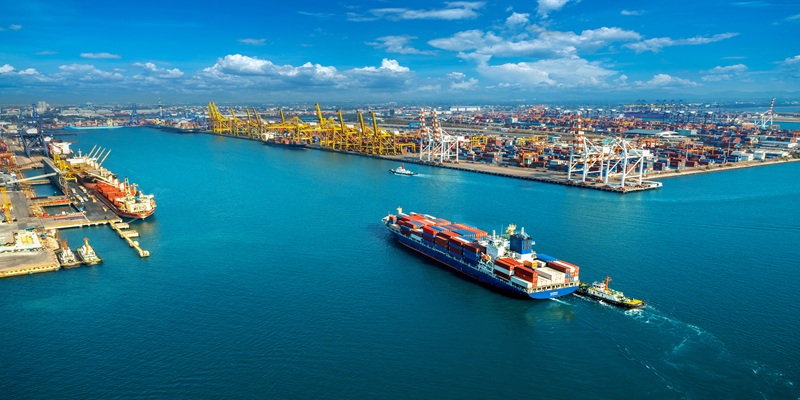
The report notes that the crisis extends beyond rising crude
oil prices and short-term market volatility. It is reshaping global trade
routes, capital flows, supply chains, logistics networks and investment
behaviour, while exposing long-standing vulnerabilities linked to energy
dependence, import concentration and export exposure.
India’s agriculture sector has emerged as one of the most
immediately affected areas. Disruptions are impacting Basmati rice exports,
fruit trade, fertiliser availability and farm-level cash cycles. Export-linked
crops such as mangoes, bananas and Basmati rice are facing shipment delays,
payment uncertainties and weakening buyer confidence across Gulf markets, while
rising urea prices are adding pressure on farmers ahead of the kharif season.
The investments ecosystem is also seeing a broader repricing
of risk. Rising crude prices, widening sovereign spreads, shipping disruptions
and currency volatility are increasing the cost of capital and delaying
investment decisions globally. However, amid geopolitical uncertainty, India is
increasingly being viewed as a relatively stable and credible destination for
global capital, particularly across manufacturing, infrastructure and
technology.
The automotive sector is facing intensified supply chain
disruptions, longer shipping timelines, higher logistics costs and renewed
pressure on fuel, gas, semiconductor and polymer availability. These
developments are expected to accelerate India’s transition towards electric
mobility, alternative fuels and domestic sourcing strategies, while underlining
the need for stronger industry coordination and supply chain resilience.
India’s textile industry, one of the country’s largest
employment generators, is under stress due to delayed shipments, rising
polyester and logistics costs, longer payment cycles and export uncertainties
in Gulf-linked markets. While the industry has shown resilience through
multiple economic disruptions in recent years, the current crisis reinforces
the need for market diversification, improved liquidity support and stronger
raw material security.
The pharmaceutical sector remains among the most globally sensitive
areas affected by the crisis. With India supplying a significant share of
global generic medicines and vaccines, prolonged maritime disruptions and
supply chain bottlenecks could have implications beyond trade, affecting
healthcare access in several developing regions dependent on Indian
pharmaceutical exports.
Primus Partners noted that the evolving geopolitical
environment is also creating a strategic opening for India to position itself
as a more resilient, reliable and long-term global economic partner. The report
concludes that resilience must become a deliberate economic strategy, driven by
stronger supply chains, diversified energy sources, logistics preparedness and
policy predictability to help India navigate future global shocks more effectively.
West Asia crisis
Indian sectors
Primus Partners
supply chain disruption
Indian agriculture
automotive sector
textile industry
pharmaceuticals
Related Stories
Policy Regulation
West Asia Crisis Reshapes Risks for Indian Sectors
Primus Partners says the West Asia crisis is reshaping Indian sectoral risks across trade, capital flows, supply chains, logistics and exports.
Read morePolicy Regulation

West Asia war is impacting India's engineering exports: Pankaj Chadha
While India’s engineering goods exports are expected to grow by 5 per cent in FY26 over previous year, the West Asia conflict has significantly impacted outbound shipments, says Pankaj Chadha, Cha..
Read moreIndustrial Safety & Security

From Cost Efficiency to Survival
Surging crude-linked resin prices, shortages and longer lead times are forcing India’s packaging sector to shift from cost efficiency to resilience, scale and strategic sourcing, writes Thimmaiah ..
Read moreRelated Products
latest News
Subscribe to iNoW

For Industry News on WhatsApp, Give a Miss Call on: +91 84228 74016