




Schedule a Call Back


The Stainless Steel Renaissance: Forging India’s Sustainable Industrial Legacy
 Articles
- May 08,26
Stainless steel is emerging as a strategic material powering India’s durable, sustainable and globally competitive manufacturing ecosystem under the Make in India vision, with insights from Rajamani Krishnamurti, President, Indian Stainless Steel Development Association (ISSDA).
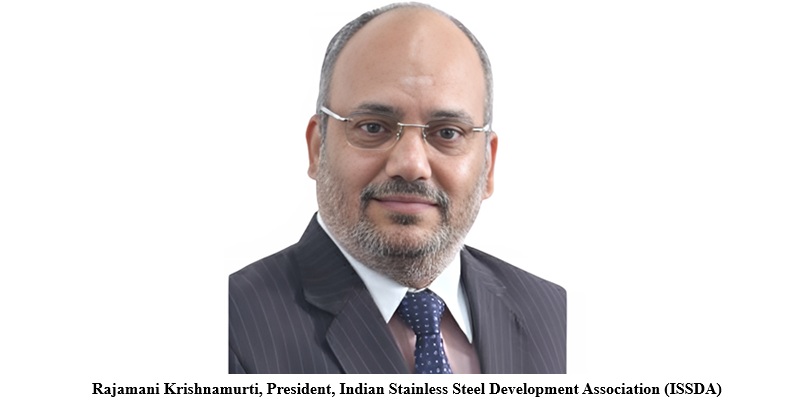
The true strength of a nation’s manufacturing ambition is rarely found in the rhetoric of its policy documents; it is found in the physical integrity of its materials. As India pursues the ‘Make in India’ vision with unprecedented vigour, we are witnessing a fundamental shift in our industrial DNA. At the heart of this transformation lies a material that is as resilient as the Indian spirit itself: Stainless Steel.
Once seen primarily as a kitchenware material, stainless steel has emerged as a strategic cornerstone for a modern, ‘green’ India. It is the silent, silver facilitator of our transition toward an infrastructure that is not just built to exist, but built to endure.
A paradigm shift in structural durability
India has rapidly ascended to become a global titan in both the production and consumption of stainless steel, currently ranking among the largest players in the world. This growth is not an accidental byproduct of a rising GDP; it is the result of a decade-long metamorphosis involving massive investments in metallurgical precision and the uncompromising adoption of international quality standards.
The versatility of this metal is its greatest virtue. In our burgeoning metro networks, sprawling airports, and ‘Smart Cities,’ stainless steel provides a unique combination of structural integrity and aesthetic longevity that traditional carbon steels or aluminium simply cannot match. By choosing a material defined by its inherent corrosion resistance and lifecycle efficiency, we are making a profound economic statement. We are moving away from the "repair-and-replace" culture of the past, which drains the national exchequer through hidden maintenance costs, and moving toward a "build-once-and-benefit-forever" philosophy.
The lifeline of Indian mobility: A case for railways
The Indian Railways, the literal moving spirit of our nation, has become a primary theatre for this material revolution. The transition to stainless steel coaches, wagons, and station infrastructure is a masterstroke in long-term fiscal and environmental planning.
In the humid and corrosive environments of our coastal stretches, traditional materials fail prematurely. Stainless steel, however, thrives. These coaches offer superior crashworthiness, fire resistance, and a drastically reduced maintenance burden, ensuring that our national carrier remains efficient and safe for decades. When we look at the iconic Vande Bharat trains or the modern station redevelopments, we aren't just looking at speed; we are looking at the silver gleam of a material that refuses to succumb to time.
An inclusive industrial ecosystem
The rise of the stainless steel sector has birthed a robust and intricate industrial tapestry. Beyond the large-scale integrated producers, an entire ecosystem of metal processors, component manufacturers, fabricators, and engineering MSMEs has flourished. This value chain supports hundreds of thousands of high-value jobs, from the metallurgical engineer monitoring a furnace to the industrial designer in a small-scale fabrication unit.
In every sense, stainless steel is fuelling an inclusive industrial growth. It empowers the grassroots of Indian enterprise, allowing small businesses to participate in global supply chains by mastering the specialised welding and finishing techniques required for high-grade stainless steel. This is where the ‘Make in India’ movement finds its true pulse—in the workshops of suburban India where stainless steel is transformed into medical equipment, food processing machinery, and automotive components.
The ethical frontier: The battle against substandard materials
However, every great leap forward faces its hurdles. A significant challenge currently haunting the industry is the proliferation of counterfeit or substandard "200-series" materials that do not meet the requisite safety and quality benchmarks for structural use.
The use of inferior metal in critical sectors like construction or transportation is more than just a quality issue; it is a grave safety risk and an ethical failure that undermines our global credibility. Substandard steel might look identical on the day of installation, but its premature failure through ‘pitting’ or structural fatigue can have catastrophic consequences.
As the Indian Stainless Steel Development Association (ISSDA), our mission is clear: we must act as the uncompromising guardians of quality. Through rigorous advocacy, stakeholder education, and collaboration with regulatory bodies like the Bureau of Indian Standards (BIS), we are ensuring that transparency and certification become the non-negotiable standards of the Indian market. We owe it to the consumer and the taxpayer to ensure that the materials used in our public infrastructure are as advertised.
The circular economy: A heart-touching commitment to the earth
Perhaps the most profound aspect of stainless steel is its relationship with our planet. In an era where ‘sustainability’ is often used as a hollow marketing buzzword, stainless steel delivers tangible, measurable results. It is a 100 per cent recyclable material that can be reborn indefinitely without losing its "soul", its fundamental strength and corrosion-resistant properties.
Unlike many other materials that degrade in quality through the recycling process, stainless steel follows a truly circular path. Roughly 95 per cent to 98 per cent of stainless steel is collected at the end of its life and recycled into new products. This minimises the need for virgin ore mining, reduces energy consumption, and significantly lowers the carbon footprint of our industrial processes.
The industry is not resting on its laurels. We are investing in energy-efficient electric arc furnaces, exploring green hydrogen for metallurgical processes, and optimising scrap collection networks. We are proving that heavy industry does not have to be a burden on the earth; it can be the solution. We are building a Circular Economy that respects our natural heritage while driving our economic future.

The global ambition: From domestic strength to international leadership
India stands at a historic crossroads. As global industries seek to diversify their supply chains and find reliable partners for "China-plus-one" strategies, India’s stainless steel sector is perfectly positioned to fill the void.
We possess a unique trifecta of advantages: a skilled workforce, a massive and growing domestic market, and a rapidly expanding technological base. By combining innovation with our natural manufacturing excellence, India can emerge as a trusted global hub for high-quality engineered solutions. We are no longer just exporters of raw materials; we are becoming exporters of high-value, sophisticated stainless steel products, from precision medical instruments to complex industrial heat exchangers.
The path forward: A call to collaboration
The continued growth and credibility of our sector depend on four key priorities:
- Stringent quality enforcement: We must eliminate the circulation of counterfeit materials through strict market surveillance and public awareness.
- Technological innovation: We must encourage R&D in advanced grades of stainless steel, such as Duplex and Super-Austenitic steels, which are essential for the energy and desalination sectors.
- MSME empowerment: We must provide our smaller fabricators with the training and credit access they need to scale up their operations and meet global quality standards.
- Policy alignment: We must continue to work with the government to ensure that procurement policies prioritise ‘Life-Cycle Costing’ over ‘Lowest Initial Bid.’ When we account for the 50-year lifespan of a bridge or a building, stainless steel invariably emerges as the most economical choice.
Conclusion: Untarnished ambition
As India accelerates its journey toward becoming a $5 trillion economy and a global manufacturing powerhouse, stainless steel will remain the foundational material supporting that ascent.
The ‘Make in India’ movement has already demonstrated the power of domestic self-reliance. If we remain steadfast in our commitment to quality, sustainability, and innovation, the Indian stainless steel sector will not just support our national goals, it will become the global gold standard.
Let us forge a future that is as untarnished, as resilient, and as enduring as the stainless steel we produce. We aren't just manufacturing metal; we are manufacturing the very framework of a New India.
About the Author:
Rajamani Krishnamurti is the President of the Indian Stainless Steel Development Association (ISSDA). He is a leading advocate for industrial sustainability, quality standards, and the strategic promotion of stainless steel as a safe, durable, and eco-friendly material for modern India.
Stainless steel India
Make in India manufacturing
sustainable materials
industrial infrastructure India
circular economy steel
Indian Railways stainless steel
MSME manufacturing ecosystem
corrosion-resistant materials
Rajamani Krishnamurti
ISSDA
Indian Stainless Steel Development Association
Make in India
Related Stories
Auto & Auto Components
AmpereHour Opens 5 GWh BESS Manufacturing Facility in Pune
The Chakan facility will integrate Make in India battery blocks and digitally validated energy storage systems for utility-scale and industrial applications.
Read moreProcess Equipment
LANXESS to Produce Fire-Resistant Hydraulic Fluids in India
LANXESS will start local production of Reolube fire-resistant hydraulic fluids at its Jhagadia site, strengthening supply reliability across India and the IMEA region.
Read moreAerospace Defence
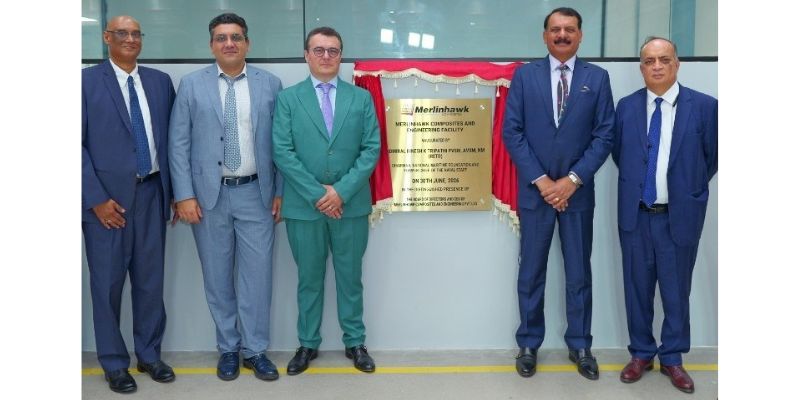
Merlinhawk Opens Advanced Composites Facility in Tamil Nadu
Merlinhawk Aerospace and Vega Composites have inaugurated an advanced composites facility at Shoolagiri to support aerospace and defence manufacturing in India.
Read moreRelated Products
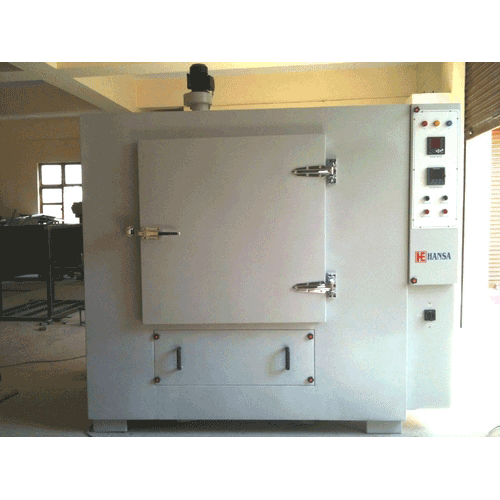
Heavy Industrial Ovens
INDUSTRIAL SUPPLIES
Hansa Enterprises offers a wide range of heavy industrial ovens.
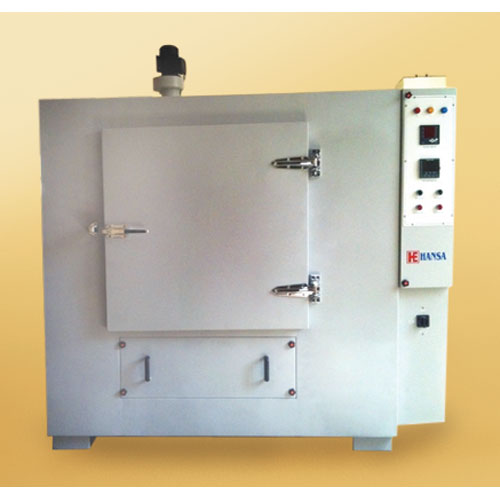
High Quality Industrial Ovens
INDUSTRIAL SUPPLIES
Hansa Enterprises offers a wide range of high quality industrial ovens. Read more
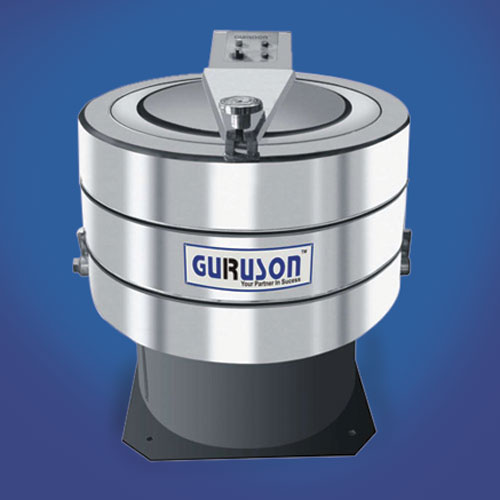
Hydro Extractor
INDUSTRIAL SUPPLIES
Guruson International offers a wide range of cone hydro extractor. Read more
latest News
Subscribe to iNoW

For Industry News on WhatsApp, Give a Miss Call on: +91 84228 74016