




Schedule a Call Back


How to Double Fabrication Capacity Without Expanding Your Factory Footprint
 Articles
- Feb 20,26
Rising demand and costly expansion are pushing fabricators to rethink growth. Vertical automation unlocks hidden capacity within existing shop floors, says Emily Newton.

Manufacturers everywhere are feeling the squeeze — customer demand keeps climbing, but expanding a factory footprint has become an expensive, slow-moving process. Land costs, permitting delays and supply chain constraints have turned “building out” into a last resort rather than a growth strategy. As a result, many fabricators are rethinking a long-ignored asset inside their own walls — the unused vertical space above the shop floor. Instead of spreading outward, they’re reclaiming their vertical air rights to unlock capacity that was hiding in plain sight.
Why verticality is the new expansion
For fabricators under pressure to increase throughput, the economics of traditional expansion no longer add up. Industrial land prices in major manufacturing hubs across the U.S., Europe and India remain high, while zoning, permitting and construction timelines stretch projects into multi-year commitments.
At the same time, the U.S. market is sending mixed signals. While demand for industrial space is up in many regions, overall vacancy rates have risen to 7.6 per cent nationally as new supply outpaces demand. That disconnect makes large, irreversible real estate bets harder to justify, especially for operations that need flexibility, not excess square footage.
Cost, however, is part of the story. Horizontal expansion often introduces operational drag that decreases productivity via:
? Longer travel distances for raw materials.
? More forklift traffic crossing production zones.
? Fragmented storage areas that increase handling touches.
Over time, sprawling layouts translate into wasted labor hours, a higher risk of inventory damage and reduced line-of-sight control over work-in-progress. The shop may be bigger, but rarely is it ever tighter, faster or more predictable.
Vertical strategies incur the opposite by compressing operations. Reclaiming vertical space brings materials closer to the point of use, shortens travel paths and restores flow discipline on the floor. In high-mix, high-throughput environments, this shift from horizontal sprawl to vertical density is a structural advantage that aligns capacity growth with operational efficiency.
Key technologies for upward expansion
Reclaiming vertical space is a technology decision, alongside the layout decisions. To make upward expansion viable at scale, fabrication shops need systems that store and stage materials in dense, high-throughput environments.
Automated storage and retrieval systems for sheet metal
At the center of most successful implementations are automated storage and retrieval systems (AS/RS) for sheet metal. These systems replace sprawling horizontal racks with high-bay towers that consolidate raw material into a tightly controlled footprint. They store large-format sheets vertically while delivering them directly to lasers, punches or shear lines on demand.
These systems can deliver a measurable impact on the shop floor and financially. For instance, a double-tower sheet metal system doubles storage capacity within the same floor space, allowing fabricators to scale material volume without expanding their facility envelope. By maximizing vertical density and improving material handling efficiencies, these systems help shops achieve up to $228,000 in annual savings through reclaimed floor space, reduced labor travel and improved material flow.
Vertical lift modules
Vertical lift modules (VLMs) apply the same vertical-density principle to smaller components, tooling and dies. By dynamically presenting trays to the operator at an ergonomic pick point, VLMs eliminate static shelving, free up aisles and significantly shorten retrieval times in high-mix environments. Just as important, they impose inventory discipline. Controlled access, real-time location tracking and tighter lot control reduce the hidden inefficiencies caused by misplaced tools or excessive handling.
Intelligent crane and gantry systems for heavy stock movement
Completing the vertical stack are intelligent crane and gantry systems. These manage the movement of heavy stock above the floor plane. Overhead handling allows large sheets to move between storage and processing zones without intersecting pedestrian or forklift traffic.
When integrated with vertical storage towers and downstream machines, these systems transform unused airspace into a functional logistics layer. This increases material velocity without expanding the building envelope or disrupting production flow.
How integration with machinery optimises workflow
The real payoff of vertical storage comes when it’s tightly integrated with downstream machinery. When an AS/RS is connected directly to a laser cutter, it can automatically select the correct gauge, material type and sheet size and stage it directly onto the machine’s loading pallet. This removes manual sheet selection, forklift staging and queueing delays that inflate machine idle time.
Instead of operators waiting on material, the machine becomes the pacing asset — fed continuously with the right material at the right moment, even as job requirements change throughout the day. This kind of automated material flow is particularly useful in custom metal fabrication settings, where off-the-shelf solutions often create inefficiencies and downtime because they must be adapted to fit unique workflows.
Custom fabrication ensures materials and functionality align with specific operational needs, minimizing delays caused by improvised workarounds and helping keep production moving smoothly. By automating how materials are stored and fed into processing equipment, shops reduce setup variability and stabilize throughput, turning material handling into a competitive advantage.
Handling the realities of implementation
Reclaiming the vertical space introduces some engineering and operational considerations. Before installing any system, it's imperative to conduct a structural engineering survey to verify floor capacity and ceiling clearances. Otherwise, it can limit system performance or force costly retrofits later.
Many shops also weigh a phased rollout to reduce disruption, but that approach comes with trade-offs. While it lowers the up-front risk, partial implementations can delay the full productivity gains.
Beyond the physical infrastructure, software integration and workforce readiness often determine whether a vertical expansion succeeds or stalls. AS/RS, VLMs and overhead handling systems must integrate cleanly with existing ERP and MES platforms to ensure material visibility, accurate job sequencing and real-time inventory control. Without that digital foundation, automation can create new bottlenecks.
Building capacity by thinking up
Doubling fabrication capacity is possible, but it requires rethinking how space is used inside it. By reclaiming vertical air rights and pairing them with integrated storage and workflow automation, manufacturers can reach dormant capacity while improving material flow and machine utilisation.
About the author:
Emily Newton is a tech and industrial journalist and the Editor-in-Chief of Revolutionized magazine. Subscribe to the Revolutionized newsletter for more content from Emily.
Image Courtesy: www.freepik.com
Automated Storage and Retrieval Systems (AS/RS)
Vertical Lift Modules (VLMs)
Sheet Metal Fabrication
Intelligent Crane Systems
Laser Cutting Machines
ERP/MES Integration
Industrial Automation
Material Handling Technology
Related Stories
Electrical & Electronics
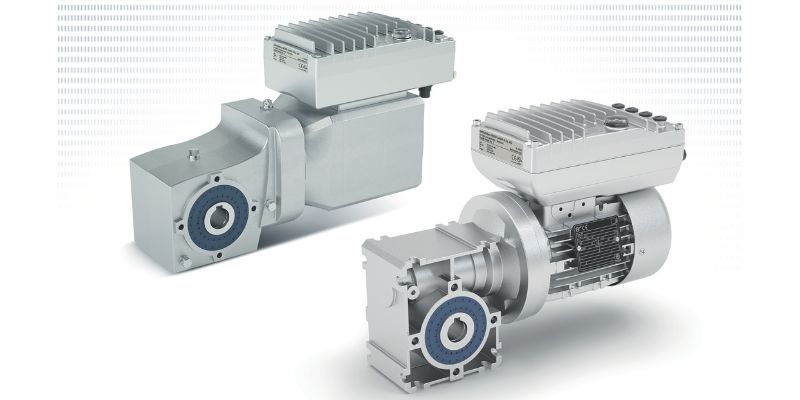
Nordac On Gains Expanded Functional Safety for Automation
Nord Drivesystems has expanded the Nordac On inverter with new safe motion functions for improved control and monitoring in automated production environments.
Read moreAutomation & Robotics
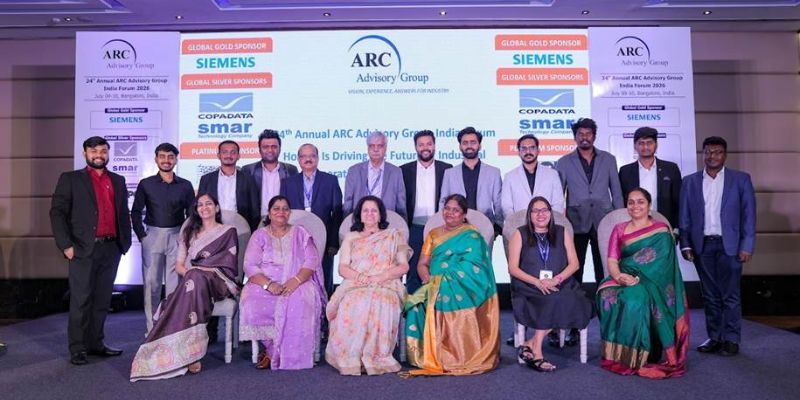
ARC India Forum Spotlights AI-Led Industrial Transformation
ARC Advisory Group’s 24th India Forum brought together 300-plus leaders to examine how AI is transforming industrial operations, manufacturing and supply chains.
Read moreSmart Manufacturing

Hitachi Vantara’s Norman Plant Named WEF Lighthouse Facility
Hitachi Vantara’s Norman manufacturing site has earned WEF Lighthouse status for using AI to reduce lead times, inventory and carbon emissions.
Read moreRelated Products
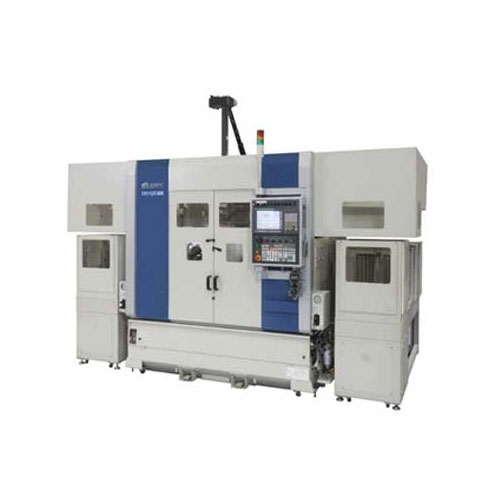
Compact Fmc - Motorum 3048tg With Fs2512
INDUSTRIAL AUTOMATION & TECHNOLOGY CONSULTANCY
Meiban Engineering Technologies Pvt Ltd offers a wide range of Compact FMC - Motorum 3048TG with FS2512.
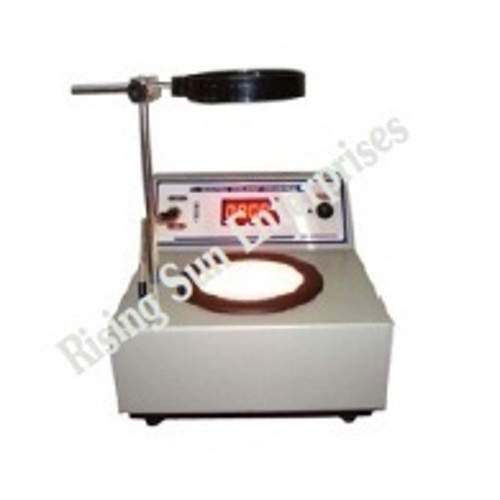
Digital Colony Counter
INDUSTRIAL AUTOMATION & TECHNOLOGY CONSULTANCY
Rising Sun Enterprises supplies digital colony counter.

Robotic Welding SPM
INDUSTRIAL AUTOMATION & TECHNOLOGY CONSULTANCY
Primo Automation Systems Pvt. Ltd. manufactures, supplies and exports robotic welding SPM.
latest News
Subscribe to iNoW

For Industry News on WhatsApp, Give a Miss Call on: +91 84228 74016