








Schedule a Call Back


India–EU FTA sealed, offers preferential EU access to over 99% of Indian exports
 Industry News
- Jan 27,26
The agreement is expected to be particularly transformative for labour-intensive sectors and MSMEs, with positive spillovers for employment generation among women, artisans, youth and professionals.
New Delhi
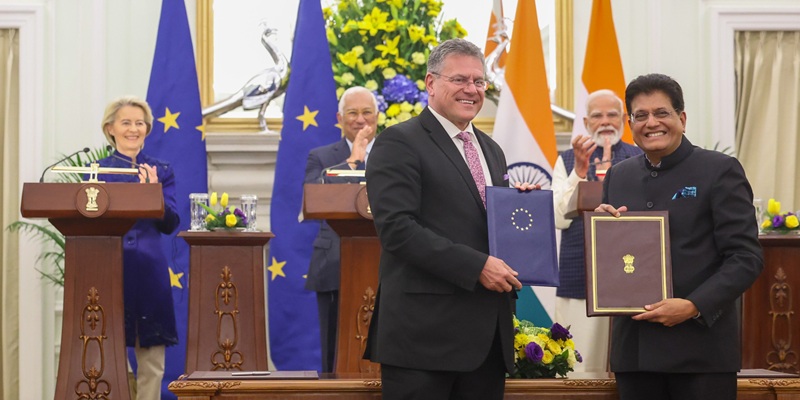
India and the European Union (EU) have formally concluded negotiations on the long-awaited India–EU Free Trade Agreement (FTA), marking a major milestone in India’s global trade engagement and economic diplomacy. The agreement was announced at the 16th India–EU Summit in New Delhi during the visit of European leaders, according to a press release issued by the Press Information Bureau (PIB).
The Government described the FTA as a strategic breakthrough that positions India and the European Union as trusted economic partners committed to open markets, predictability and inclusive growth. India and the EU are respectively the world’s fourth- and second-largest economies and together account for around 25 per cent of global GDP and nearly one-third of global trade, underscoring the scale and significance of the agreement.
At the core of the pact is unprecedented market access for Indian exports. As per PIB, more than 99 per cent of Indian exports, by trade value, will receive preferential access to the EU market, unlocking substantial growth potential across manufacturing, services and agriculture. The agreement is expected to be particularly transformative for labour-intensive sectors and MSMEs, with positive spillovers for employment generation among women, artisans, youth and professionals.
India’s trade relationship with the EU has expanded steadily in recent years. In 2024–25, bilateral trade in goods stood at Rs 11,500 billion ($ 136.54 billion), with India exporting Rs 6,400 billion ($ 75.85 billion) worth of goods and importing Rs 5,100 billion ($ 60.68 billion). Trade in services reached Rs 7,200 billion ($ 83.10 billion) during the same period, highlighting the growing importance of services in the bilateral economic relationship.
PIB said exports worth Rs 6,410 billion ($ 75 billion) are poised for a significant take-off following the agreement’s implementation. Within this, approximately $ 33 billion of exports from labour-intensive sectors—including textiles and apparel, leather and footwear, marine products, gems and jewellery, handicrafts, engineering goods and automobiles—are expected to benefit immediately, with tariffs of up to 10 per cent reduced to zero on the agreement’s entry into force. This is expected to sharply enhance competitiveness and integrate Indian producers more deeply into European and global value chains.
On automobiles, the FTA introduces a carefully calibrated, quota-based liberalisation framework. PIB said this approach balances market opening with domestic manufacturing priorities, creating scope for EU manufacturers to introduce high-value models in India while simultaneously encouraging Make in India, co-production and future exports of India-made vehicles to the EU. Indian consumers are also expected to benefit from access to advanced technologies and increased competition.
The agreement provides favourable market access for India’s agricultural and processed food exports, including tea, coffee, spices, fruits, vegetables and processed foods, strengthening rural livelihoods and agrarian enterprises. At the same time, India has safeguarded sensitive sectors such as dairy, cereals, poultry, soymeal and select fruits and vegetables, ensuring domestic priorities remain protected.
Beyond tariffs, the FTA addresses non-tariff barriers through enhanced regulatory cooperation, transparency and streamlined customs procedures. Commitments cover sanitary and phytosanitary measures, technical barriers to trade and trade facilitation, helping Indian exporters navigate regulatory complexities in the EU market more efficiently.
A notable feature of the agreement is its forward-looking engagement on climate-related trade measures. PIB said the FTA includes provisions related to the Carbon Border Adjustment Mechanism (CBAM), securing assurances on constructive dialogue, recognition of carbon pricing mechanisms, technical cooperation and targeted financial and technical support to help Indian industry reduce emissions and comply with emerging carbon requirements.
Services form a central pillar of the pact. The EU has offered market access across 144 subsectors, while India has opened 102 subsectors, covering areas such as IT and IT-enabled services, professional services, education, financial services, tourism, construction and other business services. The Government said this certainty of access and non-discriminatory treatment, combined with a focus on digitally delivered services, will significantly boost India’s services exports.
The FTA also establishes a facilitative and predictable mobility framework for short-term business travel and professional movement. Commitments cover intra-corporate transferees and business visitors, with entry and working rights for dependents. The EU has additionally offered access commitments in 37 sectors for contractual service suppliers and 17 sectors for independent professionals, many aligned with India’s strengths. India has also secured a framework to engage on social security agreements over a five-year period, along with provisions supporting student mobility and post-study work opportunities.
According to PTI, the EU will eliminate import duties on 90 per cent of Indian goods on the first day of implementation, with overall concessions covering 99.5 per cent of trade value, and bilateral goods trade is expected to cross $ 200 billion within three to four years of the pact coming into force.
The Government said the India–EU FTA lays the foundation for inclusive, resilient and future-ready growth, reinforcing shared values, fostering innovation and opening opportunities across sectors. Alongside India’s FTAs with the UK and EFTA, the agreement effectively opens up the entire European market for Indian businesses and exporters, aligning with India’s long-term vision of becoming a globally competitive and trusted economic partner.
India–EU FTA
European Union
export growth
textiles and apparel
services mobility
CBAM
MSMEs
global trade
carbon tax
Related Stories
Smart Manufacturing
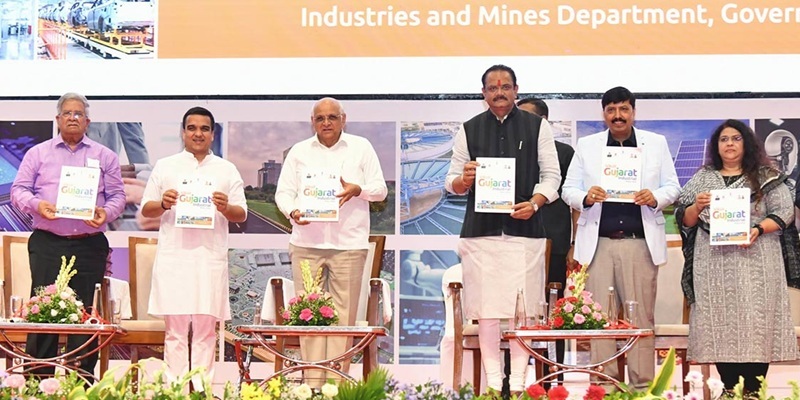
Gujarat Unveils New Industrial Policy 2026 to Drive Manufacturing, Innovation
Viksit Gujarat Industrial Policy 2026 identifies 21 high-growth thrust sectors, with special emphasis on emerging industries such as robotics, drones, footwear, toy manufacturing, and sports equipme..
Read moreElectrical & Electronics

Global Electronics Association Launches Policy Council
The new council will coordinate global advocacy across the electronics supply chain amid tariff, export control and investment pressures.
Read morePolicy Regulation
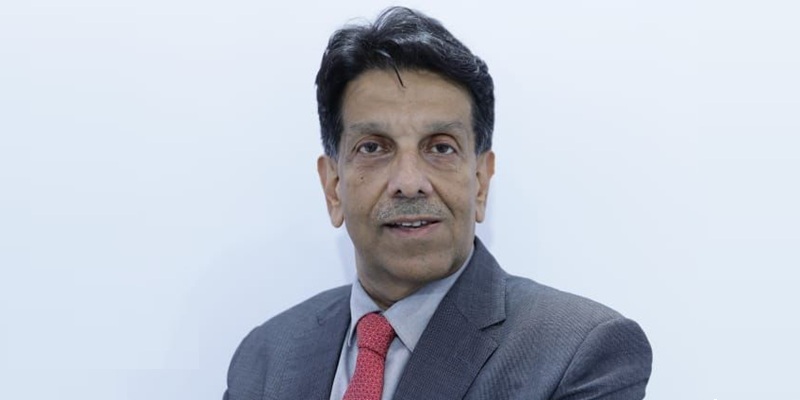
West Asia war is impacting India's engineering exports: Pankaj Chadha
While India’s engineering goods exports are expected to grow by 5 per cent in FY26 over previous year, the West Asia conflict has significantly impacted outbound shipments, says Pankaj Chadha, Cha..
Read moreRelated Products
latest News
Subscribe to iNoW

For Industry News on WhatsApp, Give a Miss Call on: +91 84228 74016