





Schedule a Call Back


Why SMEs are central to India’s manufacturing future in a VUCA world
 Articles
- Jan 26,26
Global manufacturing is shifting from cost-led sourcing to resilience, quality and trust, placing Indian small and medium enterprises (SMEs) at the centre of Make in India’s next growth phase, writes Ashok Chandak, President, India Electronics and Semiconductor Association (IESA) and SEMI India.

Key Takeaways
- SMEs must evolve from cost vendors to capability partners to secure global supply chain relevance.
- Phased automation and quality investments offer the highest returns for SME competitiveness.
- Stable policy, affordable finance and demand visibility are critical enablers for SME-led growth.
Manufacturing across the world is facing an era of unprecedented disruption. Volatility in markets, uncertainty in geopolitics, complexity in supply chains, and ambiguity in technology adoption have become the new normal. This VUCA world is no longer a concept discussed only in boardrooms of multinational corporations—it is a daily reality for small and medium enterprises (SMEs) as well.
For Indian SMEs, this environment can appear challenging. But it also presents a once-in-a-generation opportunity. As global companies diversify supply chains and governments prioritise domestic manufacturing, Make in India has evolved from a policy slogan into a strategic growth pathway, especially for SMEs that form the backbone of India’s manufacturing ecosystem.
Global manufacturing reset: From cost to confidence
For decades, global manufacturing decisions were driven primarily by cost efficiency. That model is changing. The pandemic, trade conflicts, technology controls, and logistics disruptions have exposed the risks of over-concentrated supply chains.
- Today, global buyers are asking new questions:
- Can this supplier deliver consistently?
- Is the supply chain resilient during disruptions?
- Is the manufacturing location geopolitically stable?
- re quality, compliance, and sustainability assured?
This shift from lowest cost to highest confidence plays directly to India’s strengths—and creates space for capable SMEs to integrate into global value chains.
India’s manufacturing landscape: Where SMEs stand today
India’s manufacturing sector contributes about 16–17 per cent of GDP, with a national ambition to raise this to 25 per cent. Large manufacturers often attract attention, but it is SMEs that:
- Supply components and sub-assemblies
- Provide specialised processes and tooling
- Enable scale, flexibility, and speed
In sectors like electronics, automotive, industrial equipment, and consumer products, SMEs account for a significant share of employment and output. Government initiatives such as Make in India, PLI schemes, and cluster-based development have already improved market access and demand visibility for SME manufacturers.
However, SMEs must now move from being cost-based vendors to capability-based partners.
Key VUCA challenges
There are multiple VUCA challenges before SMEs.
Challenge 1 - Supply chain uncertainty: Global disruptions have made access to raw materials, components, and logistics unpredictable. SMEs that depend heavily on imports or single suppliers are particularly exposed.
Response: Supplier diversification, local sourcing, and inventory planning are no longer optional—they are survival strategies.
Challenge 2 - Technology and skill gaps: Modern manufacturing increasingly relies on automation, digital tools, and quality systems. Many SMEs struggle with: Limited access to capital, lack of trained technicians, and uncertainty around technology RoI.
Response: Phased adoption of automation and collaboration with industry bodies and skilling institutions can bridge this gap.
Challenge 3 - Compliance and Quality Expectations: Global customers expect consistent quality, traceability, and compliance with international standards. SMEs often underestimate the importance of documentation, certifications, and testing.
Response: Investing in quality systems is not a cost—it is a market access enabler.
Challenge 4 - Financial constraints: High cost of capital and long payback periods can slow SME investments in capacity and technology.
Response: Better access to credit, government-backed guarantees, and long-term purchase commitments are critical.
The opportunity landscape: Why the timing is right
SMEs have the potential to be global suppliers.
- The China Plus One strategy is opening doors for Indian SMEs to become approved vendors to global OEMs. Large companies are actively scouting India for: Component manufacturing, EMS and sub-assemblies, precision machining and tooling, and product designs. SMEs that can demonstrate quality, reliability, and scalability will find unprecedented opportunities.
- Domestic demand is a hidden strength: India’s growing domestic market provides SMEs with a buffer against global volatility. Strong local demand allows SMEs to: Achieve scale, improve processes, and build credibility before exporting. Demand creation is as important as supply creation.
- FTAs and export access: India’s expanding free trade agreements (FTAs) improve market access for manufactured goods. SMEs that align products to global standards can leverage these agreements to enter new markets.
Be ready to embrace new trends
As manufacturing models evolve, SMEs must align with following emerging trends.
Automation - Start small, think long-term: Automation does not always mean full-scale robotics. SMEs can begin with: Semi-automation, process digitisation, and data-driven quality control. Even modest automation can significantly improve productivity and consistency.
Innovation and design capability: SMEs that move beyond build-to-print models and invest in design-for-manufacturing gain pricing power and customer stickiness. India’s engineering talent gives SMEs a natural advantage here.
Sustainability as a business opportunity: Global customers increasingly demand sustainable manufacturing. Energy efficiency, waste reduction, and responsible sourcing are becoming competitive differentiators, not regulatory burdens.
Practical strategies for SMEs
SMEs can take following practical steps to strengthen their competitiveness:
1. Focus on core strengths: Rather than trying to do everything, SMEs should deepen expertise in specific processes or components. Specialisation builds credibility and margins.
2. Invest in quality and certification: ISO standards, testing capabilities, and traceability systems open doors to global customers and higher-value contracts.
3. Collaborate, don’t compete alone: SME clusters, industry associations, and consortiums enable shared infrastructure, knowledge exchange, and collective bargaining power.
4. Skill up the workforce: Continuous skilling of technicians and supervisors is essential. Productivity gains come as much from people as from machines.
5. Align with policy and industry programs: Support from institutions like the Ministry of Electronics and Information Technology (MeitY) and sector-focused initiatives has created pathways for SMEs to integrate into national manufacturing missions. Awareness and proactive participation are key.
Policy direction: What SMEs need from the ecosystem
For SMEs to thrive in a VUCA world, policy must focus on:
- Stability and predictability, not frequent changes
- Easier access to affordable finance
- Faster approvals and simpler compliance
- Support for component-level manufacturing
- Stronger demand pull through public procurement and OEM adoption
- Eligibility in tender participation.
Importantly, security and regulatory considerations must be balanced with industry confidence. Abrupt disruptions create uncertainty that SMEs are least equipped to absorb.
SMEs: The backbone of Make in India
In a volatile global environment, resilient economies are built on resilient SMEs. India’s manufacturing ambitions cannot be achieved by large corporations alone. They will be realised through thousands of agile, capable, and competitive small and medium enterprises.
The VUCA world does not reward size alone—it rewards adaptability, reliability, and trust. Indian SMEs that invest in quality, skills, and long-term capability will not only survive this era of uncertainty—they will lead India’s transformation from “Make in India” to “Make for the World”.
For SMEs, the message is clear: “The opportunity is real. The moment is now.”
About the author:
Ashok Chandak is the President of India Electronics and Semiconductor Association (IESA) and SEMI India, India’s leading industry body for ESDM and intelligent electronics. With 30+ years of global leadership experience across companies such as NXP, Philips, Infineon, and Motorola, he brings deep expertise in semiconductors, automotive electronics, IoT, 5G, and AI. Chandak has played a key role in shaping India’s electronics and semiconductor ecosystem, including mentoring startups, building industry platforms, and advising on manufacturing and policy initiatives.
Make in India
MSMEs
Indian SMEs
Global Value Chains
Electronics Manufacturing
PLI Schemes
Supply Chain Resilience
Industrial Automation
Manufacturing Policy
Ashok Chandak
India Electronics and Semiconductor Association
SEMI India
Related Stories
Electrical & Electronics
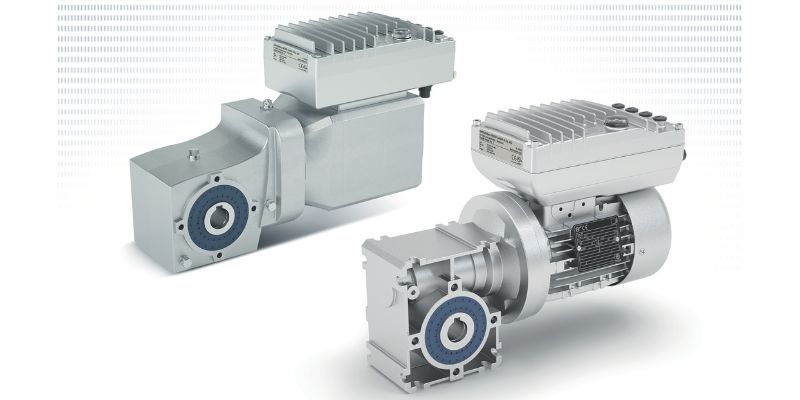
Nordac On Gains Expanded Functional Safety for Automation
Nord Drivesystems has expanded the Nordac On inverter with new safe motion functions for improved control and monitoring in automated production environments.
Read moreAuto & Auto Components
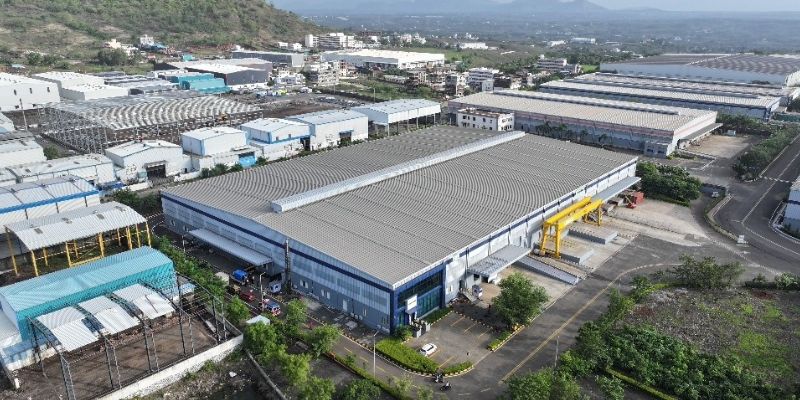
AmpereHour Opens 5 GWh BESS Manufacturing Facility in Pune
The Chakan facility will integrate Make in India battery blocks and digitally validated energy storage systems for utility-scale and industrial applications.
Read moreAutomation & Robotics
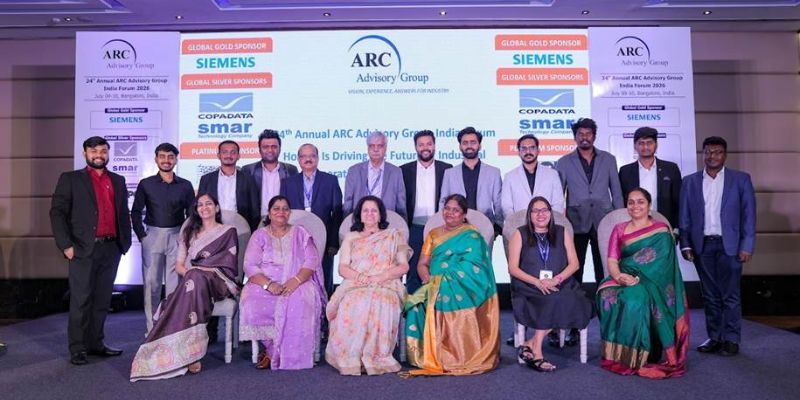
ARC India Forum Spotlights AI-Led Industrial Transformation
ARC Advisory Group’s 24th India Forum brought together 300-plus leaders to examine how AI is transforming industrial operations, manufacturing and supply chains.
Read moreRelated Products

Ultra-slim Humidity/temperature Indicator With Large 4” Display
ELECTRICAL & ELECTRONIC EQUIPMENT
Countronics offers a wide range of ultra-slim humidity/temperature indicator with large 4” display – Model 7100-4W.
Read more
Integrated Electric Gripper S Series
ELECTRICAL & ELECTRONIC EQUIPMENT
IBK Engineers Pvt Ltd offers a wide range of integrated electric gripper S series.

Geared Electric Motors
ELECTRICAL & ELECTRONIC EQUIPMENT
Delco Fans Pvt Ltd offers single phase capacitor run and three
phase geared Instrument motors, totally enclosed face/foot mounted.
latest News
Subscribe to iNoW

For Industry News on WhatsApp, Give a Miss Call on: +91 84228 74016