




Schedule a Call Back




Tariffs are reshaping automation supply chains: Blake Griffin
 Articles
- Dec 01,25
In this interview, Blake Griffin, Research Manager, Interact Analysis, highlights how trade wars, geopolitical tensions and rare-earth restrictions are reshaping global automation industry.

Trade wars, geopolitical tensions and rare-earth restrictions are reshaping global automation supply chains, with manufacturers preparing for a cautious recovery in 2026. According to Blake Griffin, Research Manager, Interact Analysis, companies that strengthen supply-chain resilience and diversify sourcing are best positioned to navigate the disruptions.
How did the automation OEM market perform in 2024 and 2025, and what is the outlook for 2026?
I cannot provide an exact market value, but I can confirm that 2024 and 2025 were down years for industrial automation. 2024 marked the lowest point, while the recovery in 2025 was disrupted by tariffs and related geopolitical tensions. The outlook for 2026 is cautiously optimistic, with recovery expected as interest rates fall, uncertainty eases, and orders delayed over the past two years begin to return.
How has US tariff policy disrupted global supply chains, particularly for automation OEMs?
Tariffs have created a substantial barrier to doing business in the US, pushing up equipment prices across the board. This has weakened the competitiveness of overseas suppliers exporting into the US—exactly as intended. However, for many automation products, there are no strong domestic substitutes. As a result, costs have risen without any realistic near-term alternatives. The most significant disruptions are likely to emerge from retaliatory actions taken by other countries, especially China.
How is the ongoing US–China trade tension intensifying supply-chain challenges?
China has a powerful bargaining tool: near-monopoly control over key rare earth materials. It has used this strategic advantage in response to the tariffs imposed on Chinese goods. Any restriction in the availability of these materials will put severe pressure on global supply chains if left unaddressed.
How critical are rare earth metals to automation OEMs, and how are China’s restrictions affecting global manufacturers?
Rare earth metals are essential in many components used in manufacturing systems. Servo motors—one of the most widely used components—depend on rare earth elements for the magnets inside them and cannot typically be produced without these materials. While the Trump administration has negotiated a temporary pause on export bans for many rare earths, restrictions on materials used for permanent magnets remain active, continuing to affect global OEMs.
Are countries such as India also affected by rare-earth restrictions?
Indirectly, yes. India may find it more difficult to secure American-made automation products that rely heavily on restricted materials. On the other hand, Indian manufacturers may become more competitive internationally because they retain access to these materials and can continue production without major disruption.
Can lessons from the Covid-era supply chain crisis be applied to the current situation? What solutions can automation OEMs adopt?
This disruption is unlikely to reach the severity of the Covid-era crunch, as current global demand is not as intense. However, one key lesson from that period remains highly relevant: market share often shifted in favour of companies that could deliver the fastest. We may see a similar trend in 2026 for manufacturers dependent on rare earth materials. To mitigate risks, OEMs should build buffer inventory, validate secondary suppliers, and strengthen supply-chain resilience to ensure they can continue fulfilling orders consistently.
Automation OEMs
US tariffs
rare earth metals
supply chain
US-China trade
servo motors
manufacturing disruption
Blake Griffin
Interact Analysis
Related Stories
Electrical & Electronics

India must focus on R&D alongside electronics manufacturing: Sanjay Huprikar
In this interview with Rakesh Rao, Sanjay Huprikar, Chief Global Officer of the Global Electronics Association, explores trends in global electronics industry, India’s manufacturing ambitions, and..
Read morePolicy Regulation

How India Can Build Manufacturing Strength in a VUCA World
As global manufacturing resets under VUCA pressures, India stands at a strategic inflection point, balancing resilience, technology, sustainability and leadership to shape future supply chains, says..
Read morePolicy Regulation

How Indian Manufacturing Is Learning to Scale While Thriving in a VUCA World
Global manufacturing is being reshaped by a VUCA world, where resilience, adaptability and reliability outweigh efficiency, creating challenges and strategic opportunities for India’s manufacturin..
Read moreRelated Products
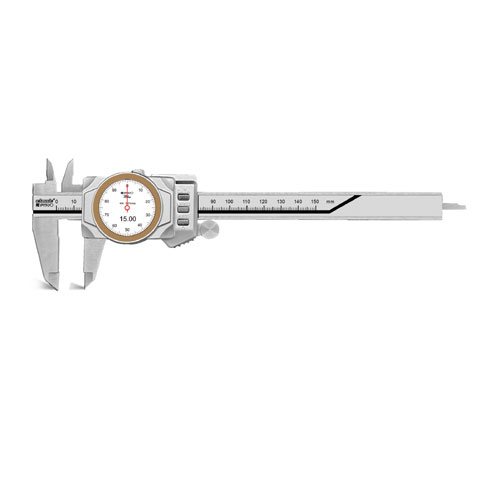
Digimatic Smart Caliper
INDUSTRIAL AUTOMATION & TECHNOLOGY CONSULTANCY
Veekay Industries offers a wide range of digimatic smart caliper.
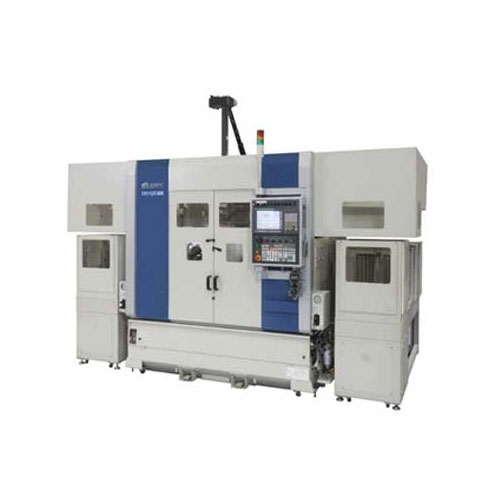
Compact Fmc - Motorum 3048tg With Fs2512
INDUSTRIAL AUTOMATION & TECHNOLOGY CONSULTANCY
Meiban Engineering Technologies Pvt Ltd offers a wide range of Compact FMC - Motorum 3048TG with FS2512.

Digital Colony Counter
INDUSTRIAL AUTOMATION & TECHNOLOGY CONSULTANCY
Rising Sun Enterprises supplies digital colony counter.
latest News
Subscribe to iNoW

For Industry News on WhatsApp, Give a Miss Call on: +91 84228 74016