








Schedule a Call Back


Why Integrity Is the New Currency and How Blockchain Becomes the Digital Rail
 Articles
- Feb 28,26
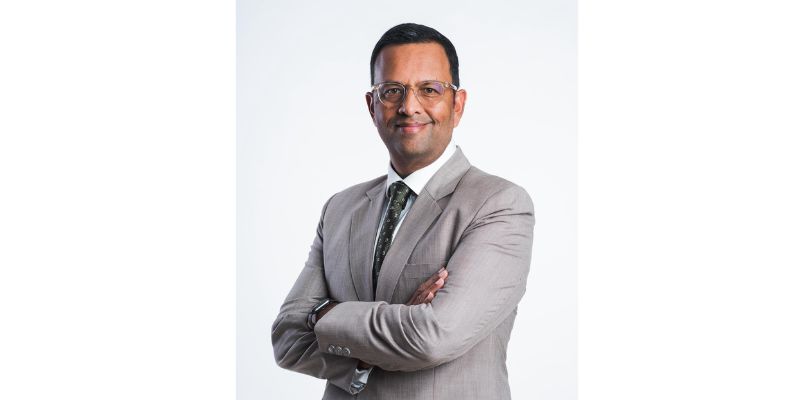
As carbon markets evolve, integrity takes centre stage. Blockchain and digital MRV are emerging as critical enablers to ensure transparency, traceability and trust at scale, write Yashodhan Ramteke (CEO), Anindya Roychowdhury (Commercial Director) of EcoGuard Global, and Stefan Deiss, Co-Founder & CEO, The Hashgraph Group.

The global carbon market is at an inflection point. As industries accelerate decarbonisation and governments tighten climate commitments, carbon markets are again being viewed as a critical instrument to mobilise capital at scale. However, renewed interest comes with a clear condition: the mistakes of the past cannot be repeated. The transition from Carbon Markets 1.0 to Carbon Markets 2.0 must be examined thoroughly, particularly to understand the impact of emerging technologies such as blockchain on the ecosystem.
Carbon markets 1.0: Scale without trust
Mechanisms such as the Clean Development Mechanism (CDM) under the Kyoto Protocol, voluntary market standards and registries such as Verra formed a large part of Carbon Markets 1.0. These markets demonstrated that emission reductions could be monetised and traded across borders. Billions of dollars flowed into renewable energy, industrial efficiency and mitigation projects, particularly in developing economies.
As markets expanded, structural weaknesses became evident. The most significant challenge was integrity.
Questions around additionality, whether projects would have been implemented regardless — emerged. Weak baselines, inconsistent monitoring and verification standards, and variability in project validation created credibility concerns. Double counting of credits and limited transparency across a project’s lifecycle further compounded these issues. Data often remained siloed among project developers, validators, registries and buyers.
The absence of real-time data and traceability meant that once issued, credits could change hands multiple times before reaching the final buyer, without full visibility.
As integrity concerns mounted, trust declined. Buyers, regulators and the public grew sceptical. The issue was not the failure of carbon markets as a concept, but the inability of Carbon Markets 1.0 to sustain credibility at scale. Integrity was treated as a compliance requirement rather than a core design principle, and the market suffered the consequences.
Carbon markets 2.0: Integrity by design
A clear shift has emerged from credit issuance to credit integrity, shaped by Article 6 of the Paris Agreement, next-generation voluntary markets and domestic compliance markets. Carbon Markets 2.0 seeks to address and bridge earlier gaps.
The market now demands transparent methodologies, high-quality data, strong safeguards against double counting and continuous monitoring. Integrity has become the foundation for liquidity, scalability and long-term viability.
Manufacturers today face emission intensity targets, CBAM compliance, ESG scrutiny and supply chain pressure for carbon assets that are auditable, traceable and defensible — not merely affordable. Achieving integrity at scale will require new digital infrastructure.
Blockchain as the trust infrastructure
Blockchain directly addresses three historical weaknesses of carbon markets: transparency, immutability and shared truth. Its effectiveness depends on how it is deployed.
By recording project data, issuance events, transfers and retirements on an immutable ledger, it enables traceable and tamper-resistant transactions. Once recorded, data cannot be altered retrospectively, creating a single source of truth accessible to authorised stakeholders. This significantly reduces risks of double issuance, double counting and opaque secondary trading.
It also enables seamless interaction across the carbon value chain. Data from digital MRV systems, sensors, enterprise platforms and verification processes can be recorded on-chain. This provides greater assurance to buyers, particularly in industrial and manufacturing sectors, that the carbon asset represents verified climate action.
For smart manufacturing and enterprise ecosystems, blockchain-based carbon infrastructure can enable compliant, transparent and scalable participation in both voluntary and compliance markets, aligning climate action with industrial growth.
Programmability through smart contracts can reduce transaction costs and shorten time to market. A rules-based system lowers transaction risks while embedding integrity at the core, with technology serving as an enabler.
From learning to leadership
Experience from Carbon Markets 1.0 demonstrates that markets cannot scale without trust. Carbon Markets 2.0 reflects a more mature approach to developing and sustaining these markets.
As carbon markets enter their next phase, integrity becomes the defining currency. When combined with robust methodologies, digital MRV and sound governance, blockchain provides the digital infrastructure required to preserve that value today and in the decades ahead.
About the authors:
Yashodhan Ramteke, the CEO at EcoGuard, is a sustainability and carbon markets specialist with extensive experience in circular economy, climate finance and decarbonisation.
Anindya Roychowdhury is the Commercial Director at EcoGuard Global, driving business strategy, product growth and cross-functional initiatives. He brings strong experience in business analysis, leadership and consulting to scale products and operations.
Stefan Deiss is an accomplished entrepreneur and executive with over 25 years in the IT and telecommunications space, currently serving as Co-Founder and Board Director of The Hashgraph Association.
carbon markets 2.0
blockchain in carbon trading
digital MRV
Article 6 Paris Agreement
carbon credit integrity
CBAM compliance
smart contracts in climate markets
sustainable manufacturing
EcoGuard
The Hashgraph Group
Yashodhan Ramteke
Anindya Roychowdhury
Stefan Deiss
Related Stories
Automation & Robotics
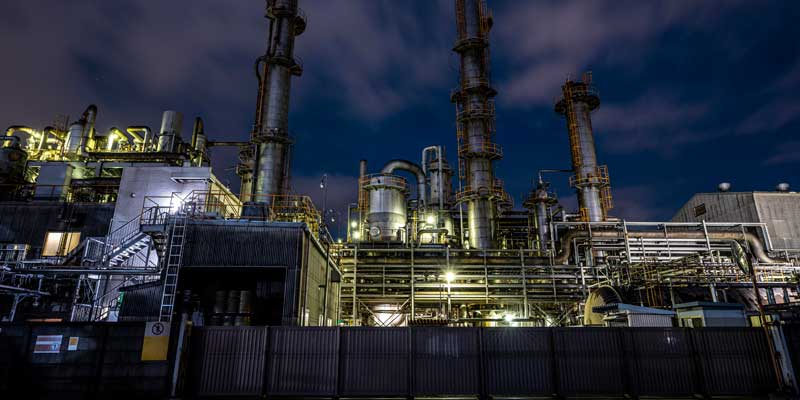
How AI and Automation Are Transforming the Future of Chemical Manufacturing
From connected plants to autonomous operations, digital technologies are transforming chemical manufacturing into a more predictive, efficient and sustainable industry, writes Rakesh Rao.
Read moreAutomation & Robotics
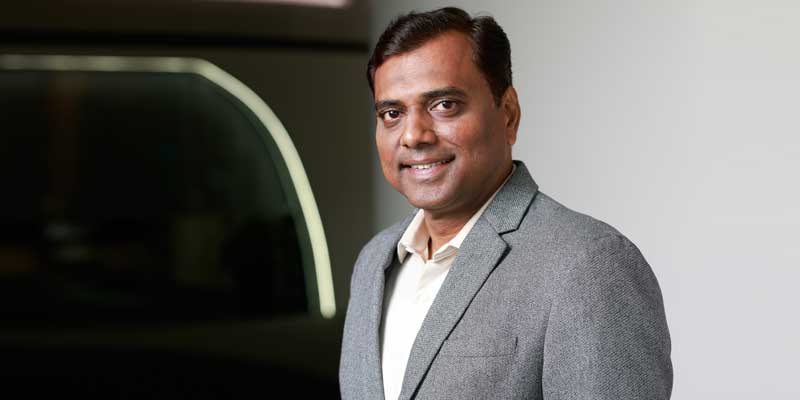
Industrial AI is essential for autonomous plant operation: Swapnil Deosthali
In this interview with Rakesh Rao, Swapnil Deosthali, Executive VP and Head – Digital Industries, Siemens India, shares insights on building autonomous, sustainable and resilient manufacturing eco..
Read moreAutomation & Robotics

Future Factory Expo webinar reveals roadmap for future-ready chemical plants
The recently held Future Factory Expo (FFE) webinar explored how automation, AI and digital technologies can help chemical manufacturers build safer, smarter, sustainable and future-ready factories,..
Read moreRelated Products

Fanless Industrial Pc for Smart Manufacturing
Smart Manufacturing
CONTEC Launches BX-M4600 Series - Fanless Industrial PC for Smart Manufacturing.
latest News
Subscribe to iNoW

For Industry News on WhatsApp, Give a Miss Call on: +91 84228 74016