





Schedule a Call Back


Modern material handling equipment is an enabler of Make in India mission."
 Articles
- Jun 25,26
In this interview, Manpreet Sachdeva, Founder, Elite Material Handling Co, highlights how smart and efficient material handling solutions can strengthen India’s logistics and manufacturing ecosystem.

Backed by more than six decades of experience, Elite Material Handling Co has carved a strong niche in the Indian material handling industry. In this interview, Manpreet Sachdeva, Founder, Elite Material Handling Co, highlights how smart and efficient material handling equipment (MHE) can strengthen India’s logistics and manufacturing ecosystem.
Could you take us through Elite Material Handling Co’s journey and key milestones?
Elite Material Handling Co was established in 1959 with a vision to elevate India’s material handling industry to global standards. Over the years, the company has built a strong reputation by offering durable, reliable and high-quality material handling solutions for diverse industrial needs. The company has steadily expanded its product portfolio to include dock levellers, pallet trucks, stackers, high-speed doors and other material handling systems. This growth has been supported by continuous innovation and a strong focus on customer requirements. Elite has also embraced automation and sensor-based technologies to enhance warehouse efficiency, with a longer-term vision of developing autonomous material handling equipment.
With more than six decades of industry experience, Elite Material Handling Co has strengthened its presence across India and serves sectors such as automotive, aerospace, textiles and defence. The company continues to evolve with changing industry trends while maintaining its commitment to efficiency, innovation and dependable performance.
What are the major challenges facing India’s material handling equipment (MHE) industry, and how can manufacturers address them?
The material handling equipment industry in India is facing challenges across regulatory, infrastructural and technological areas. The introduction of CEV Stage V emission norms in 2025 has required manufacturers to adapt to stricter environmental regulations. Compliance with safety and operational standards also remains a challenge, especially for smaller players in the industry.
Infrastructure limitations continue to affect the efficiency of material handling operations. Inadequate warehousing and logistics infrastructure, along with limited investment in rural areas, restricts the wider adoption of MHE solutions beyond major urban centres. At the same time, the industry is moving towards automation, IoT and AI-driven solutions, but adoption remains gradual because of high initial investment costs and the shortage of skilled professionals.
Manufacturers can overcome these challenges by investing in sustainable and energy-efficient solutions, including electric and hybrid material handling equipment. Alternative fuels and efficient designs will also play an important role, with hydrogen fuel emerging as a future-facing option. The industry must also focus on improving infrastructure, strengthening domestic manufacturing, developing local components and building supply chain resilience.
Digital transformation will be equally important. Companies need to integrate IoT, artificial intelligence (AI) and predictive analytics to optimise equipment performance and reduce downtime. Workforce training and skill development programmes will help bridge the gap between advanced technologies and operational capabilities. As the industry evolves, automation, robotics, smart telematics and real-time monitoring will become critical to improving productivity and long-term competitiveness.
How are automation and artificial intelligence influencing the MHE sector?
Automation and artificial intelligence are transforming the Material Handling Equipment sector by improving efficiency, safety and adaptability across warehouses, logistics operations and manufacturing facilities. AI-powered autonomous mobile robots and automated guided vehicles are helping optimise material movement while reducing dependence on manual labour. Robotic picking systems with computer vision are also improving speed, precision and accuracy in sorting, packing and movement of goods.
AI-driven predictive maintenance is another major development. By analysing sensor data, AI systems can predict equipment failures before they occur, helping reduce downtime and maintenance costs. Machine learning models can optimise servicing schedules for forklifts, conveyors and automated storage systems, ensuring higher equipment availability.
Smart warehousing is also gaining momentum. AI-powered digital twins can create real-time simulations of warehouse operations, allowing managers to improve workflows and identify inefficiencies. AI-driven heatmaps and movement tracking can help detect bottlenecks, improve material flow and even predict the life expectancy of products or equipment.
The future potential of AI in material handling is significant. Fully autonomous warehouses, self-learning robots, AI-enabled logistics planning, real-time tracking, collision avoidance systems and ergonomic analysis will redefine the sector. As AI integrates further with IoT and edge computing, material handling systems will become faster, safer, more intelligent and more responsive to dynamic industrial environments.
How does modern MHE support the Make in India initiative?
The Make in India initiative has been a major driver for domestic manufacturing, technology adoption and infrastructure development. Modern material handling equipment plays a crucial role in supporting this mission by improving productivity, reducing operational inefficiencies and strengthening India’s industrial capabilities. Efficient MHE enables manufacturers to improve material movement, optimise warehouse operations and increase output. Automation and AI-driven systems help reduce costs, improve reliability and support India’s growing manufacturing base. As logistics parks, smart warehouses and industrial corridors expand, the need for advanced material handling systems will continue to grow.
The initiative also encourages local production of MHE, reducing dependence on imports and strengthening India’s industrial base. Companies are investing in indigenous research and development to create solutions tailored to Indian industries. At the same time, the shift towards electric forklifts, energy-efficient equipment and predictive maintenance supports India’s sustainability goals.
By developing world-class MHE solutions, India can improve domestic manufacturing efficiency and also position itself as a competitive exporter of material handling equipment. In this sense, MHE is not just a support system for Make in India; it is an enabler of productivity, competitiveness and industrial growth.
How is the MHE industry evolving with the growth of warehousing, e-commerce and industrial automation?
The material handling equipment industry in India is undergoing a significant transformation as warehousing, e-commerce and industrial automation expand rapidly. The growth of e-commerce has increased demand for high-speed sorting systems, conveyor automation, robotic picking solutions and smart warehouse technologies. Businesses now need faster, more accurate and more scalable systems to manage inventory and fulfil customer expectations.
Automation and robotics are becoming central to this shift. The adoption of automated guided vehicles and autonomous mobile robots is increasing as companies seek to streamline warehouse operations. AI-powered predictive maintenance is also helping businesses reduce downtime and optimise equipment performance.
IoT and smart analytics are further reshaping the industry. Sensors are being embedded in MHE to provide real-time monitoring of equipment health, warehouse conditions and operational performance. AI-driven analytics are helping companies improve supply chain efficiency, reduce costs and make better decisions.
Sustainability is also becoming a major focus area. The industry is gradually shifting towards electric forklifts, lithium-ion battery-powered equipment and energy-efficient designs. Companies are looking to reduce carbon footprints through eco-friendly material handling solutions. Government initiatives such as PM Gati Shakti, the National Logistics Policy and Make in India are also encouraging investment in modern warehousing, logistics automation and domestic MHE manufacturing.
What are Elite Material Handling Co’s growth plans for the next three to five years?
The Indian MHE industry is poised for rapid growth, with automation, AI and sustainability shaping its future. Elite Material Handling Co aims to strengthen its position in this evolving market by focusing on domestic expansion, advanced technology and global outreach.
On the domestic front, the company plans to strengthen its manufacturing capabilities by investing in automation and AI-driven material handling solutions. It also aims to expand production capacity to meet rising demand from logistics, e-commerce and industrial automation. Tier-2 and tier-3 cities will be important growth markets as industries in these regions look for cost-effective and scalable material handling solutions.
Elite also plans to strengthen partnerships with sectors such as automotive, aerospace and defence. Sustainability will remain a key priority, with the development of energy-efficient and eco-friendly equipment, along with a focus on electric and hybrid MHE solutions aligned with India’s sustainability goals.
Globally, the company aims to expand exports to markets such as Southeast Asia, the Middle East and Europe. Strategic alliances with global logistics and warehousing companies will support this outreach. The company also intends to invest in AI-powered predictive maintenance, IoT-enabled smart warehousing and autonomous material handling equipment to compete at a global level.
By showcasing its innovations at international trade fairs, strengthening research and development collaborations and building a stronger global brand, Elite Material Handling Co is positioning itself as a leader in smart, sustainable and efficient material handling solutions in India and overseas.
Manpreet Sachdeva
Material handling equipment
MHE
Elite Material Handling Co
warehouse automation
smart logistics
AI in material handling
Make in India
green material handling
Related Stories
Auto & Auto Components
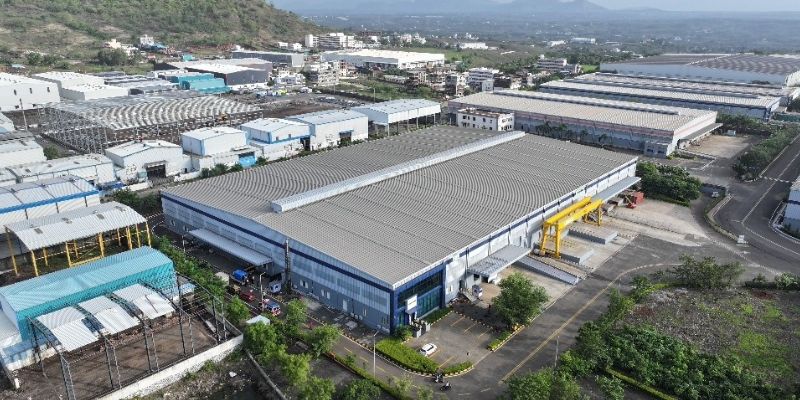
AmpereHour Opens 5 GWh BESS Manufacturing Facility in Pune
The Chakan facility will integrate Make in India battery blocks and digitally validated energy storage systems for utility-scale and industrial applications.
Read moreProcess Equipment
LANXESS to Produce Fire-Resistant Hydraulic Fluids in India
LANXESS will start local production of Reolube fire-resistant hydraulic fluids at its Jhagadia site, strengthening supply reliability across India and the IMEA region.
Read moreAerospace Defence
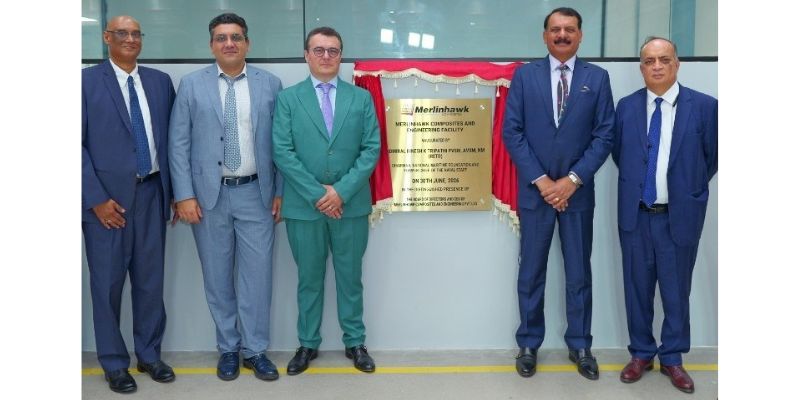
Merlinhawk Opens Advanced Composites Facility in Tamil Nadu
Merlinhawk Aerospace and Vega Composites have inaugurated an advanced composites facility at Shoolagiri to support aerospace and defence manufacturing in India.
Read moreRelated Products

Fanless Industrial Pc for Smart Manufacturing
Smart Manufacturing
CONTEC Launches BX-M4600 Series - Fanless Industrial PC for Smart Manufacturing.
latest News
Subscribe to iNoW

For Industry News on WhatsApp, Give a Miss Call on: +91 84228 74016