





Schedule a Call Back


India plays a central role in Eplan´s strategy: Haluk Menderes
 Articles
- May 26,26
In this interview with Rakesh Rao, Haluk Menderes, MD, Eplan GmbH & Co KG, outlined the company’s strategic focus on innovation, automation, and seamless customer experience
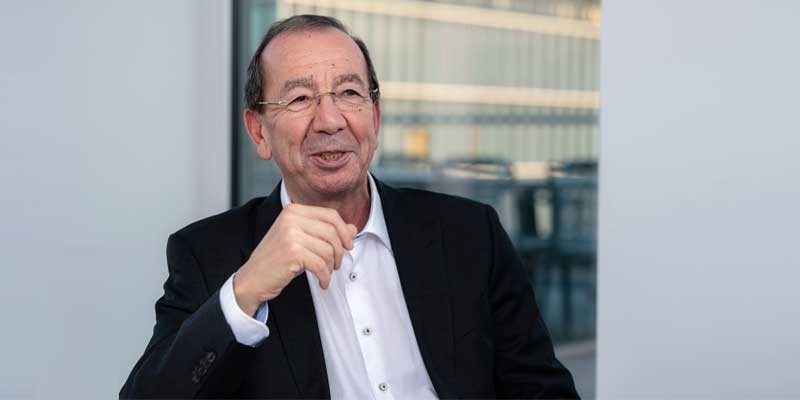
Eplan – along with its sister company Rittal - has been advancing industrial automation through integrated solutions, combining software and hardware to enhance productivity and global competitiveness. For Eplan, India is emerging as a key growth market because of the country’s rising adoption of engineering tools, renewable energy initiatives, and the increasing globalisation of local champions. In this interview with Rakesh Rao, Haluk Menderes, Managing Director, Eplan GmbH & Co KG, outlined the company’s strategic focus on innovation, automation, and seamless customer experience.
What is your company currently focusing on, particularly in today’s market environment?
As economic pressures are driving companies to invest more in automation, it is providing good opportunities for us. Industrial automation, which was traditionally focused on manufacturing lines, is now increasingly relevant in energy and power sectors as well. Together with Rittal, we are concentrating substantial resources not only on market outreach but also on future-focused development. At Hannover Messe, both companies showcased several innovations, including our newly announced cooling liquids for advanced cooling systems.
Our core focus is to enhance productivity across the complete value chain. This extends beyond engineering and automation to include sourcing, production, and service. From the proposal phase, we equip companies with tools to optimise proposals, manage component availability, and ensure timely deliveries. In production, we emphasise standardised processes and quality control. Service and maintenance are fully digitalised: scanning a QR code provides up-to-date system information and cloud-based connectivity between engineering and service, creating a seamless, integrated experience. This end-to-end approach defines what we are doing today—combining engineering excellence with a complete, customer-centric process.
What industry trends are you seeing at present?
The prevailing trend is heightened automation, but it is accompanied by increasing emphasis on quality and lead times. Companies are now benchmarking globally; for instance, suppliers from Asia Pacific may deliver faster to South America than local suppliers. This challenge is also an opportunity—optimising production and delivery can create competitive advantage.
Artificial intelligence (AI) is another critical area. While earlier, Industry 4.0 was often discussed as a future concept, it is now a tangible reality. At Rittal sites, for example, robots are fully operational in production, and AI is the next milestone.
How do you view the shift from offshoring to localised production?
Many countries are adopting a ‘local for local’ strategy. This de-globalisation trend creates opportunities for local suppliers to capture domestic markets. At Eplan, we are responding by expanding our offshore professional services in India. Our international team supports countries worldwide, providing expertise and collaborating with universities to build highly skilled resources. This is currently the fastest-growing team within the Eplan organisation.
In India, where manufacturing often involves SMEs, how do you engage with these companies?
We focus on two main areas. Firstly, we offer industry-specific solution packages, which provide templates, data, and standardised solutions for sectors like building technology, energy and maritime. Secondly, we deploy tailored onboarding for SMEs, beginning with fully digital processes and progressing to advanced on-site support and standardisation. Even for small automation projects, we work alongside Rittal to evaluate existing systems and enhance competitiveness. These approaches accelerate adoption and ensure SMEs can integrate seamlessly into global workflows.
How has the Indian market evolved in terms of demand and approach?
India is our fastest-growing market, with high double-digit growth in customer base and team size. Indian companies are increasingly seeking efficiency and global competitiveness. Education in India is strong, producing highly capable engineers, including unique programmes for mechatronics.
Indian customers now value global-standard engineering tools and certified products. SMEs are increasingly seeking internationally acceptable drawings and solutions. This shift aligns with government initiatives encouraging global outreach rather than solely serving domestic markets. The mindset in India is evolving towards quality, global competitiveness, and standardisation.
Will the India-EU Free Trade Agreement impact your business?
Yes. Many of our largest customers have extensive licensing in India and operate globally. The agreement facilitates smoother trade and reduces duties, for instance, for cooling solutions used in AI data centres and Industry 4.0 applications. Indian companies are exporting high-quality products to Europe, and with our solutions, we can support them in maintaining international standards while benefiting from reduced trade barriers. This will accelerate execution and enhance business efficiency.
What is Eplan´s global strategy and outlook for India in the next one to two years?
Globally, we are focusing on three key markets: the US, China, and India. Leading in these markets positions us strongly worldwide. We are already dominant in Europe and are expanding rapidly in other regions. India, in particular, is a priority due to its skilled workforce, rapid growth, and market potential. Investments in people, technology, and infrastructure will define the future.
Are there specific end-user industries driving demand for your products?
Industrial automation remains the primary driver, but energy and power sectors are becoming increasingly critical. Investments in substations, renewable energy, and distribution infrastructure are rising globally. Building technology is another expanding segment, as automation becomes standard in modern facilities. Additionally, regional sectors such as maritime are strategically important in certain geographies, like India and parts of Europe. Process industries are also relevant, but we focus resources where market demand and future trends align.
How do renewable energy and emerging sectors like hydrogen present opportunities for Eplan?
Renewable energy, storage solutions, and hydrogen represent significant markets. In India, we are active in wind, solar, battery energy storage systems (BESS), and hydrogen. Eplan provides engineering designs and solutions suitable for outdoor and containerised installations. Many renewable energy players in India rely on high-quality products and solutions from our ecosystem, illustrating the growing demand and importance of these sectors.
Eplan – along with its sister company Rittal - has been advancing industrial automation through integrated solutions, combining software and hardware to enhance productivity and global competitiveness. For Eplan, India is emerging as a key growth market because of the country’s rising adoption of engineering tools, renewable energy initiatives, and the increasing globalisation of local champions. In this interview with Rakesh Rao, Haluk Menderes, Managing Director, Eplan GmbH & Co KG, outlined the company’s strategic focus on innovation, automation, and seamless customer experience.
What is your company currently focusing on, particularly in today’s market environment?
As economic pressures are driving companies to invest more in automation, it is providing good opportunities for us. Industrial automation, which was traditionally focused on manufacturing lines, is now increasingly relevant in energy and power sectors as well. Together with Rittal, we are concentrating substantial resources not only on market outreach but also on future-focused development. At Hannover Messe, both companies showcased several innovations, including our newly announced cooling liquids for advanced cooling systems.
Our core focus is to enhance productivity across the complete value chain. This extends beyond engineering and automation to include sourcing, production, and service. From the proposal phase, we equip companies with tools to optimise proposals, manage component availability, and ensure timely deliveries. In production, we emphasise standardised processes and quality control. Service and maintenance are fully digitalised: scanning a QR code provides up-to-date system information and cloud-based connectivity between engineering and service, creating a seamless, integrated experience. This end-to-end approach defines what we are doing today—combining engineering excellence with a complete, customer-centric process.
What industry trends are you seeing at present?
The prevailing trend is heightened automation, but it is accompanied by increasing emphasis on quality and lead times. Companies are now benchmarking globally; for instance, suppliers from Asia Pacific may deliver faster to South America than local suppliers. This challenge is also an opportunity—optimising production and delivery can create competitive advantage.
Artificial intelligence (AI) is another critical area. While earlier, Industry 4.0 was often discussed as a future concept, it is now a tangible reality. At Rittal sites, for example, robots are fully operational in production, and AI is the next milestone.
How do you view the shift from offshoring to localised production?
Many countries are adopting a ‘local for local’ strategy. This de-globalisation trend creates opportunities for local suppliers to capture domestic markets. At Eplan, we are responding by expanding our offshore professional services in India. Our international team supports countries worldwide, providing expertise and collaborating with universities to build highly skilled resources. This is currently the fastest-growing team within the Eplan organisation.
In India, where manufacturing often involves SMEs, how do you engage with these companies?
We focus on two main areas. Firstly, we offer industry-specific solution packages, which provide templates, data, and standardised solutions for sectors like building technology, energy and maritime. Secondly, we deploy tailored onboarding for SMEs, beginning with fully digital processes and progressing to advanced on-site support and standardisation. Even for small automation projects, we work alongside Rittal to evaluate existing systems and enhance competitiveness. These approaches accelerate adoption and ensure SMEs can integrate seamlessly into global workflows.
How has the Indian market evolved in terms of demand and approach?
India is our fastest-growing market, with high double-digit growth in customer base and team size. Indian companies are increasingly seeking efficiency and global competitiveness. Education in India is strong, producing highly capable engineers, including unique programmes for mechatronics.
Indian customers now value global-standard engineering tools and certified products. SMEs are increasingly seeking internationally acceptable drawings and solutions. This shift aligns with government initiatives encouraging global outreach rather than solely serving domestic markets. The mindset in India is evolving towards quality, global competitiveness, and standardisation.
Will the India-EU Free Trade Agreement impact your business?
Yes. Many of our largest customers have extensive licensing in India and operate globally. The agreement facilitates smoother trade and reduces duties, for instance, for cooling solutions used in AI data centres and Industry 4.0 applications. Indian companies are exporting high-quality products to Europe, and with our solutions, we can support them in maintaining international standards while benefiting from reduced trade barriers. This will accelerate execution and enhance business efficiency.
What is Eplan´s global strategy and outlook for India in the next one to two years?
Globally, we are focusing on three key markets: the US, China, and India. Leading in these markets positions us strongly worldwide. We are already dominant in Europe and are expanding rapidly in other regions. India, in particular, is a priority due to its skilled workforce, rapid growth, and market potential. Investments in people, technology, and infrastructure will define the future.
Are there specific end-user industries driving demand for your products?
Industrial automation remains the primary driver, but energy and power sectors are becoming increasingly critical. Investments in substations, renewable energy, and distribution infrastructure are rising globally. Building technology is another expanding segment, as automation becomes standard in modern facilities. Additionally, regional sectors such as maritime are strategically important in certain geographies, like India and parts of Europe. Process industries are also relevant, but we focus resources where market demand and future trends align.
How do renewable energy and emerging sectors like hydrogen present opportunities for Eplan?
Renewable energy, storage solutions, and hydrogen represent significant markets. In India, we are active in wind, solar, battery energy storage systems (BESS), and hydrogen. Eplan provides engineering designs and solutions suitable for outdoor and containerised installations. Many renewable energy players in India rely on high-quality products and solutions from our ecosystem, illustrating the growing demand and importance of these sectors.
Any closing remarks on the company’s focus moving forward?
Our overarching goal is seamless integration across engineering, sourcing, production, and service. By combining software and hardware expertise with a digitalised process, we enable companies of all sizes to enhance productivity, quality, and global competitiveness. India plays a central role in this strategy, serving as a hub for talent, innovation, and growth within our global ecosystem.
Any closing remarks on the company’s focus moving forward?
Our overarching goal is seamless integration across engineering, sourcing, production, and service. By combining software and hardware expertise with a digitalised process, we enable companies of all sizes to enhance productivity, quality, and global competitiveness. India plays a central role in this strategy, serving as a hub for talent, innovation, and growth within our global ecosystem.
Haluk Menderes
Eplan
Rittal
Industrial Automation
Digital Engineering
India Market
Renewable Energy
SMEs
Hannover Messe 2026
Industrial automation
Hannover Messe
Germany
Rakesh Rao
Related Stories
Automation & Robotics
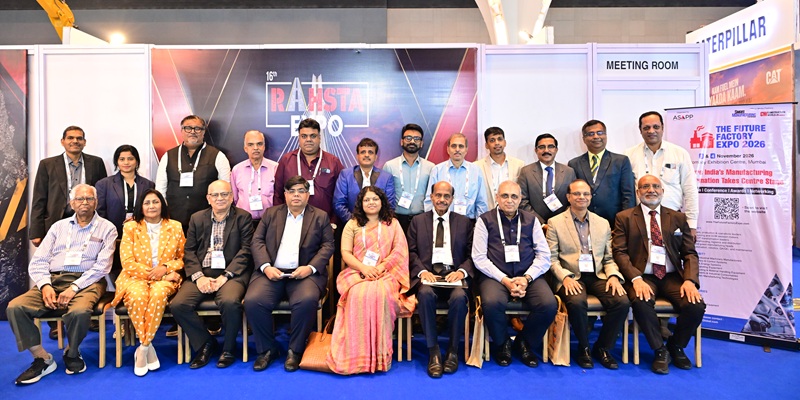
Future Factory Expo CXO Roundtable Charts Smart Transformation for SMEs
During the roundtable, hosted by Smart Manufacturing & Enterprises (SM&E) and The Future Factory Expo 2026, industry leaders outlined how SMEs can use practical digitisation, automation, skilling an..
Read moreAutomation & Robotics
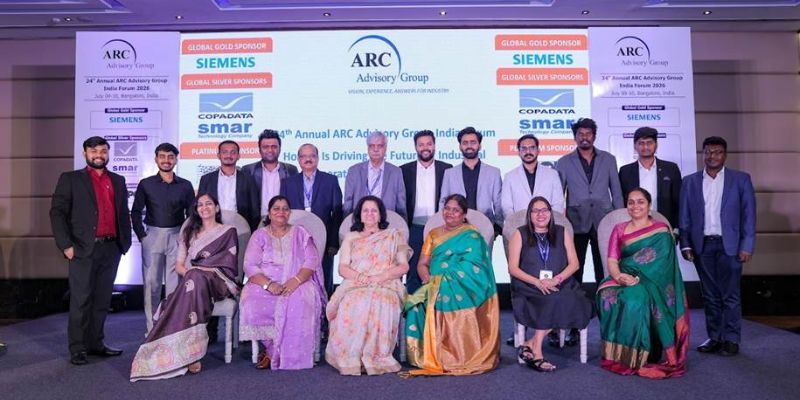
ARC India Forum Spotlights AI-Led Industrial Transformation
ARC Advisory Group’s 24th India Forum brought together 300-plus leaders to examine how AI is transforming industrial operations, manufacturing and supply chains.
Read moreSmart Manufacturing

Hitachi Vantara’s Norman Plant Named WEF Lighthouse Facility
Hitachi Vantara’s Norman manufacturing site has earned WEF Lighthouse status for using AI to reduce lead times, inventory and carbon emissions.
Read moreRelated Products
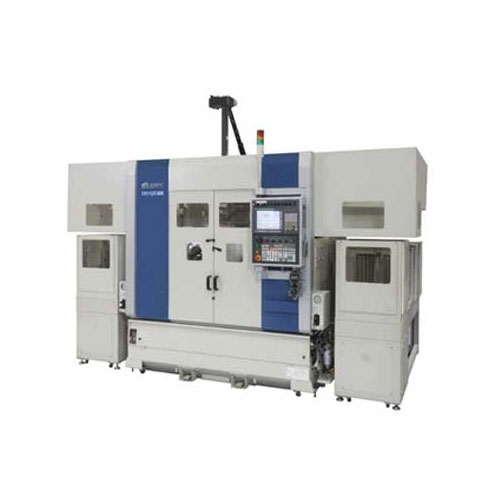
Compact Fmc - Motorum 3048tg With Fs2512
INDUSTRIAL AUTOMATION & TECHNOLOGY CONSULTANCY
Meiban Engineering Technologies Pvt Ltd offers a wide range of Compact FMC - Motorum 3048TG with FS2512.
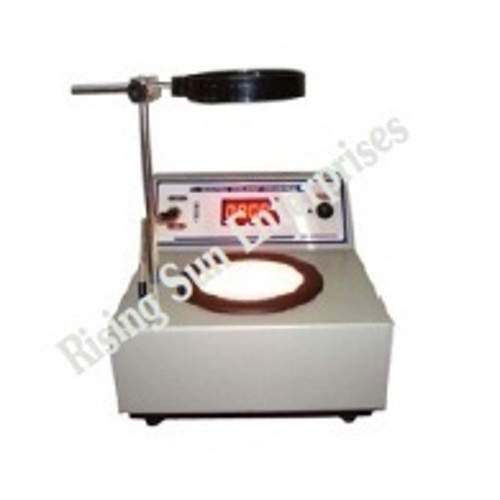
Digital Colony Counter
INDUSTRIAL AUTOMATION & TECHNOLOGY CONSULTANCY
Rising Sun Enterprises supplies digital colony counter.

Robotic Welding SPM
INDUSTRIAL AUTOMATION & TECHNOLOGY CONSULTANCY
Primo Automation Systems Pvt. Ltd. manufactures, supplies and exports robotic welding SPM.
latest News
Subscribe to iNoW

For Industry News on WhatsApp, Give a Miss Call on: +91 84228 74016