





Schedule a Call Back


Energy Efficiency as a Strategic Priority for Indian Manufacturing
 Articles
- Dec 18,25
India’s manufacturing growth is accelerating, but rising energy demand makes efficiency a strategic necessity for cost control, competitiveness, and sustainable industrial expansion.

India’s manufacturing sector sits at the centre of the
country’s economic ambitions. It contributes more than 16 per cent to the
national GDP and supports over 27 million workers across formal and informal
units. Its scale reaches into every major industry, from textiles and chemicals
to steel and machinery. This breadth has made manufacturing a steady engine of
economic activity and innovation. The sector is expected to contribute 25 per
cent to the GDP, and by 2030, its share in the overall goods exports will reach
one trillion dollars.
This growth story, however, comes with responsibility. As
manufacturing output rises, so does energy use, manufacturing already accounts
for nearly 27 per cent of India’s commercial energy consumption. When viewed
within the larger industrial segment, the share climbs to around 42 per cent of
the country’s total electricity use. The pressure will grow as more plants
expand production lines, add new machinery, and move towards more advanced
digital operations. Even with the steady increase in renewable capacity, most
electricity still comes from coal. This creates both financial and
environmental strain, making energy conservation more than a moral choice. It
has become a strategic requirement.
Why energy efficiency
has become a strategic priority
Over the past decade, manufacturing processes have become
more energy intensive. Automated lines, precision machining, and continuous
processing improve product quality, yet they also draw more power. Reduced
electricity bills could bring down energy-related costs by 10 to 15 per cent.
For businesses working with tight operating margins, this difference matters.
In some industries, electricity alone accounts for 20 to 30 per cent of total
production costs. These include metals, cement, chemicals, and heavy engineering.
A modest reduction in energy expenses can alter financial performance. If the
electricity cost is cut by just 10 per cent, EBITDA margins can increase by 40
to 100 basis points, depending on the sector.
Alongside cost concerns, energy efficiency now plays a
direct role in global competitiveness. Exporters in automotive, steel, and
aluminium are being assessed on the carbon footprint of their products. Global
regulations, including the European Union’s Carbon Border Adjustment Mechanism
and similar trade-linked norms, are strengthening this requirement. In this
environment, each unit of energy saved carries a dual reward. It lowers
production costs and improves compliance with international standards. Energy
management has therefore shifted from being a support activity to a core
component of export readiness. For Indian manufacturers, treating efficiency as
a strategic priority is vital for cost control, regulatory adherence, and
sustainable growth.
Energy efficiency
equipment a driver of stronger performance
Energy-efficient systems help plants produce more with the
same amount of power, sometimes even less. In process industries such as pulp
and paper, pharmaceuticals, and food and beverage, rotating equipment is among
the most energy-intensive assets. Pumps, compressors, agitators, and mixers
operate for long hours, moving liquids, chemicals, and slurries through
critical production processes. Small improvements in the efficiency of these
machines can translate into meaningful reductions in energy consumption,
helping plants manage costs without compromising throughput. Optimising the
performance of these assets ensures that electrical energy is converted into
mechanical work as effectively as possible, directly supporting lower overall
energy demand.
Mechanical seals and seal support systems play a crucial
role in maintaining the efficiency of rotating equipment. Properly designed
seals reduce friction, prevent leakage, and allow pumps and compressors to
operate closer to their ideal efficiency curves. Even marginal improvements in
sealing performance can significantly decrease the energy required to maintain
pressure and flow. In continuous operations, such as paper manufacturing or
pharmaceutical processing, these gains scale rapidly, offering measurable
benefits across entire production lines and contributing to more stable and
predictable output.
Alongside individual equipment improvements, system-level
enhancements also support energy savings. Optimised layouts, reduced
recirculation losses, and correct sizing of pumps and compressors ensure that
energy is not wasted in unnecessary circulation or overcapacity. When combined
with advanced equipment that is designed for efficiency and reliability, these
measures allow plants to meet rising production demands while keeping energy
consumption under control. The result is a more cost-effective operation, a
predictable energy profile, and a stronger foundation for sustainable growth.
Efficiency needs
insight, not just equipment
Efficiency gains from modern rotating equipment can be
significantly enhanced through smart monitoring and analytics. Real-time
sensors track energy consumption, vibration, temperature, and pressure across
pumps, compressors, agitators, and mixers, providing detailed insights into
operational performance. This visibility enables plant teams to balance loads,
optimise processes proactively, and uncover inefficiencies that might otherwise
go unnoticed. Even minor misalignment or underperformance in critical equipment
can increase electricity consumption and introduce variability, making it more
difficult to maintain consistent production and predictable energy usage.
Advanced analytics platforms build on these insights by
consolidating operational data and highlighting trends or anomalies. Operators
can pinpoint where energy use deviates from expected patterns and implement
targeted adjustments before inefficiencies escalate. Over time, these small,
incremental improvements accumulate across the plant, creating a more
predictable energy profile and reducing overall energy intensity. The results
are tangible as plants lower operating costs, improve resource utilisation, and
make measurable progress toward sustainability goals. Teams can even track
performance against internal benchmarks and broader environmental standards,
ensuring energy efficiency becomes actionable and visible.
The adoption of smart monitoring tools also fosters a
proactive energy management culture. Plant managers gain a clear understanding
of how operational decisions impact energy use, enabling smarter scheduling and
load distribution. Operators develop real-time awareness of the effects of
their actions, embedding efficiency into daily routines rather than treating it
as an occasional initiative. Applying these insights across rotating equipment
strengthens overall plant performance, reduces energy waste, and improves
operational resilience. These operational insights and efficiency gains not
only strengthen plant performance but also position manufacturers to respond
effectively to evolving policy frameworks and incentive programmes aimed at
promoting energy conservation.
Policies and trends
accelerating the shift
Government programmes further support these efficiency
efforts, guiding industry adoption of structured energy conservation practices.
The Perform Achieve and Trade scheme remains central to this agenda. Recent
updates show that PAT is now more closely aligned with the upcoming Carbon
Credit Trading Scheme, which has already notified emission intensity targets
across nine major sectors. This marks a shift from voluntary improvements to
structured, compliance-led reductions in energy use. Because it links performance
with measurable requirements, the policy framework encourages companies to
treat efficiency as a long-term discipline.
Several states have added their own incentives. These
include capital subsidies, interest support for efficient equipment, and
preferential tariffs for facilities that meet certified energy standards.
Support for rooftop solar installations and building upgrades has also
strengthened. These moves make the shift to efficient systems more accessible
for both large and mid-sized industries.
Market dynamics are reinforcing this momentum. Variable
Frequency Drives, efficient motors, and upgraded boilers have become more
affordable. Plants often recover their investment in VFDs within one to two
years. Lighting upgrades, particularly LEDs, deliver payback periods of less
than a year in facilities with long operating hours. As prices decline and
performance improves, businesses view energy conservation as part of routine
operations rather than a peripheral sustainability project.
Conclusion
Energy efficiency in manufacturing is becoming a cornerstone
of future-ready operations. Plants that integrate reliable equipment with
actionable data insights can optimise processes, maintain consistent
performance, and ensure energy is used effectively across critical systems.
This capability supports smoother production planning; better load
distribution, and greater operational reliability, helping manufacturers scale
output without increasing energy strain.
Looking ahead, these practices will strengthen energy security and reduce demand pressures on the grid while enhancing the global competitiveness of Indian manufacturing. Embedding efficiency into everyday operations positions energy management as a strategic enabler, delivering cost savings, predictable performance, and measurable progress toward sustainability targets. Manufacturers that continue to adopt smarter processes and optimise energy use will be better equipped to meet evolving production needs and environmental expectations, securing both economic and operational resilience.
About the author:
Satish Ingavale is an industry leader with extensive
experience in engineering and industrial solutions, currently serving as
Managing Director of John Crane India. Beyond his MD role, Satish holds senior
leadership positions across related engineering and services companies,
including as Additional Director at Smiths India Services and Director at
Seebach Filter Solutions India.
Manufacturing sector
energy efficiency
GDP contribution
electricity consumption
global competitiveness
rotating equipment
smart monitoring
energy management
policy frameworks
sustainable growth
Related Stories
Smart Manufacturing
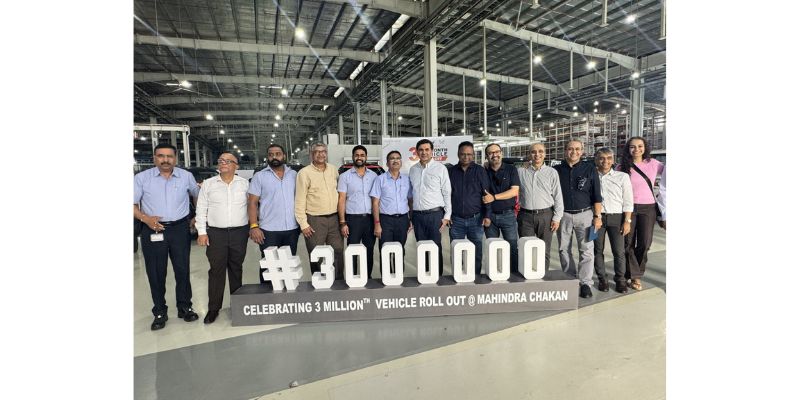
Mahindra’s Chakan Plant Crosses 3 million Vehicle Milestone
Mahindra’s Chakan facility has crossed three million vehicles, with the BE 6 marking its evolution into a flexible, digitally enabled hub for ICE and electric mobility.
Read moreProcess Equipment

Himadri Plans Rs 2.4 bn Capex for CNT and Speciality Carbon Black
Himadri plans Rs 2.4 bn in capex for a 200 MTPA CNT unit and a 6,000 MTPA super-speciality carbon black project, alongside new battery material capacities.
Read moreAuto & Auto Components

NBC Bearings Expands Automotive Aftermarket Portfolio Beyond Bearings
NBC Bearings has launched a new range of automotive aftermarket products, including wiper blades, brake pads, belts and steering rods, for two- and three-wheelers and passenger cars.
Read moreRelated Products
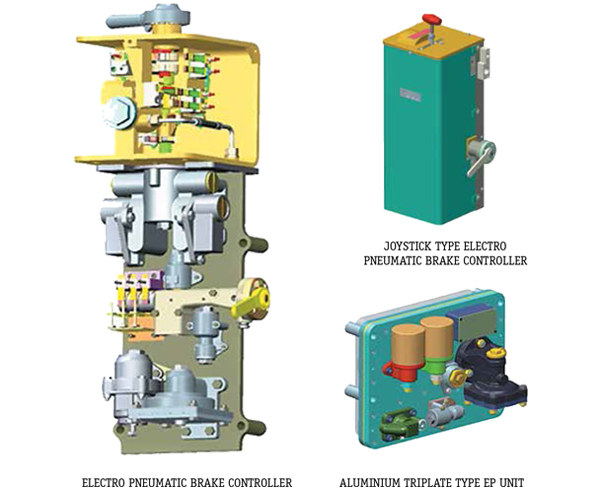
Electro - Pneumatic Brake System for Emu
CONSTRUCTION, MINING & EARTH MOVING EQUIPMENT
Escorts Kubota Limited offers a wide range of electro - pneumatic brake system for EMU.

Indef Powered Crane Kit
CONSTRUCTION, MINING & EARTH MOVING EQUIPMENT
Hercules Hoists Ltd offers a wide range of Indef powered crane kit.
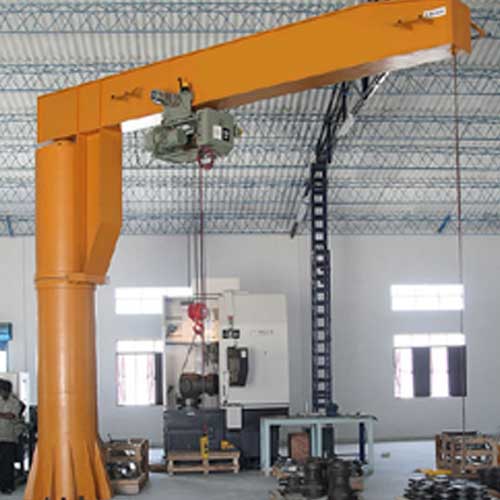
Jib Crane
CONSTRUCTION, MINING & EARTH MOVING EQUIPMENT
DC Hoist & Instruments Pvt Ltd offers a wide range of Jib crane.
latest News
Subscribe to iNoW

For Industry News on WhatsApp, Give a Miss Call on: +91 84228 74016