






Schedule a Call Back


Combat Survivability and the Soldier System
 Technical Articles
- May 08,14
NULL

John Reeve, Defence Consultant, at Morgan Advanced Materials
Composites & Defence Systems, a leading supplier of lightweight combat-proven body armour products to the global defence sector, examines recent developments in the Soldier System and how these are being further advanced through greater technological integration

For the UK, the US and other allied forces, the conflicts in Iraq and Afghanistan have forced substantial and rapid investment in individual protection systems such as helmets and body armour. They have also precipitated rapid advancement in weapons, sights, day and night observation devices, as well as radios and other communication systems. Together, these form what has become widely known as the Soldier System, and many armies are seeking to put in place programmes to bring greater coherence to this mix of capabilities. The aspiration is not a new one, but it nonetheless creates a significant procurement challenge for the customer, as well as technical challenges for the global defence industry. What is perhaps clearer now is the enduring requirement to protect soldiers in combat, and the nature of equipment required by soldiers to fight on the modern battlefield. So what can be learned from recent experiences?
Meeting operational needs

Firstly, combat soldiers operating in a high-threat environment must be equipped with effective individual protection equipment. Advancements in helmet and body armour technology now mean there is no excuse for soldiers not to be properly equipped. While this statement may be obvious, procuring the right equipment is not simple. Defining the requirement is key and there are two critical aspects:
- The user requirement must suit the intended purpose - this is driven by the concept of employment and the threat
- The system requirement must be crafted to ensure the supplier delivers the intended product to the right quality. This demands a deep understanding of the user requirement as well as the technical detail of the system to be procured
In the case of both body armour and helmets, there are many aspects, which should manifest themselves in the specification. Notwithstanding quality, shape and multiple-hit requirements, there is a need to specify the threats, which must be defeated. The basic equation for body armour has always been: the higher the threat, the heavier the plate, and although this essentially remains true, new materials and systems technologies are making it possible to reduce mass significantly for a given performance.
Reducing weight without compromising performance

For combat helmets, performance and weight are also closely related. However, there are more subtleties in the specification given that a helmet delivers multi-faceted protection against impact, blast, fragmentation, debris, and projectiles thrown in riots as well as ballistic threats. Evidence from the field supports this case - the British Mk 7 combat helmet has performed extremely well across the threat spectrum and particularly in respect of impact and fragment. The latest combat helmets deliver all specified and implied performance parameters of the Mk 7 with a mass reduction of 0.4 kg (28%) through the use of highly innovative hybrid composite materials technology and new manufacturing techniques.
Reducing the burden is an ever present requirement. Parasitic weight, thermal loading and ergonomic stress all conspire to degrade soldier performance and hence drive the demand for new technologies and improved equipment. New materials technologies create a clear mass reduction route but equally important is the optimisation of systems design to deliver the necessary ergonomic performance, as evidence by the latest Explosive Ordnance Disposal (EOD) suits. Harnessing the expertise of partner companies on eyewear and load carriage, these now form a fully integrated soldier system where all components are optimised in their own right and further enhanced through more effective interfaces with each other. This system has also been designed to deliver the functionality required to operate with both current and future soldier capabilities.
The next steps in systems integration

Defence customers worldwide are seeking to integrate their protection and load carriage with other systems too. This is particularly challenging given the range of equipment types, the number of companies involved and the continuous, rapid advancement of technology. There will always be requirements for new technologies and equipment, and recent experience shows yet again that, in times of war, the rate of acquisition will increase commensurate with the operational imperative. So rather than seeking to bring all elements together into an elegant technical vision, it makes more sense to ensure that the basic needs (load carriage, body armour and helmets) can accommodate current and future equipment advances. This is actually about specifying generic interface requirements to the suppliers of all equipment. In doing this, the acquirer can be free to engage the industrial base as it actually exists and the user can be free to use the most appropriate systems for the mission. The latest central load carriages and protection systems offer broad compatibility for current and future technologies.
Few nations, if any, will have the luxury of re-equipping their soldiers with all components of the wider Soldier System in one hit. Legacy procurements, in-service technologies, readiness of future technologies, the industrial landscape and budgetary reality mean that capability management through incremental acquisition is a more realistic strategy. The leading suppliers in the sector are now very much focused on getting the basics right in the areas of load carriage, body armour and helmet systems to give defence customers worldwide the freedom to acquire future soldier capabilities when budgets and technology allow.
Morgan Advance Materials has operations in over 50 countries worldwide, including India: www.morganadvancedmaterials.com
Related Products
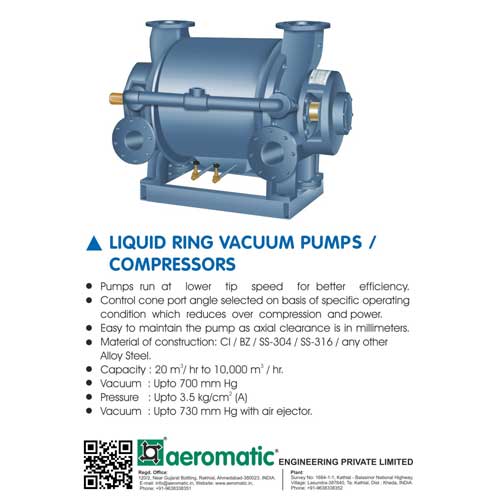
Liquid Ring Vacuum Pumps/Compressors
Compressors and Allied Equipment
Aeromatic Engineering Private Limited offers a wide range of liquid ring vacuum pumps/compressors.
Read more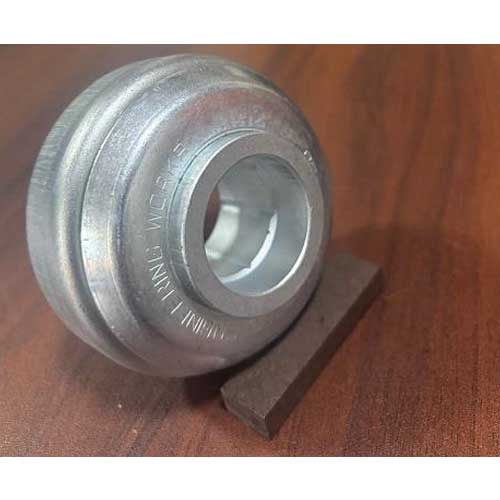
Hot Wheel Bearing
Bearings, Bushings, Wheels and Gears
SICCO Engineering Works offers a wide range of hot wheel bearing. Read more
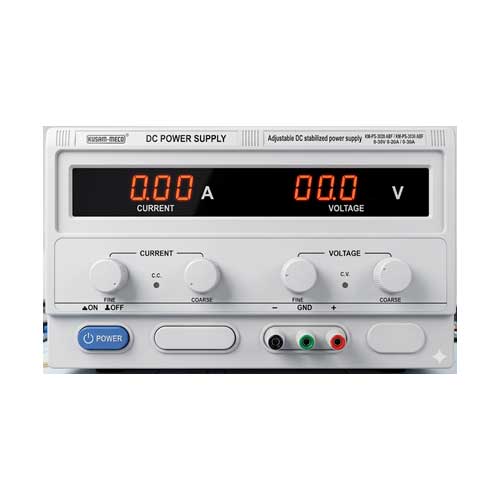
Kusam-meco DC Power Supply Model Km-ps-3020 Abf / Km-ps-3030 Abf
Power Supplies, Batteries & Accessories
<p>Kusam Electrical Industries Ltd offers Kusam-Meco DC power supply model KM-PS-3020 ABF/ KM-PS-3030 ABF</p> Read more
latest News
Subscribe to iNoW

For Industry News on WhatsApp, Give a Miss Call on: +91 84228 74016