




Schedule a Call Back


Adoption of electric material handling equipment is accelerating: Jai Sancheti
 Interviews
- Jul 03,26
In this interview, Jai Sancheti, Vice President, Material Handling Equipment Solutions, SILA Group, explains emerging trends in material handling sector and how SILA is supporting this transition with integrated MHE solutions.
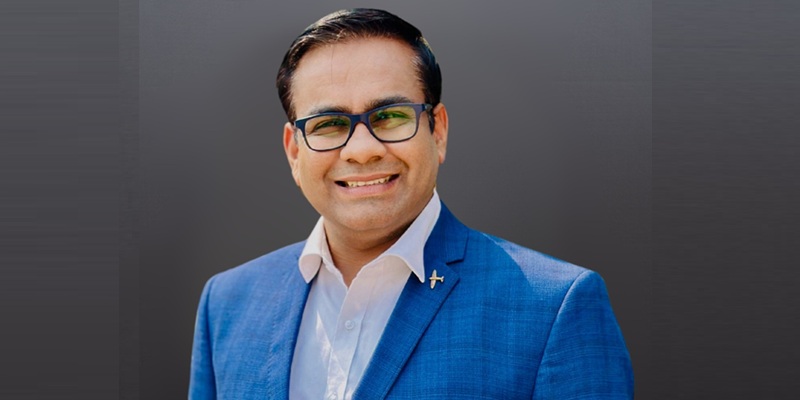
India’s material handling equipment (MHE) industry is shifting towards smarter, electric and service-led solutions as warehousing, logistics and manufacturing sectors expand. In this interview, Jai Sancheti, Vice President, Material Handling Equipment Solutions, SILA Group, explains emerging trends in material handling sector and how SILA is supporting this transition with integrated MHE solutions.
How is the Material Handling Equipment (MHE) industry evolving in India with the growth of warehousing, logistics, retails and manufacturing sectors?
India's Material Handling Equipment (MHE) industry is entering a very exciting phase of growth. The market is currently valued at over $ 11 billion in 2025 and is expected to reach $ 23 billion by 2034, growing at a CAGR of around 8 per cent. This momentum is being fuelled by the rapid expansion of several sectors. Grade A warehousing stock has nearly tripled over the last five years, while ecommerce and third-party logistics providers continue to build larger and more sophisticated fulfilment centres. At the same time, initiatives such as Make in India and the Production Linked Incentive (PLI) schemes are driving manufacturing growth, and modern retail and quick commerce are creating a greater need for faster inventory movement.
Another important factor is India's logistics cost, which is estimated at around 13-14 per cent of GDP, compared to 8-9 per cent in many developed economies. Improving warehouse efficiency is therefore becoming a business priority rather than just an operational goal.
As a result, organisations are no longer looking at material handling equipment as standalone machines. They are investing in solutions that improve productivity, optimise space utilisation and enhance overall supply chain efficiency.
SILA brings over 15 years of facility management expertise into the MHE space. How does this background help in understanding customer needs?
One of our biggest strengths is that we understand operations before we recommend equipment.
Over the past 15 years, SILA has managed operations across 125+ cities, supported a workforce of 25,000+ employees, and delivered integrated facility management solutions across manufacturing, commercial, retails and logistics environments.
This experience gives us a strong understanding of how warehouses and industrial facilities actually function. We understand warehouse layouts, material flow, operational bottlenecks, safety requirements, equipment uptime expectations and the day-to-day challenges around labour productivity.
So, instead of asking a customer which forklift they need, we begin by understanding their operations. The conversation is centred around improving warehouse throughput, reducing operating costs and creating a more efficient workflow. That consultative approach is what differentiates SILA from a conventional equipment rental company.
How does SILA's partnership with Nilkamal strengthen its ability to offer scalable and reliable MHE solutions?
Our partnership with Nilkamal brings together two organisations with complementary strengths.
Nilkamal has built one of India's most trusted portfolios of material handling products, while SILA brings extensive operational expertise, nationwide service capabilities and strong asset lifecycle management.
Together, we are able to offer customers pan-India deployment, quicker response times, preventive maintenance, digital fleet management and flexible rental solutions.
Today, businesses don't just expect equipment to be delivered; they expect it to remain operational with minimal downtime. Customers increasingly look for equipment availability of over 99 per cent, and our partnership has been designed to deliver that level of reliability through a combination of quality products and responsive service.
With businesses increasingly focusing on faster turnaround and safer operations, how is demand changing for pallet trucks, stackers, forklifts, reach trucks and VNA trucks?
Customer requirements have become much more application-driven than they were a few years ago.
Different industries now look for equipment that best suits their specific operational needs rather than opting for standard solutions. Pallet trucks continue to see strong demand across FMCG, retail and pharmaceutical warehouses, while stackers are becoming increasingly popular among small and medium enterprises.
Forklifts remain the backbone of manufacturing operations, but we're also seeing significant growth in reach trucks as warehouses adopt taller racking systems ranging between 10 and 14 metres. At the same time, Very Narrow Aisle (VNA) trucks are gaining traction because they enable businesses to increase storage density by 30-40 per cent without expanding warehouse space.
Industry estimates also indicate that the Indian forklift market could grow at around 10 per cent CAGR over the coming years, reflecting the strong structural demand in the sector.
Increasingly, customers are evaluating equipment based on the cost of moving each pallet and the overall efficiency it delivers, rather than simply looking at the purchase price.
SILA offers both conventional and electric MHE options. How are customers responding to EV-based solutions?
The adoption of electric material handling equipment has accelerated considerably over the past few years.
Earlier, electric forklifts were primarily used in sectors such as pharmaceuticals and food processing. Today, they are finding acceptance across manufacturing facilities, logistics parks and retail warehouses.
There are several reasons for this shift. Electric forklifts can deliver 30-40 per cent lower operating costs in many warehouse applications, while maintenance expenses can reduce by 20-30 per cent because electric drivetrains have fewer moving parts. They also offer zero tailpipe emissions, lower noise levels and improved operator comfort.
The growing availability of lithium-ion batteries has further strengthened adoption, as opportunity charging during work breaks allows businesses to maximise equipment utilisation.
While diesel forklifts will continue to play an important role in heavy-duty outdoor operations, we believe electric forklifts will become the preferred choice for most indoor warehouse applications over the next decade.
How is automation changing the way companies select and deploy material handling equipment?
Automation is no longer limited to large, highly automated warehouses. It is steadily becoming part of mainstream warehouse operations across industries.
The Indian warehouse automation market is expected to grow at nearly 18 per cent CAGR through 2031, reflecting the increasing adoption of smart technologies.
Today, customers want equipment that can integrate seamlessly with their Warehouse Management Systems (WMS), provide real-time visibility into utilisation, predict maintenance requirements before breakdowns occur and even help monitor operator performance.
Technologies such as fleet telematics, IoT, AI-driven predictive maintenance, Automated Guided Vehicles (AGVs) and automated storage systems are becoming increasingly common.
Even organisations that are not investing in complete automation today want equipment that is future-ready and capable of supporting their automation journey as operations scale.
Which other trends are shaping the future of the MHE industry?
The industry is evolving rapidly, with several important trends influencing customer expectations.
One of the biggest shifts is the growing preference for rental models, as businesses increasingly move from capital expenditure to more flexible operating expenditure. Electrification is also gathering pace with the adoption of lithium-ion-powered equipment.
At the same time, fleet telematics which is expected to grow at over 18 per cent CAGR in India is giving companies better visibility into equipment utilisation and performance. AIdriven predictive maintenance is helping reduce unplanned downtime, while warehouse automation continues to gain momentum across sectors.
Sustainability is becoming another important factor in equipment selection, with organisations looking for cleaner and more energy-efficient solutions. Customers are also showing greater interest in integrated service contracts that combine equipment, maintenance and operational support under a single partnership.
Finally, as warehousing expands beyond metropolitan cities, Tier-2 markets are emerging as important logistics hubs, creating new opportunities for the MHE industry.
The industry is gradually moving away from simply supplying machines towards delivering complete productivity and operational solutions.
What are SILA's future plans for growing its MHE business? Which industries will drive the next phase of demand?
Our vision is to become India's most trusted integrated Material Handling Solutions partner.
Over the next three to five years, we plan to expand our rental fleet across the country, strengthen our service network in key industrial clusters, increase our portfolio of electric material handling equipment and invest further in digital fleet management and predictive maintenance capabilities.
We also see significant potential in Managed MHE Services, where customers can outsource their entire material handling operations to a trusted partner, allowing them to focus on their core business.
Looking ahead, we expect demand to be driven by sectors such as ecommerce, third-party logistics (3PL), FMCG, automotive, pharmaceuticals, consumer durables, electronics manufacturing, cold chain logistics, quick commerce and renewable energy manufacturing.
India's warehousing sector continues to remain strong. In 2026, warehouse leasing grew by 15 per cent year-on-year to 19.3 million sq ft, led by manufacturing and 3PL demand. As supply chains become increasingly technology-led, customers will look for partners who can offer the right combination of equipment, technology, service and operational expertise. We believe SILA is well positioned to meet those evolving expectations.
Jai Sancheti
Material Handling Equipment
MHE
SILA Group
warehousing
logistics
electric forklifts
warehouse automation
fleet telematics
predictive maintenance
Related Stories
Smart Manufacturing
Adoption of electric material handling equipment is accelerating: Jai Sancheti
In this interview, Jai Sancheti, Vice President, Material Handling Equipment Solutions, SILA Group, explains emerging trends in material handling sector and how SILA is supporting this transition wi..
Read moreMaterial Handling Equipment
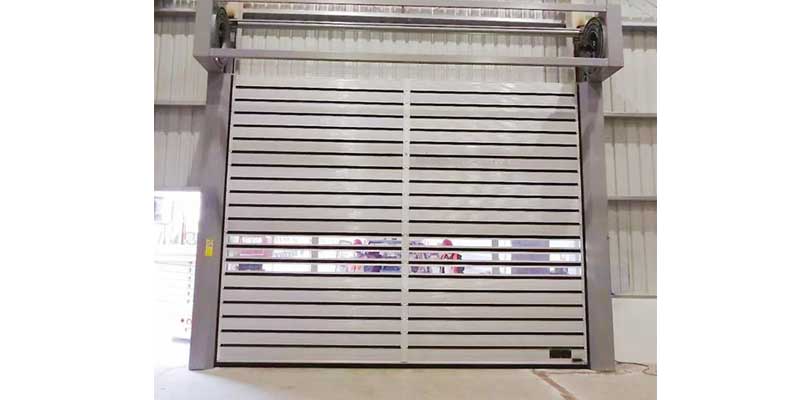
Avians High-Speed Metallic Spiral Door for Efficiency and Safety
This innovative door combines the swiftness of high-speed doors with the robustness of metal rolling shutters, featuring insulation for added efficiency.
Read moreOther Industrial Products
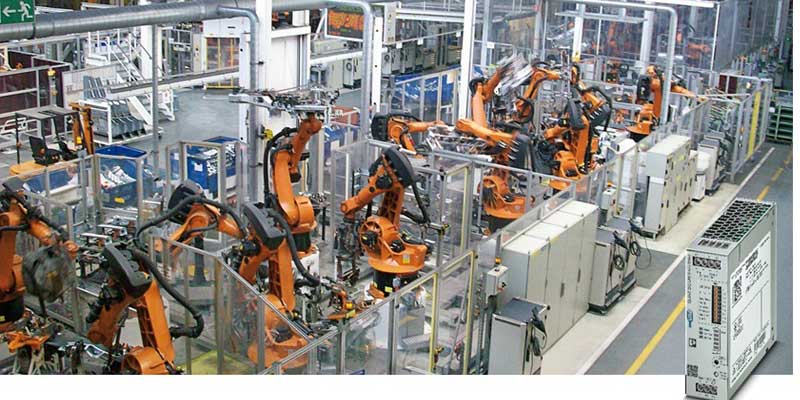
Phoenix Contact's QUINT4- DC UPS engineered for industrial automation & robotics
QUINT4?UPS is an intelligent uninterruptible power supply solution designed to ensure continuous system operation in industrial automation, robotics, and test & measurement systems.
Read moreRelated Products
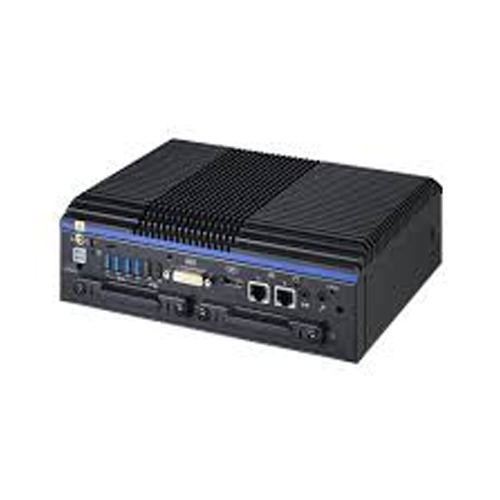
Fanless Industrial Pc for Smart Manufacturing
Smart Manufacturing
CONTEC Launches BX-M4600 Series - Fanless Industrial PC for Smart Manufacturing.
latest News
Subscribe to iNoW

For Industry News on WhatsApp, Give a Miss Call on: +91 84228 74016