






Schedule a Call Back


West Asia war is impacting India's engineering exports: Pankaj Chadha
 Interviews
- May 08,26
While India’s engineering goods exports are expected to grow by 5 per cent in FY26 over previous year, the West Asia conflict has significantly impacted outbound shipments, says Pankaj Chadha, Chairman, EEPC India, in this exclusive interview with Rakesh Rao.
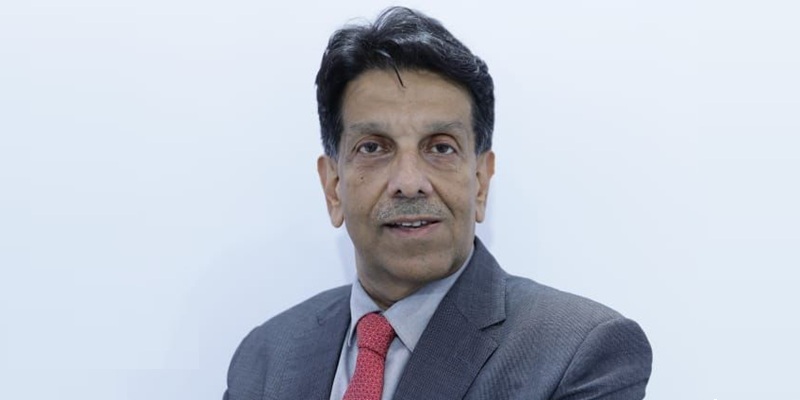
India’s engineering exports have demonstrated resilience amid geopolitical volatility, tariff pressures, and supply chain disruptions. Diversification into new markets and proactive policy engagement have enabled steady growth despite challenges in key regions such as North America and West Asia. In this interaction with Rakesh Rao, Pankaj Chadha, Chairman, EEPC India (formerly known as Engineering Export Promotion Council of India), highlights how the country is strengthening its position as a reliable global sourcing hub.
How does EEPC India act as a bridge between exporters and the government?
EEPC India operates on two key fronts—market development and policy advocacy. On the market development side, the council organises buyer-seller meets, facilitates participation in international trade fairs, and enables Indian MSMEs to access global markets. It also provides timely information to members regarding global trade developments, including tariffs, anti-dumping duties, and regulatory changes.
On the policy front, EEPC India actively engages with various government departments, particularly the Ministry of Commerce and Industry, to address industry concerns and advocate for favourable trade policies. The council plays a significant role in shaping India’s stance in Free Trade Agreement (FTA) negotiations, identifying both offensive and defensive interests. Additionally, it works continuously to resolve operational challenges faced by exporters.
It is important to note that around 70 per cent of EEPC India’s members are MSMEs, which contribute nearly 45 per cent of India’s exports, making their support critical to overall export performance.
How has been engineering exports performed in FY26?
EEPC India is the country’s largest export promotion council for engineering goods, accounting for approximately 28–29 per cent of India’s total merchandise exports. Engineering exports are expected to reach around $120–122 billion in FY26, compared to $116 billion in FY25, reflecting a growth of nearly 5 per cent despite a challenging global environment. This growth has been achieved amid significant geopolitical disruptions, including tariff-related barriers, sectoral duties, quota restrictions in Europe, and instability in West Asia. While these factors have created headwinds, India’s engineering sector has demonstrated resilience and adaptability.
What factors have driven export growth despite global challenges?
One of the key drivers has been market diversification. Following initial disruptions in April 2025, particularly due to tariff uncertainties in the US—India’s largest export destination—exporters began actively exploring new markets. There has been a concerted effort to expand into regions such as Latin America and other non-traditional markets. While these markets present challenges in terms of distance, standards, and competition (especially from China), this strategic shift has helped offset stagnation in traditional markets.
Although exports to North America have remained largely stable, the diversification strategy has enabled overall growth of approximately 5 per cent, highlighting the importance of de-risking export dependencies.
What impact do Free Trade Agreements (FTAs) have on engineering exports?
Among the ongoing and recent FTAs, the India–UK agreement is expected to deliver tangible benefits in the near term. Other agreements, such as those with Oman and the European Union, are still under negotiation or in the finalisation stage. The India–EU FTA, once concluded, is likely to open significant opportunities, although its impact will only be realised after the agreement is finalised and implemented. Typically, exporters require clarity on tariff structures and regulatory frameworks before scaling operations in new markets. Overall, FTAs are expected to enhance market access, improve competitiveness, and provide long-term growth opportunities for Indian engineering exports.
How have geopolitical developments affected export performance?
Geopolitical tensions in West Asia have had a significant impact on exports, especially due to disruptions in key shipping routes. The region accounts for approximately 16 per cent of India’s engineering exports, and recent conflicts have severely affected trade flows. For instance, exports routed through the UAE—India’s second-largest export destination—have been disrupted, as a substantial portion of these exports is further re-exported to countries such as Iran. Given existing sanctions and logistical challenges, this segment has been particularly impacted.
In the short term, such disruptions are expected to lead to a noticeable decline in exports, although recovery will depend on the normalisation of geopolitical conditions.
Are Indian exporters showing increased interest in European markets in anticipation of the India–EU FTA?
While there is definite interest in expanding into European markets, exporters are currently adopting a cautious approach. The India–EU FTA is still undergoing negotiations and legal finalisation. Once the agreement is signed and detailed provisions are clarified, exporters are likely to accelerate their efforts to enter and expand within the European market. Typically, this process may take several months post-signing as businesses align their strategies with the new trade framework.
How can India better leverage the Japanese market under the existing CEPA?
The Japanese market presents both challenges and opportunities. It is a highly conservative and quality-driven market, where domestic products are often preferred, even at higher prices. However, once a supplier establishes credibility and enters the system, Japan offers stable demand and premium pricing. The key lies in meeting stringent quality standards and building long-term trust with customers.
What policy measures would further support export growth?
The government has been proactive in addressing export-related issues; however, there is a need for continued responsiveness to operational challenges faced by exporters. Given the current global uncertainties, policy flexibility and timely intervention will be critical. Exporters are navigating an unusually complex environment, and sustained government support will be essential in maintaining growth momentum.
What message would you like to share with global companies sourcing from India?
India offers a compelling value proposition to global buyers, combining quality, cost competitiveness, and reliability. The country has a robust industrial base supported by a stable political environment, ensuring consistency in supply. This makes India a dependable sourcing destination for engineering goods, particularly for companies seeking long-term partnerships and supply chain stability.
What is your outlook for FY27?
The outlook for FY27 remains cautiously optimistic, contingent on geopolitical stability. If current conflicts do not escalate further and normalisation occurs within a reasonable timeframe, exports are expected to grow, supported by FTAs and ongoing diversification efforts.
However, the first quarter of FY27 will be critical in determining the trajectory for the rest of the year. Any escalation in geopolitical tensions could significantly alter the outlook.
Pankaj Chadha
EEPC India
Engineering Exports
global Trade
Export Diversification
Free Trade Agreements
MSME Exports
Supply Chain Disruptions
Rakesh Rao
Geopolitical Impact
Related Stories
Electrical & Electronics

Global Electronics Association Launches Policy Council
The new council will coordinate global advocacy across the electronics supply chain amid tariff, export control and investment pressures.
Read moreAutomation & Robotics
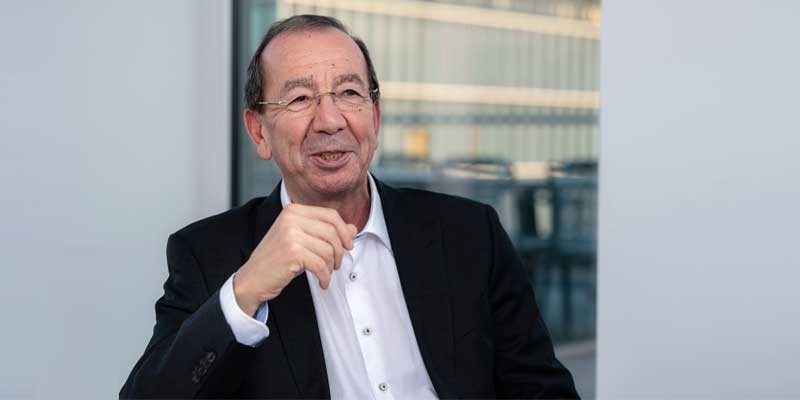
India plays a central role in Eplan´s strategy: Haluk Menderes
In this interview with Rakesh Rao, Haluk Menderes, MD, Eplan GmbH & Co KG, outlined the company’s strategic focus on innovation, automation, and seamless customer experience
Read moreAutomation & Robotics

India is a key for Stefanini Group’s growth strategy in Asia: Marco Stefanini
During interaction with Rakesh Rao, Marco Stefanini, Founder & Global CEO of Stefanini Group, outlines the company’s strategic approach to digital transformation in manufacturing and its global ex..
Read moreRelated Products
latest News
Subscribe to iNoW

For Industry News on WhatsApp, Give a Miss Call on: +91 84228 74016