








Schedule a Call Back




Expanding Industrial Base Pushes Lubes Demand
 Articles
- Jan 31,26
The global industrial lubricants market is expected to rise from 22.82 billion litres in 2025 to 23.61 billion litres in 2026, reaching 27.95 billion litres by 2031, according to Mordor Intelligence. India’s manufacturing, infrastructure, and renewable energy push is reshaping industrial lubricant demand.
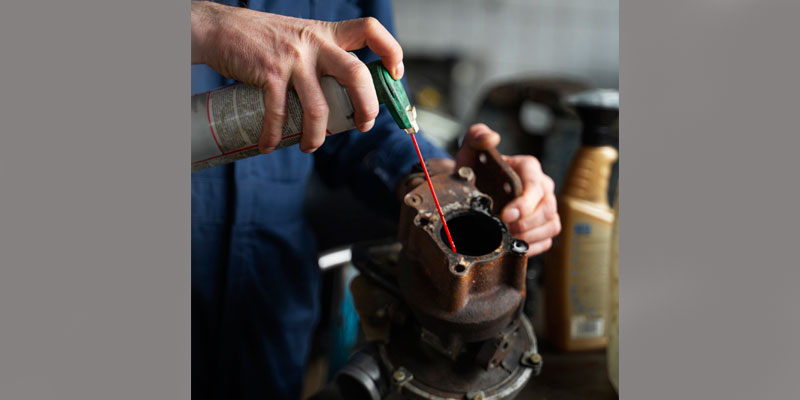
Industrial lubricants play a far broader role than simply reducing friction between moving parts. In modern manufacturing and infrastructure systems, lubricants also function as heat transfer media, sealing agents, corrosion inhibitors, and enablers of equipment reliability. Available in liquid, semi-solid, dry, and even gaseous forms, industrial lubricants underpin the performance of machinery across sectors ranging from power generation and mining to electronics, automotive manufacturing, and renewable energy.
According to Mordor Intelligence, the global industrial lubricants market is undergoing a gradual but meaningful transformation. Volumes are expected to rise from 22.82 billion litres in 2025 to 23.61 billion litres in 2026, reaching 27.95 billion litres by 2031. This translates into a compound annual growth rate of 3.44 per cent over 2026–2031. While the growth rate appears moderate, the underlying shift is significant: the market is steadily moving away from bulk commodity oils towards high-performance, application-specific fluids designed to maximise uptime, energy efficiency, and lifecycle value.
Within this evolving landscape, India is emerging as one of the most influential growth engines, driven by infrastructure expansion, manufacturing localisation, renewable energy deployment, and rising quality expectations across industrial users.
India’s manufacturing drives momentum
India’s industrial lubricants demand is closely linked to its accelerating manufacturing and infrastructure agenda. Large-scale investments in roads, railways, ports, mining, cement, steel, and power generation are expanding the installed base of heavy equipment that requires reliable lubrication under harsh operating conditions. Excavators, haul trucks, crushers, and mills operating in dust-intensive environments place continuous stress on engines, hydraulics, gears, and bearings, driving steady consumption of industrial lubricants.
At the same time, India’s push towards advanced manufacturing—supported by Production Linked Incentive (PLI) schemes in electronics, automotive components, and renewable energy—has increased demand for higher-specification lubricants. Automated production lines, precision machining centres, and robotics require fluids with tighter viscosity control, improved thermal stability, and compatibility with sensors used in predictive maintenance systems.
As Indian manufacturers increasingly integrate Industry 4.0 technologies, lubrication is no longer treated as a consumable expense but as a strategic input that influences productivity, downtime, and asset life.
India’s renewable energy expansion, particularly in wind power, is reshaping lubricant demand patterns. Wind turbines require specialised gearbox oils capable of withstanding fluctuating loads, wide temperature variations, and long service intervals. Standard industrial oils are often inadequate for these applications, leading developers to specify synthetic formulations fortified with advanced anti-wear and corrosion-inhibiting additives.
Globally, wind turbines are increasing in size and capacity, with multi-megawatt installations consuming several hundred litres of gearbox oil per service cycle. In India, where wind farms are often located in remote or coastal regions, extended drain intervals and water-separation performance are critical to reducing maintenance costs and minimising downtime. These requirements are accelerating the adoption of ISO VG 320–460 synthetic oils, directly benefiting premium segments of the industrial lubricants market.
Shift towards synthetic
A defining trend within India’s industrial lubricants market is the gradual transition from conventional mineral oils to synthetic and semi-synthetic alternatives. Industrial operators facing skilled labour shortages and rising maintenance costs increasingly favour long-drain lubricants that can operate for 8,000 to 12,000 hours, compared with 2,000 to 4,000 hours for traditional mineral grades.
Synthetic base oils, particularly Group III and polyalphaolefin (PAO) formulations, offer superior oxidation stability and resistance to sludge formation, even at elevated operating temperatures. In Indian cement plants, textile mills, and steel facilities—where equipment often runs continuously—semi-synthetic oils are gaining popularity as a cost-effective compromise between performance and affordability.
Extended oil drain intervals also support sustainability objectives by reducing waste oil generation by up to 70 per cent. This aligns with India’s tightening environmental norms and growing emphasis on resource efficiency across industrial operations.
Automation raises performance expectations
The adoption of automation and smart manufacturing technologies is intensifying lubrication requirements across Indian factories. High-speed machinery generates greater heat and mechanical stress, demanding lubricants with consistent viscosity behaviour and minimal interaction with electronic sensors.
Automated lubrication systems, increasingly used in Indian automotive and electronics plants, dispense precise quantities of oil or grease based on real-time operating data. These systems can reduce lubricant consumption by 30–40 per cent while improving equipment uptime. However, they also require fluids with stable additive chemistry that does not interfere with vibration sensors, magnetic debris monitors, or infrared condition-monitoring systems.
Artificial intelligence-driven maintenance platforms are further influencing lubricant selection, as formulations must be compatible with predictive algorithms that assess wear patterns and thermal performance. This trend is pushing suppliers operating in India to invest in modular additive systems and application-specific formulations.
Infrastructure development remains one of the strongest drivers of industrial lubricant consumption in India. Large mining operations, road construction projects, and urban infrastructure upgrades rely on heavy-duty machinery operating under abrasive conditions. Hydraulic fluids with enhanced film strength, zinc-free formulations compatible with modern emission systems, and biodegradable greases for environmentally sensitive areas are increasingly specified by equipment manufacturers and project owners.
In mining applications, high-load greases formulated with calcium sulphonate complexes are used to protect components subjected to extreme pressure and shock loads. Service intervals of 1,000 operating hours are becoming standard practice, reflecting the need to minimise downtime in remote locations. These requirements ensure sustained demand for medium-viscosity hydraulic and gear oils across India’s expanding infrastructure footprint.
Regulatory pressures and base oil volatility
Environmental regulations are reshaping the industrial lubricants market globally and in India. The gradual phase-out of certain additive chemistries, including PFAS-related compounds, is forcing lubricant producers to reformulate long-established products. Compliance with evolving waste-oil management and spill-prevention rules is increasing costs for both suppliers and end users.
Base oil price volatility adds another layer of complexity. Fluctuations in Group II and Group III base stock prices, driven by refinery outages and geopolitical factors, can compress margins for lubricant blenders operating in India. While integrated oil companies can offset volatility through upstream integration, independent formulators face higher working-capital requirements and pricing pressure.
Despite these challenges, regulatory tightening is also creating opportunities for premium, compliant lubricants that deliver higher margins and stronger customer loyalty.
Hydraulic fluids gain ground
Engine oils continue to account for a significant share of industrial lubricant volumes, supporting generators, compressors, and stationary engines across Indian industries. However, growth is moderating as equipment efficiency improves and gas-based power systems gain traction.
Hydraulic and transmission fluids are emerging as faster-growing segments, supported by rising automation, renewable energy installations, and precision manufacturing. Metalworking fluids also benefit from investments in machine tools and advanced manufacturing clusters across India.
On the end-user side, heavy equipment remains the largest consumer, while power generation is the fastest-growing segment. Wind turbines and gas-engine plants supporting grid stability are expanding demand for high-performance lubricants with extended service life.
Looking ahead, the industrial lubricants market is set to remain resilient, supported by India’s expanding manufacturing base, infrastructure investments, and growing emphasis on equipment reliability. As industries move towards automation, cleaner technologies, and longer service cycles, lubricant demand will increasingly favour high-performance and application-specific solutions. Regulatory pressures and sustainability goals will continue to reshape formulations, pushing suppliers to innovate and localise offerings for Indian operating conditions. Together, these shifts position India not just as a growth market, but as a key influencer in the global evolution of industrial lubricants.
Article Courtesy: Mordor Intelligence
Industrial lubricants
India manufacturing
synthetic lubricants
infrastructure equipment
renewable energy
Industry 4.0
hydraulic fluids
supply chain
Related Stories
Chemicals, Lubricants & Raw Material

Gulf Oil Strengthens Construction Focus with ACE, Ammann and XCMG Tie-ups
Gulf Oil Lubricants India has announced strategic OEM partnerships with ACE, Ammann India and XCMG to expand its construction equipment lubricant portfolio and strengthen its infrastructure presence..
Read morePolicy Regulation

India-EU FTA: How Will the ‘Mother of All Deals’ Affect Indian Industries?
The India-EU FTA offers India significant scope to expand goods and services exports through duty reductions and improved market access, though gains may initially favour the EU, writes R Jayaraman.
Read moreChemicals, Lubricants & Raw Material
Expanding Industrial Base Pushes Lubes Demand
The global industrial lubricants market is expected to rise from 22.82 billion litres in 2025 to 23.61 billion litres in 2026, reaching 27.95 billion litres by 2031, according to Mordor Intelligence..
Read moreRelated Products
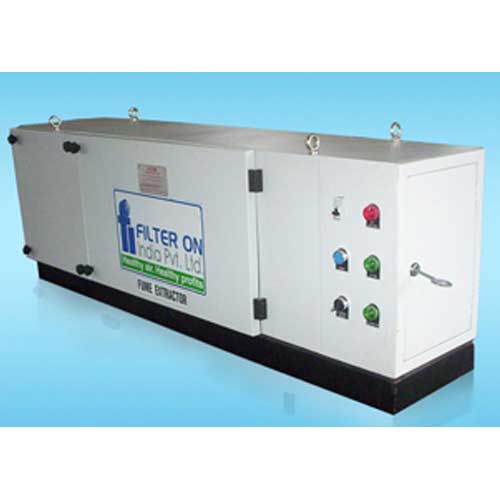
Oil Mist Collector System / Oil Fumes Extraction Systems
OILS, LUBRICANTS & FILTRATION SYSTEMS
Amaricar Engineering & Systems Pvt Ltd offers a wide range of oil mist collector system / oil fumes extraction systems.
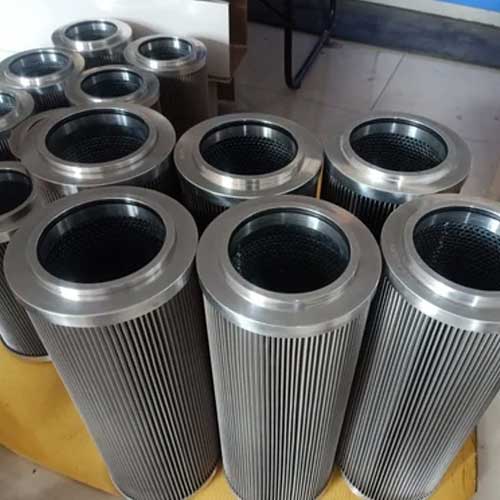
Stainless Steel Hydraulic Oil Filters
OILS, LUBRICANTS & FILTRATION SYSTEMS
M T B Filter Industries offers a wide range of stainless steel hydraulic oil filters.
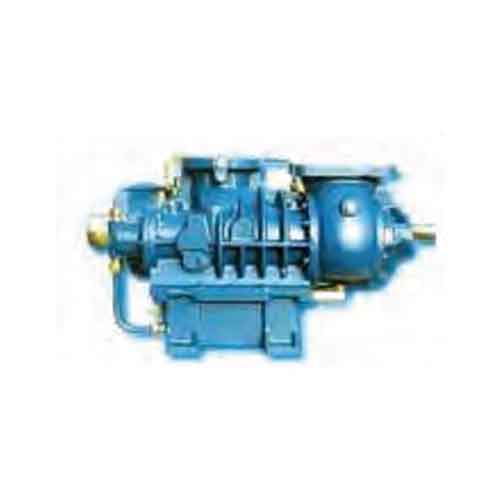
Mak Compressor Oils
OILS, LUBRICANTS & FILTRATION SYSTEMS
Interstate Supply Company offers a wide range of MAK compressor oils.
latest News
Subscribe to iNoW

For Industry News on WhatsApp, Give a Miss Call on: +91 84228 74016