





Schedule a Call Back


Automation to drive India’s manufacturing future: Dr Sanjeev Srivastava
 Articles
- May 21,26
In this interview with Rakesh Rao, Dr Sanjeev Srivastava, Head Industrial Automation, Delta Electronics India Pvt Ltd, highlights the changing dynamics of Indian manufacturing sector and growing importance of automation
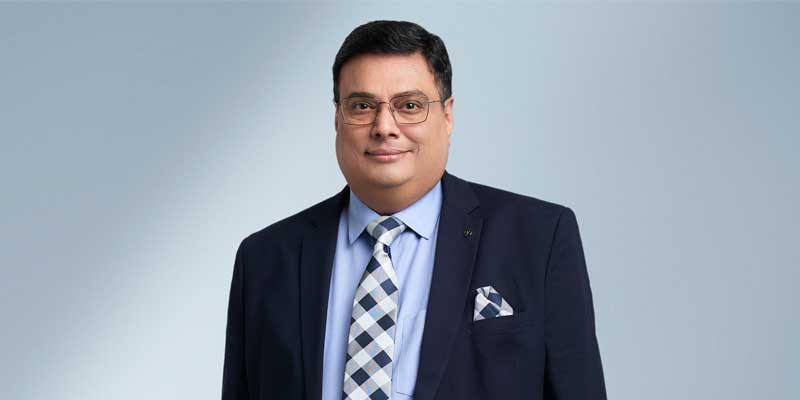
India's manufacturing sector is undergoing a transformative growth phase, with automation, robotics, and Industry 4.0 technologies driving efficiency across industries. Supporting this transformation is Delta Electronics with its wide range of automation products and solutions. In this interview with Rakesh Rao, Dr Sanjeev Srivastava, Head Industrial Automation, Delta Electronics India Pvt Ltd, shares insights on the company's strategies to support India's next-generation manufacturing ecosystem.
How is Delta Electronics serving customers in India?
Delta Electronics, headquartered in Taiwan, was founded in 1971, initially focusing on power electronics. Over the decades, the company has expanded into industrial automation, building automation, EV charging, mobility solutions, and the data centre sector. In India, we have grown significantly, offering solutions ranging from UPS and telecom power systems to industrial automation products. Our portfolio now spans drives, PLCs, human-machine interfaces, sensors, meters, motion control systems, and robotics, along with integrated software solutions such as SCADA and Industrial EMS.
How has manufacturing evolved in India over the past few years, and what trends do you foresee?
Manufacturing in India is experiencing an acceleration similar to what the US witnessed in the 1980s and China in the early 2000s. Having contributed only around 15 per cent to GDP a few years ago, manufacturing now represents a growing segment of India's economy, which is poised to become the third largest in the world within the next 2.5 to 3 years, with a projected GDP of approximately $ 7.3 trillion by 2030. India has become the second-largest exporter of mobile phones, is advancing in defense production, and ranks among the top three countries in renewable energy, including wind and solar. The expansion of infrastructure, such as bridges, tunnels, and high-speed trains, has increased the demand for steel, cement, and other construction materials. Robotics and collaborative automation are increasingly being adopted, driven by both large industries and small and medium-sized enterprises (SMEs). Government initiatives such as Skill India and collaborations with engineering institutions are preparing a future-ready workforce.
How does India compare to other emerging manufacturing countries in terms of automation adoption?
India's ecosystem is developing rapidly, and foreign direct investment (FDI) is increasing steadily. Policies like 'Make in India' encourage domestic production for local and export markets, creating opportunities across automotive, defense, and electronics sectors. Compared to Vietnam and other emerging markets, India benefits from a robust supply chain and a clear government vision to strengthen industrial self-reliance. These initiatives support automation growth, as businesses seek productivity improvements and operational efficiency.
How is the demand evolving for your products and solutions?
Any manufacturing unit requires electricity, motors, and drives as its foundation. Beyond these building blocks, modern manufacturing demands data acquisition, communication between devices, and intelligent data interpretation. Predictive maintenance is a prime example: by integrating hardware with software, we can monitor motor temperature trends, anticipate failures, and schedule maintenance without halting production. This evolution from reactive to preventive to predictive maintenance enhances efficiency. Robotics, vision systems, and automation solutions are being deployed across multiple applications to further increase productivity.
How are collaborative robots (cobots) being adopted in India, particularly by SMEs?
Collaborative robots are gaining traction where human-machine interaction is essential. They complement industrial robots such as articulated and SCARA robots, expanding automation possibilities. SMEs are gradually investing in robots despite cost considerations, recognising the long-term benefits in addressing labor shortages and boosting productivity. System integrators play a crucial role in supplying robotics and related automation equipment to SMEs, helping them transition towards higher levels of automation.
Which industry segments are poised for higher demand in automation over the next few years?
The electronics and electrical sectors are expected to see significant growth, particularly semiconductors, which are currently in the investment phase but will require substantial automation in the coming years. Automotive, pharmaceutical, food and beverage industries are also increasingly adopting automation to enhance efficiency, quality, and scalability. Overall, automation is becoming integral across both traditional and emerging sectors.
What is your outlook for India's manufacturing and automation industry?
The next five to six years present an exciting period for India. We are witnessing global supply chains shifting production to India, including high-quality products in consumer goods, toys, and other categories. This transition from net importer to exporter reflects India's growing capabilities in delivering world-class products. Delta Electronics India is preparing to introduce new solutions and products tailored for the Indian market, with a pipeline that spans annual and quarterly launches. Additionally, we are engaging with educational institutions and government's skill development programmes to upskill ITI and engineering students, ensuring the workforce is aligned with industry needs.
How does Delta collaborate with institutions and government initiatives?
Delta is actively involved in programmes that bridge the gap between industry and academia. By working with ITIs and engineering colleges, we ensure that students are trained on relevant technologies, preparing them for future roles in manufacturing and automation. This alignment between institutional curriculum and industry demand is vital to creating a competent, future-ready workforce.
Any plans to introduce new products specific to India?
While details remain confidential at this stage, Delta has several solutions in the pipeline that will be rolled out over time for the Indian market. These innovations span hardware and software, aimed at enhancing automation capabilities, improving predictive maintenance, and integrating robotics for smarter manufacturing. Our focus remains on providing end-to-end solutions that empower manufacturers to enhance productivity, reduce downtime, and achieve operational excellence.
How is Delta addressing the need for data-driven manufacturing?
Industrial operations increasingly depend on data, not just for collection but for actionable insights. Delta's solutions integrate sensors, drives, SCADA systems, and analytics platforms, enabling predictive maintenance and process optimisation. This approach ensures manufacturing units operate efficiently, reduces unplanned downtime, and enhances return on investment.
Your final thoughts on the evolution of automation in India.
Automation in India is transitioning from reactive and preventive approaches to predictive, data-driven strategies. The adoption of robotics, collaborative systems, and integrated software platforms is accelerating, supported by government initiatives, industrial demand, and the growing capabilities of SMEs. The country is poised for significant growth in manufacturing efficiency, quality, and competitiveness, and Delta Electronics India is committed to enabling this transformation.
Sanjeev Srivastava
Delta Electronics
Industrial Automation
Robotics
Predictive Maintenance
SMEs
Industry 4.0
Manufacturing India
Electronics Sector
Automation Solutions
Rakesh Rao
Taiwan
Related Stories
Electrical & Electronics
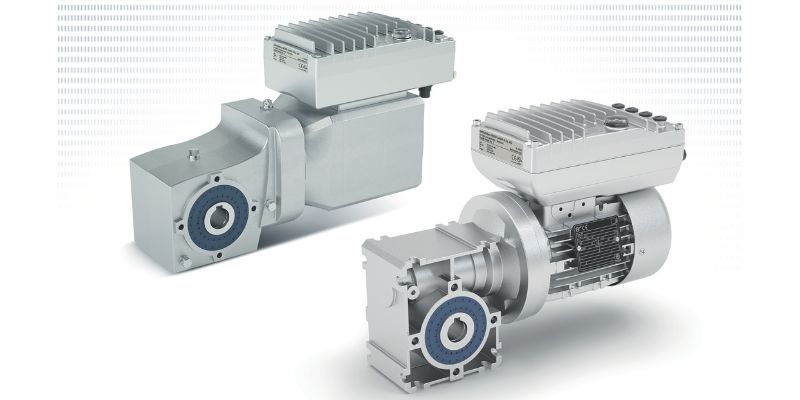
Nordac On Gains Expanded Functional Safety for Automation
Nord Drivesystems has expanded the Nordac On inverter with new safe motion functions for improved control and monitoring in automated production environments.
Read moreAutomation & Robotics
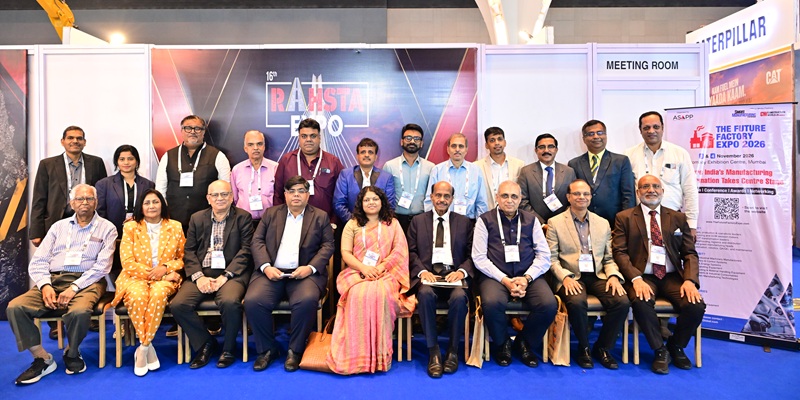
Future Factory Expo CXO Roundtable Charts Smart Transformation for SMEs
During the roundtable, hosted by Smart Manufacturing & Enterprises (SM&E) and The Future Factory Expo 2026, industry leaders outlined how SMEs can use practical digitisation, automation, skilling an..
Read moreAutomation & Robotics
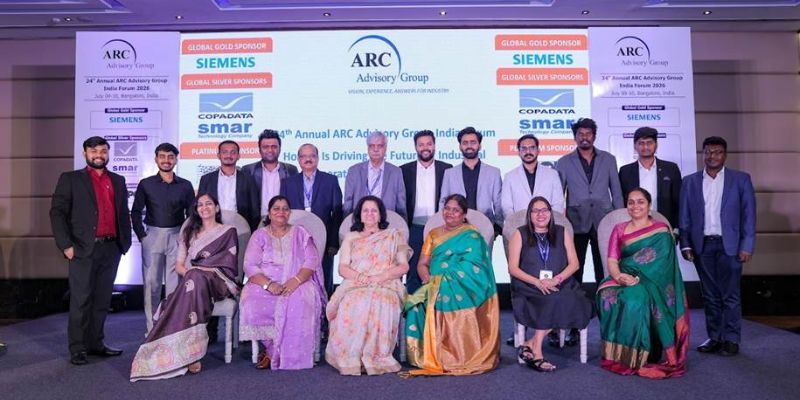
ARC India Forum Spotlights AI-Led Industrial Transformation
ARC Advisory Group’s 24th India Forum brought together 300-plus leaders to examine how AI is transforming industrial operations, manufacturing and supply chains.
Read moreRelated Products
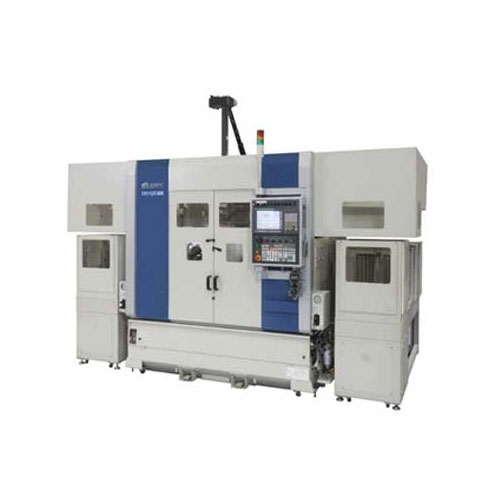
Compact Fmc - Motorum 3048tg With Fs2512
INDUSTRIAL AUTOMATION & TECHNOLOGY CONSULTANCY
Meiban Engineering Technologies Pvt Ltd offers a wide range of Compact FMC - Motorum 3048TG with FS2512.
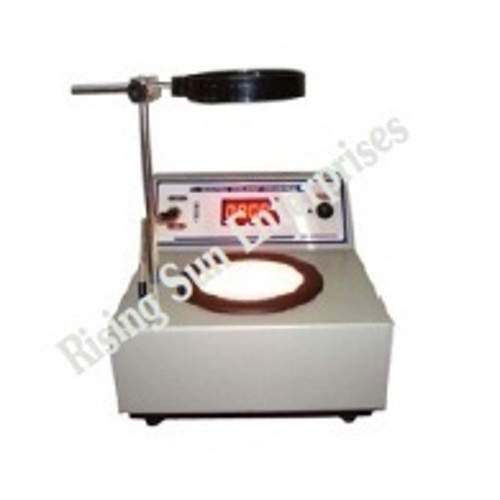
Digital Colony Counter
INDUSTRIAL AUTOMATION & TECHNOLOGY CONSULTANCY
Rising Sun Enterprises supplies digital colony counter.

Robotic Welding SPM
INDUSTRIAL AUTOMATION & TECHNOLOGY CONSULTANCY
Primo Automation Systems Pvt. Ltd. manufactures, supplies and exports robotic welding SPM.
latest News
Subscribe to iNoW

For Industry News on WhatsApp, Give a Miss Call on: +91 84228 74016