





Schedule a Call Back


Fluid Tech to Evolve Into a Driver of Sustainable Cooling: O’Neil Pinto
 Articles
- Dec 01,25
In this interview, O’Neil Pinto, Vice President, Lubrizol Fluid Engineering, discusses how advanced fluid technologies are shaping smarter, sustainable refrigeration and thermal management systems

To begin, could you give us an overview of Lubrizol Fluid Engineering and its core areas of focus?
Lubrizol Fluid Engineering (LFE) is a specialised business within Lubrizol, dedicated to advancing lubrication and thermal management solutions for refrigeration and industrial applications. With over five decades of proven chemistry expertise, LFE combines global technology leadership, OEM trust, and customer-centric innovation to deliver solutions that power essential systems across industries.
Our technologies serve sectors that impact everyday life from keeping food fresh and medicines safe to enabling sustainable industrial processes. LFE’s portfolio spans:
Refrigeration: Comprehensive solutions for HVACR systems, cold chain logistics, and commercial refrigeration, ensuring energy efficiency and reliability.
Thermal management: Advanced heat transfer technologies for automotive, electronics, and industrial systems where precision and safety are critical.
Industrial applications: Specialised lubricants for air and gas compressors that enhance durability, reduce wear, and improve energy efficiency.
Beyond products, LFE acts as a strategic partner through technical training, private label capabilities, and one of the industry’s most extensive fluid monitoring programs analysing nearly 100,000 samples annually to deliver actionable insights that prevent failures and optimise performance.
Sustainability is at the heart of LFE’s mission. We enable the transition to low-global-warming potential (GWP) refrigerants, optimise cold chain performance to reduce food waste, and drive energy efficiency across systems. Every innovation is designed to balance performance with environmental responsibility, supporting Lubrizol’s broader climate targets and helping the modern world work better.
In essence, LFE is more than a supplier of high performance fluids it is a catalyst for innovation, reliability, and sustainablity in global markets.
Lubrizol Fluid Engineering is known for its strong R&D foundation. How is your team leveraging technology, advanced formulation science, and innovation to develop next-generation fluid solutions for industrial and energy systems?
At Lubrizol Fluid Engineering (LFE), research and development is the cornerstone of our value proposition. We combine deep chemistry expertise with advanced testing capabilities to create solutions that meet the evolving demands of modern industrial and energy systems. Our approach focuses on three key pillars:
1. Advanced formulation science: We continuously innovate lubricant and thermal management technologies to deliver superior performance under extreme operating conditions. This includes developing fluids compatible with next-generation refrigerants such as HFOs, CO?, hydrocarbons, and ammonia supporting the global transition to low-GWP systems.
2. Digital integration and predictive insights: Through one of the industry’s most extensive fluid monitoring programs, analysing nearly 100,000 samples annually, we leverage data-driven insights to predict system behaviour, prevent failures, and optimise efficiency. These insights feed back into our R&D process, enabling faster innovation cycles and tailored solutions for diverse applications.
3. Sustainability embedded in design: Every new product undergoes rigorous life cycle assessments to ensure environmental responsibility. We are exploring bio-based and biodegradable materials and engineering fluids that reduce energy consumption and extend equipment life thus helping customers achieve their sustainability goals while improving operational reliability.
By combining global technical strength with localised innovation through our Technology and Innovation Centers, LFE is shaping the future of industrial and energy systems with solutions that are efficient, sustainable, and future-ready.
With refrigeration, air conditioning, and energy management systems becoming smarter and more efficient, how do you see fluid technology keeping pace with this transformation, particularly in terms of performance and sustainability?
The transformation in refrigeration and HVAC systems is being accelerated by two major forces: government-led sustainability mandates and growing regional demand for long-term, heavy-duty cooling infrastructure. In markets like India and the Middle East, policies such as India’s Cooling Action Plan and global Kigali Amendment commitments are driving adoption of low-GWP refrigerants and energy-efficient technologies. This shift requires fluid solutions that are not only high-performing but also future-ready.
Lubrizol Fluid Engineering (LFE) is addressing these challenges through next-generation lubricant and thermal management technologies designed for advanced compressors and heat transfer systems. These systems operate under higher pressures, tighter tolerances, and often use new refrigerant chemistries such as HFOs, CO?, hydrocarbons, and ammonia. Our Emkarate® RL range and other specialised fluids ensure compatibility with these refrigerants while delivering superior wear protection, thermal stability, and energy efficiency.
Additionally, the region’s surge in cold chain infrastructure—driven by food security, pharmaceutical logistics, and industrial modernisation—demands solutions that guarantee reliability over extended operating cycles. LFE integrates predictive fluid monitoring and data analytics to optimise performance and prevent failures, which is critical for large-scale, mission-critical cooling systems.
By embedding sustainability into design and leveraging advanced chemistry and digital intelligence, LFE ensures fluid technology is not just keeping pace but enabling the transition to smarter, more resilient and more sustainable cooling ecosystems across IMEA.
How does Lubrizol work with OEMs and system designers to ensure its fluid technologies remain compatible with evolving operational demands in refrigeration, industrial compressor platforms, and advanced thermal management applications?
Collaboration is at the core of Lubrizol Fluid Engineering’s (LFE) strategy to lead the industry forward. As systems become more complex and sustainability regulations tighten, we work hand-in-hand with OEMs, compressor manufacturers, system builders, and regulatory bodies to co-create solutions that meet both current and future operational demands.
Strategic partnerships with OEMs and system designers: We engage early in the design process to ensure our fluids are optimised for next-generation architectures. This includes compatibility with low-GWP refrigerants mandated by global agreements like the Kigali Amendment and regional initiatives such as India’s Cooling Action Plan. By aligning with OEM roadmaps, we help accelerate the adoption of sustainable technologies without compromising performance.
Joint development and industry leadership: LFE participates in collaborative R&D programs with leading compressor manufacturers and system builders to validate fluid performance under extreme conditions. These partnerships allow us to anticipate emerging requirements such as higher operating pressures, tighter tolerances, and advanced thermal management needs in industrial and energy systems.
Engagement with regulatory and standards bodies: We actively contribute to industry forums and regulatory committees to shape standards for refrigerant compatibility, energy efficiency, and environmental safety. This ensures our solutions not only comply but set benchmarks for sustainability and reliability.
Through these collaborations, LFE is not just responding to change—it is helping define the future of refrigeration and industrial fluid technology by combining chemistry innovation with industry-wide partnerships.
As environmental regulations tighten and pressure increases to reduce carbon footprints, what key innovations or strategies are being adopted in the fluid engineering industry to balance high performance with sustainability?
The fluid engineering industry is undergoing a fundamental shift to align with global climate goals and stringent environmental regulations. At Lubrizol Fluid Engineering (LFE), our strategy combines advanced chemistry, regulatory compliance, and system-level innovation to deliver solutions that meet performance demands while reducing environmental impact. Key areas include:
Transition to low GWP refrigerants: Global agreements like the Kigali Amendment and national initiatives such as India’s Cooling Action Plan are accelerating the move toward refrigerants with lower global warming potential. LFE’s Emkarate® RL range and other advanced lubricants are engineered for compatibility with HFOs, CO?, hydrocarbons, and ammonia, ensuring seamless adoption of sustainable cooling technologies.
Energy efficiency and system optimisation: Our fluids are designed to reduce friction, improve thermal stability, and enhance compressor efficiency, directly lowering energy consumption. This is critical for large scale refrigeration and HVAC systems that operate continuously in industrial and cold chain applications.
Sustainable material innovation: Our teams are continuously evaluating innovative material solutions and conducting life cycle assessments to enhance sustainability, while ensuring our formulations meet stringent performance and safety standards.
Collaborative industry leadership: LFE works closely with OEMs, compressor manufacturers, and regulatory bodies to co-develop solutions that meet evolving standards for energy efficiency and emissions. These partnerships ensure that our innovations not only comply but set benchmarks for sustainability.
What initiatives is Lubrizol undertaking to improve sustainability across its fluid engineering portfolio, addressing both formulation and end-to-end lifecycle impact?
Lubrizol Fluid Engineering (LFE) embeds sustainability into every stage of product development, from formulation science to lifecycle management. Our approach is comprehensive and aligned with global climate goals and regional sustainability mandates. Key steps include:
Formulation for low environmental impact: We design fluids that enable compatibility with low GWP refrigerants such as HFOs, CO?, hydrocarbons, and ammonia, supporting the industry’s transition to climate-friendly cooling technologies. Our Emkarate® RL range exemplifies this commitment by delivering high performance while reducing greenhouse gas emissions.
Energy efficiency and extended equipment life: By engineering lubricants and thermal fluids that minimise friction and improve thermal stability, we help systems operate more efficiently and reliably. This reduces energy consumption and extends equipment life, lowering the overall carbon footprint of industrial and refrigeration systems.
Circularity and waste reduction: LFE promotes responsible disposal and recycling practices through customer education and partnerships. Our fluid monitoring programs also help optimise fluid usage, reducing waste and improving operational efficiency.
Alignment with global and regional climate goals: Lubrizol has committed to reducing Scope 1 and 2 greenhouse gas emissions by 20 percent by 2030. LFE’s innovations directly support these targets while enabling customers to meet their own sustainability objectives.
By integrating sustainability into chemistry, system design, and lifecycle management, LFE ensures that every solution delivers both operational excellence and environmental stewardship.
In the coming years, what emerging trends and operational challenges do you believe will shape the fluid requirements of next-generation cold storage and heat-transfer systems?
The next decade will bring significant changes to cold storage and heat transfer systems driven by stricter global and regional efficiency standards, sustainability mandates, and the need for operational resilience. These shifts will directly influence fluid requirements in several ways:
Compatibility with low GWP refrigerants: Regulatory frameworks such as the Kigali Amendment and India’s Cooling Action Plan are accelerating the adoption of refrigerants with lower global warming potential. Fluids must deliver exceptional lubricity and thermal stability while ensuring chemical compatibility with HFOs, CO?, hydrocarbons, and ammonia, each presenting unique challenges in terms of miscibility and material interaction.
High pressure and high density system demands: Next generation compressors and heat exchangers will operate at higher pressures and tighter tolerances to achieve improved energy efficiency. This requires fluids with advanced anti wear properties, superior film strength, and optimised viscosity profiles to maintain reliability under extreme conditions.
Enhanced safety and fire resistance: As flammable refrigerants like hydrocarbons gain traction, fluids must meet stringent safety standards including low volatility and controlled thermal behaviour without compromising performance.
Long life performance and reduced maintenance: Industrial cold storage facilities and large scale heat transfer systems demand fluids that can sustain extended operating cycles with minimal degradation. Advanced oxidation stability and deposit control will be critical to reducing downtime and lifecycle costs.
Integration with smart systems: The rise of IoT enabled refrigeration and thermal management systems will require fluids that support predictive maintenance and digital monitoring. This means tighter specifications on cleanliness, consistency, and compatibility with sensor technologies.
In essence, fluid technology will evolve from being a passive component to an active enabler of sustainability, safety, and efficiency in next generation cooling ecosystems. Lubrizol Fluid Engineering is already addressing these challenges through advanced chemistry, collaborative OEM partnerships, and innovation aligned with global and regional regulatory frameworks.
Lubrizol Fluid Engineering
O’Neil Pinto
refrigeration lubricants
sustainability
smart refrigeration systems
compressor fluids
Related Stories
Electrical & Electronics

Philip Harting appointed to VDMA Main Board
Philip Harting joins the VDMA Main Board to represent mechanical and plant engineering amid industry transformation, geopolitical challenges and supply chain disruption.
Read moreSmart Manufacturing

Warehousing scales new heights: Vikas Choudaha
Godrej Storage Solutions is helping industries build larger, smarter and more efficient warehousing ecosystems, says Vikas Choudaha, Business Head – Storage Solutions, Godrej Enterprises Group, in..
Read moreMachine Tools & Accessories
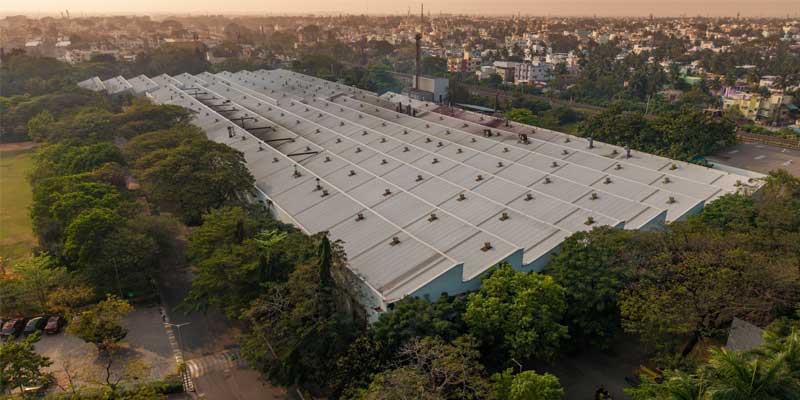
Godrej Enterprises: Engineering India’s Warehousing Future
Ashlin Rajan explores how Godrej’s Chennai facility is engineering the backbone of modern warehousing through scale, automation, sustainability and smarter intralogistics.
Read moreRelated Products
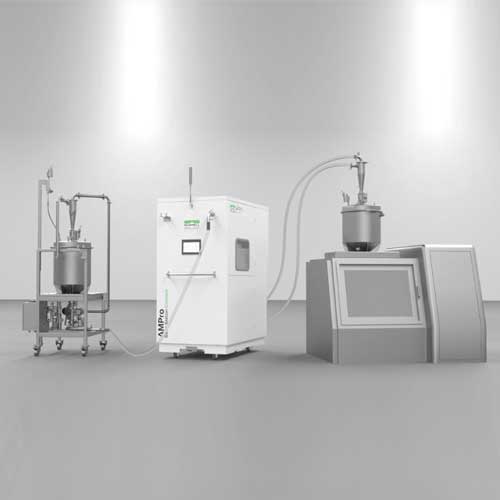
Ampro Sieve Station Connect
Lubrication, Cooling and Filtration Systems
Russell Finex is pleased to announce the new AMPro® Sieve Station Connect, setting a new standard for automated powder handling.
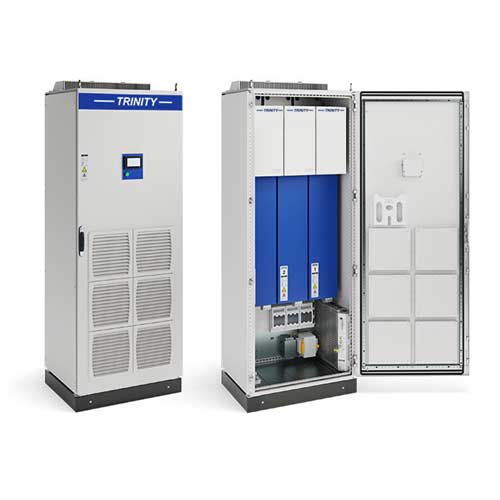
Trinity Active Harmonic Filter - AHF
Lubrication, Cooling and Filtration Systems
Trinity Active Harmonic Filter - AHF
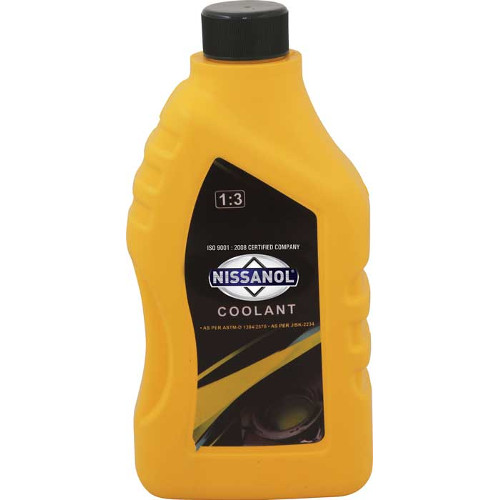
Nissanol Coolant.
Lubrication, Cooling and Filtration Systems
Napson Lubricants Private Limited offers Nissanol Coolant. These are non petroleum base engine coolant cum-antifreeze, formulated from ethylene glycol and special inhibitors. It is used in all type Read more
latest News
Subscribe to iNoW

For Industry News on WhatsApp, Give a Miss Call on: +91 84228 74016