





Schedule a Call Back


Steel Sector Holds the Key to India’s Manufacturing Resilience
 Articles
- Jan 26,26
India’s steel sector is emerging as a strategic pillar in strengthening manufacturing resilience amid global volatility, supporting infrastructure growth, self-reliance, and long-term industrial competitiveness, shares, Harsh Bansal, Managing Director, BMW Industries.

Key Takeaways:
- India’s steel sector is central to Make in India’s resilience agenda but is under pressure from cost volatility, policy uncertainty and sustainability transitions.
- Capacity expansion and infrastructure demand support growth, yet uneven utilisation and widening gaps between large and small players persist.
- Global supply-chain realignment, PLI-driven value addition and strong domestic demand offer strategic opportunities for Indian steel.
- Long-term competitiveness will depend on digitalisation, energy efficiency, skills development, logistics reform and policy stability.
India’s manufacturing sector is navigating one of the most complex phases in its growth journey. Global economic uncertainty, geopolitical realignments, shifting trade policies as no one has experienced before, and rapid technological change have created an operating environment defined by volatility, uncertainty, complexity, and ambiguity, a VUCA world. In this context, the vision of Make in India has evolved beyond capacity creation to focus on sustainability, resilience, competitiveness, and long-term strategic strength. At the centre of this transformation lies the steel sector, which continues to serve as the backbone of India’s industrial and infrastructure ambitions. Countries that produce their own steel can influence Global trade, support infrastructure development, and ensure they have a stable supply of critical materials. It’s all about economic resilience and strategic independence.
Steel is not just another manufacturing segment; it is a foundational industry that supports sectoral growth for infrastructure, construction, automobiles, capital goods, renewable energy, railways, and defence manufacturing. The health of India’s steel and downstream processing ecosystem directly influences the pace and sustainability of manufacturing growth. As global supply chains reset and domestic priorities shift towards self-reliance and value addition, steel has emerged as both a strategic asset and a stress point in a VUCA environment.
Manufacturing and Steel in a VUCA Context
Volatility in the steel sector is evident in fluctuating raw material prices, energy costs, and global steel benchmarks. Prices of iron ore, coking coal, and power have seen sharp swings over the last few years, directly impacting production costs and margins for steelmakers and processors. Demand cycles, influenced by infrastructure spending and global economic conditions, further add to this volatility.
Uncertainty affects long-term planning across the steel value chain. Global trade tensions, safeguard duties, export restrictions, and changes in import flows, particularly from net exporters such as China, create unpredictability in domestic pricing and capacity utilisation. Steel manufacturers must often make capital-intensive decisions without clear visibility on trade policy stability or future demand trends.
Complexity arises from the steel sector’s deep integration with multiple industries and regulatory frameworks. Environmental norms, carbon emission standards, mining regulations, logistics dependencies, and quality certifications all intersect within steel manufacturing and processing. A regulatory or policy change in one area often has cascading effects across the value chain. We would also do well to remember that the industry remains one of the largest long-term employers, formally & informally.
Ambiguity defines the future direction of steel manufacturing itself. Questions around green steel, hydrogen-based production, carbon pricing, and global sustainability benchmarks remain unresolved. Indian steel players must invest today while preparing for multiple possible future scenarios. These are magnified manifold by whimsical leaders of nations who would change policies at the tip of a hat.
Current Status of India’s Steel and Manufacturing Landscape
India has made substantial progress in expanding its steel production capacity and capabilities, positioning itself among the world’s top producers. Capacity additions over the past decade have supported domestic demand driven by infrastructure projects, urban development, and industrial growth. Downstream steel processing, covering pipes, tubes, galvanised products, and value-added flat and long products, has grown in parallel, strengthening domestic supply chains.
Government-led infrastructure initiatives, including highways, railways, metro projects, renewable energy installations, and housing schemes, have provided consistent demand support to the steel sector. This has helped cushion the impact of global slowdowns and export market fluctuations.
However, challenges remain pronounced. Capacity utilisation across steel plants and processing units remains uneven, especially among mid-sized and smaller players. Margin pressure continues due to raw material volatility, energy costs, and competition from imports. For downstream processors, pricing power is often limited, making cost efficiency and scale critical for survival.
The gap between large integrated steel producers and smaller processors has widened. Larger players benefit from economies of scale, captive raw materials, and access to capital, while smaller units face higher input costs and tighter credit conditions. This divergence is reshaping the structure of the steel industry.
Structural Challenges Facing the Steel Sector
One of the most persistent challenges for Indian steel manufacturers is the pressure from low-cost imports, particularly from our east. Excess global capacity and aggressive export pricing have led to periodic import surges, affecting domestic prices and utilisation levels. While safeguard duties and trade remedies provide temporary relief, they do not fully address structural competitiveness issues.
Energy costs remain a critical concern. Steel production and processing are energy-intensive, and fluctuations in power tariffs, fuel availability, and environmental compliance costs directly affect profitability. The transition towards cleaner energy, while necessary, adds to near-term cost pressures.
Logistics inefficiencies further compound challenges. Steel relies heavily on the efficient movement of bulk materials. Despite improvements in port capacity, rail freight, and road connectivity, logistics costs in India remain higher than global benchmarks. Delays and inefficiencies affect delivery timelines and working capital cycles.
Skill availability is another structural issue. Advanced steel manufacturing and processing safely require skilled manpower for automation, quality control, and process optimisation. The shortage of specialised technical skills limits productivity gains and slows technology adoption.
Opportunities Emerging for Indian Steel in a Shifting Global Order
Despite these challenges, the global realignment of supply chains presents a significant opportunity for India’s steel sector. As global manufacturers diversify sourcing under the + One strategy, India has the potential to become a reliable supplier of steel and steel-intensive products.
India’s strong domestic demand base offers stability. Infrastructure development, renewable energy expansion, electric vehicle manufacturing, and industrial growth are expected to sustain steel demand over the medium to long term. This domestic cushion allows steel manufacturers to plan capacity and investments with greater confidence, while taking advantage of a captive market to get the benefits of scale and competitive costing.
Government initiatives such as the Production Linked Incentive scheme for speciality steel have encouraged investment in value-added and high-grade steel products and allowed companies to invest with a higher level of economic visibility. This shift towards higher value segments improves competitiveness and reduces reliance on commodity-grade steel.
Trade agreements and export opportunities also offer growth potential. With improved quality standards and certifications, Indian steel products can access global markets more effectively, particularly in regions seeking diversified supply sources. The large number of FTAs signed by India is key to this.
Emerging Trends Shaping the Steel and Manufacturing Ecosystem
Digitalisation is increasingly influencing steel manufacturing and processing. Automation, real-time monitoring, predictive maintenance, and data-driven quality control are improving efficiency and reducing downtime. Steel plants that adopt smart manufacturing practices are better positioned to manage volatility and cost pressures. Digital twinning to improve maintenance predictability is being talked about increasingly and will soon be the norm.
Sustainability has become a defining trend for the steel sector. Global buyers are increasingly evaluating suppliers based on carbon footprint and environmental compliance. We believe that while certain economies will use this as a non-tariff barrier, it nonetheless provides an opportunity for Indian players to focus on energy efficiency, increased scrap usage, and exploration of low-carbon production technologies.
Supply chain localisation is gaining importance. Manufacturers are strengthening domestic sourcing for inputs, equipment, and services to reduce dependence on imports. This trend supports the growth of ancillary industries and strengthens the broader manufacturing ecosystem. This also becomes more and more viable as capacities increase upstream.
Industry consolidation is expected to accelerate. Competitive pressures, capital intensity, and compliance requirements are likely to drive consolidation across steel processing segments. Scale, financial discipline, and operational efficiency will determine long-term sustainability.
Building Resilience in the Steel Sector
Resilience must be at the core of future steel manufacturing strategies. For industry players, this means improving cost structures, investing in efficient technologies, and diversifying sourcing and markets. Flexible production planning and better inventory management can help manage demand fluctuations.
Technology adoption should be strategic and phased. Digital tools that improve forecasting, energy management, and quality control offer long-term benefits, particularly in a volatile environment.
Skill development is equally important. Collaboration between steel companies, technical institutes, and training agencies can help bridge skill gaps and prepare the workforce for advanced manufacturing. We need to move from skill consumers to skilling more and more.
From a policy perspective, consistency and predictability are essential. Stable trade policies, rational energy pricing, and streamlined regulatory processes can encourage long-term investment in steel and downstream manufacturing.
Infrastructure development must continue with a focus on reducing logistics costs. Efficient rail connectivity, port infrastructure, and industrial clusters can significantly enhance competitiveness for steel manufacturers.
The Road Ahead for Make in India and Steel
Make in India in a VUCA world is ultimately about building systems that can adapt to change rather than resist it. The steel sector, as the foundation of industrial growth, will play a decisive role in determining the success of India’s manufacturing ambitions. Strengthening steel manufacturing and processing capabilities will have a multiplier effect across infrastructure, engineering, and export-driven industries.
The coming decade will test the resilience of Indian steel manufacturers. Those who invest in efficiency, sustainability, and value addition will be better positioned to navigate uncertainty. With aligned efforts from industry and government, India’s steel sector will evolve from a volume-driven industry into a globally competitive, strategically important pillar of manufacturing growth, reinforcing the broader vision of Make in India and Atmanirbhar Bharat in an increasingly complex world.
About the author:
Harsh Bansal is the Managing Director of BMW Industries Limited (BMWIL). He has been leading the company for about 19 years, carrying forward the legacy of a family business that has grown steadily over generations. An alumnus of Harvard Business School and an active member of YPO, Harsh brings a global perspective to business leadership with a strong emphasis on purpose-driven progress and quality-centred execution.
India steel industry
Make in India manufacturing
steel sector resilience
VUCA manufacturing
downstream steel processing
speciality steel PLI
green steel transition
manufacturing competitiveness
Harsh Bansal
BMW Industries
Related Stories
Automation & Robotics
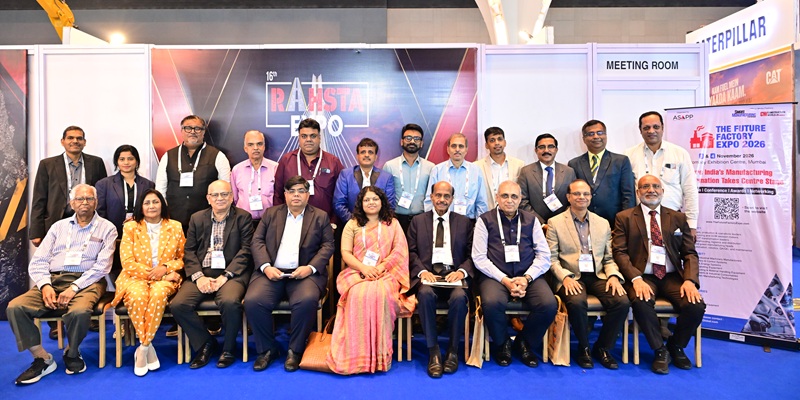
Future Factory Expo CXO Roundtable Charts Smart Transformation for SMEs
During the roundtable, hosted by Smart Manufacturing & Enterprises (SM&E) and The Future Factory Expo 2026, industry leaders outlined how SMEs can use practical digitisation, automation, skilling an..
Read moreSmart Manufacturing
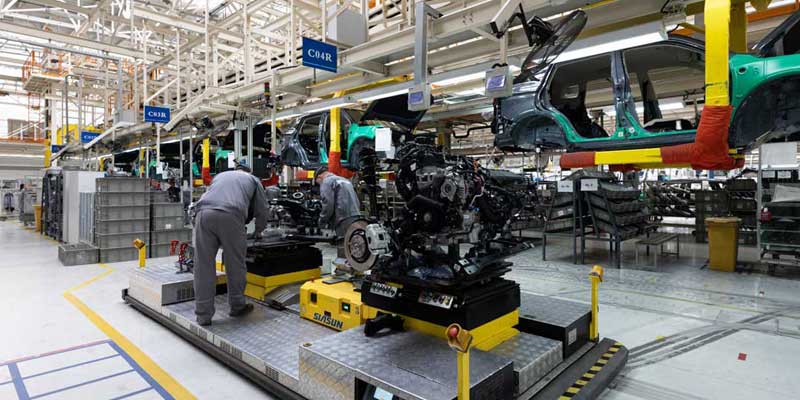
Optimising Shopfloor Operations Through Takt Time and Flow
Optimising shopfloor operations requires finding the right pace, known as Takt Time, to balance customer demand and cost efficiency. In this month's column, Zurvan Marolia explores the dilemma of wh..
Read moreOther Industrial Products
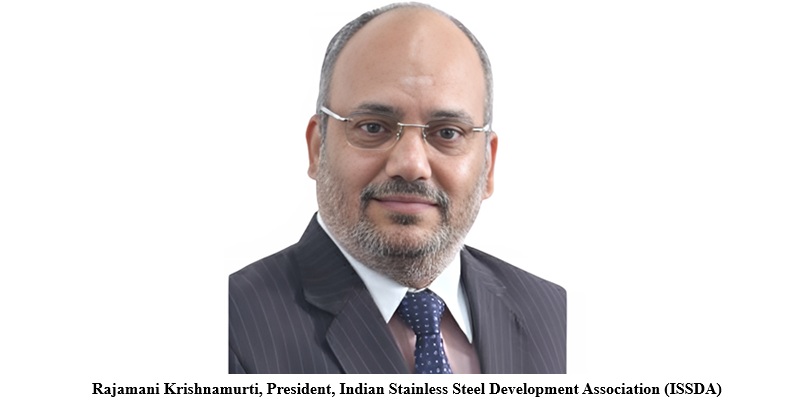
The Stainless Steel Renaissance: Forging India’s Sustainable Industrial Legacy
Stainless steel is emerging as a strategic material powering India’s durable, sustainable and globally competitive manufacturing ecosystem under the Make in India vision, with insights from Rajama..
Read moreRelated Products
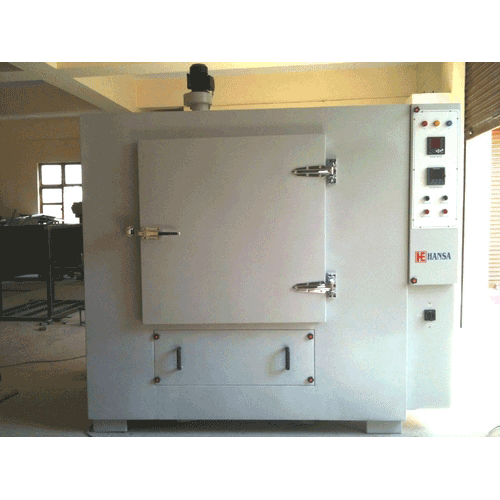
Heavy Industrial Ovens
INDUSTRIAL SUPPLIES
Hansa Enterprises offers a wide range of heavy industrial ovens.
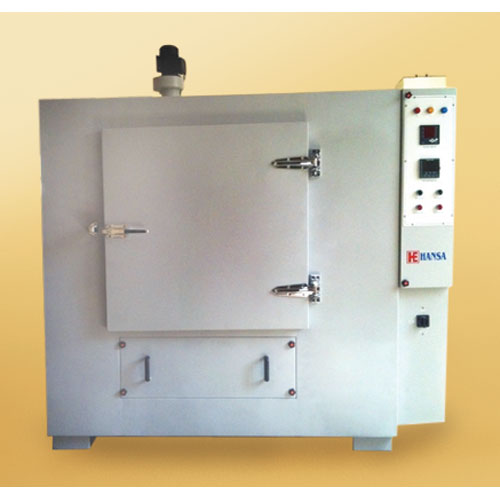
High Quality Industrial Ovens
INDUSTRIAL SUPPLIES
Hansa Enterprises offers a wide range of high quality industrial ovens. Read more
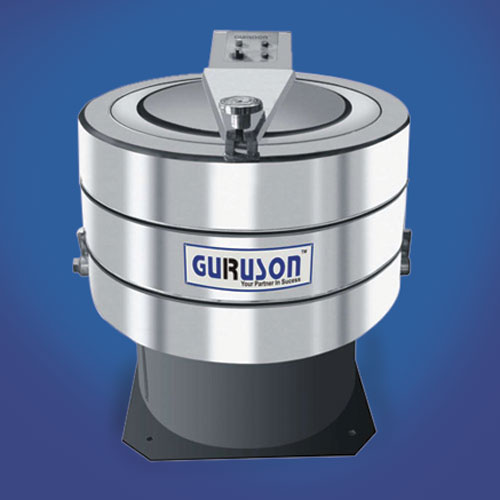
Hydro Extractor
INDUSTRIAL SUPPLIES
Guruson International offers a wide range of cone hydro extractor. Read more
latest News
Subscribe to iNoW

For Industry News on WhatsApp, Give a Miss Call on: +91 84228 74016