






Schedule a Call Back


Continental Partners with INEOS Inovyn to Cut Carbon Impact of PVC Products
 Articles
- Nov 14,25
This new material boasts a carbon footprint approximately 37 per cent lower than the European industry average for conventional PVC.

Continental is consistently advancing the use of more
sustainable materials within its product portfolio. Going forward, the company’s
ContiTech division will transition the majority of its PVC-based products to
INEOS Inovyn’s carbon-optimised NEOVYN PVC. This new material boasts a carbon
footprint approximately 37 per cent lower than the European industry average
for conventional PVC.
This achievement will be made possible through targeted
decarbonisation initiatives by INEOS Inovyn, particularly the adoption of
renewable energy sources such as hydropower, wind energy, and solar power,
along with the use of low-carbon hydrogen in production.
In the future, the new PVC formulation will be utilised
across a diverse range of Continental products – including food-grade hoses,
conveyor belts for mining, and fasteners and seals for the chemical and
construction sectors. Additionally, functional and design-driven surface
solutions in vehicles, ships, and buildings worldwide will also be outfitted
with the new material as standard.
Strategic importance
of PVC at Continental
In addition to rubber, PVC (polyvinyl chloride) is a
fundamental material in the portfolio of Continental’s ContiTech division,
which specialises in material-driven solutions. As a thermoplastic polymer, PVC
is distinguished by its versatility, formability, and cost-effective
processing. Consequently, it is used across a wide range of industries.
Against the backdrop of increasing demands on the carbon
balance of products and supply chains, the targeted use of materials with a
reduced product carbon footprint is becoming increasingly important.
"Decarbonisation starts with the materials. With carbon-optimised PVC from
INEOS Inovyn, we are focusing specifically on lower-emission solutions that can
be integrated into our series production without sacrificing quality," explained
Christian Dohmen, who is responsible for global Rubber & Chemicals
Purchasing at ContiTech. "This is measurable progress in our strategic use
of materials and at the same time an expression of a more sustainable
purchasing decision. By switching to the new PVC alone, we will achieve an
emission reduction of around 31.5 per cent in the future compared to the
previous PVC range in relation to the quantities used in 2024. A clear signal
to our customers, who are increasingly relying on more climate-friendly and
recyclable products," he added.
How INEOS Inovyn is
reducing PVC's carbon footprint
The reduced product carbon footprint of NEOVYNTM PVC
supplied by INEOS Inovyn is based on a series of targeted decarbonisation
measures along the entire value chain. A key lever is the consistent switch to
renewable energies: The production sites use locally available sources such as
hydropower from Norway, wind energy from the North Sea and a modern
photovoltaic system in Jemeppe, Belgium. This is complemented by the use of
low-carbon hydrogen.
In addition, the entire supply chain is certified according
to the International Sustainability and Carbon Certification (ISCC) PLUS
standard. The internationally recognised sustainability certification certifies
compliance with and documentation of certain processes for the mass balancing
of raw materials and ensures the traceability of the renewable and recycled raw
materials used.
“Through NEOVYN, we are providing our customers with an
advanced PVC solution that significantly reduces the carbon footprint and helps
them achieve their sustainability goals. It is exciting to see global companies
like Continental make such a strong and clear commitment to environmentally
responsible products, demonstrating our shared ambition to deliver low carbon
solutions" said Arnaud Valenduc, Business Director, INEOS Inovyn.
Next steps for more
sustainable materials at Continental
With the use of NEOVYN PVC, Continental has reached an
important milestone on the way to more sustainable material use. The focus is
not only on PVC, but also on other materials that can contribute to the
reduction of carbon emissions through the use of renewable energies and
recyclable raw materials.
For example, Continental is also working on increasing the
proportion of renewable and recycled raw materials in its rubber compounds and
on further developing innovative solutions in the field of rubber recycling.
The aim is to integrate further basic materials with an improved carbon
footprint into series production in the future.
Another step in this direction: In the industrial sector, Continental
has so far achieved ISCC PLUS certification for its Eislingen and Waltershausen
sites, with additional locations to follow.
Continental
ContiTech
Carbon emission
Carbon footprint
INEOS Inovyn
NEOVYN PVC
Christian Dohmen
PVC Products
Related Stories
Material Handling Equipment
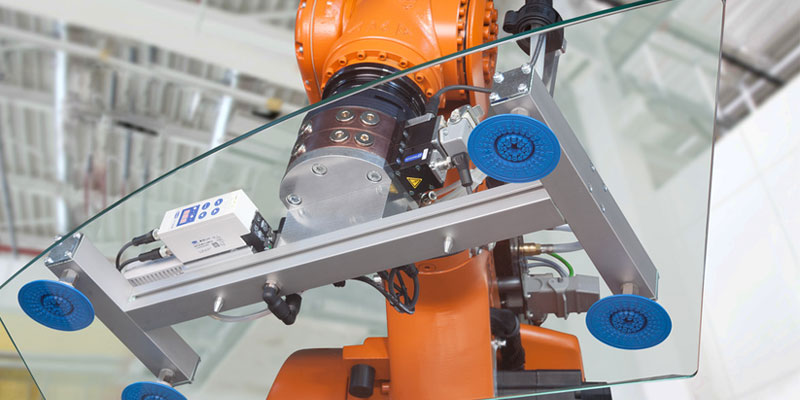
Air-Saving Vacuum Ejectors Cut Energy Use by Up to 90% in Automotive Plants
Air-saving vacuum ejectors are helping Indian automotive manufacturers reduce energy costs, cut carbon emissions and achieve rapid ROI while ensuring reliable, zero-defect production, shares Rajesh ..
Read moreProcess Equipment
Continental Partners with INEOS Inovyn to Cut Carbon Impact of PVC Products
This new material boasts a carbon footprint approximately 37 per cent lower than the European industry average for conventional PVC.
Read moreProcess Equipment

Continental Petroleum Bags Export Orders Worth 54 Million
With these new contracts, the company’s total Lubes & Greases order book stands at approximately INR 193.6 million (around USD 2.3 million), comprising both domestic and international orders.
Read moreRelated Products
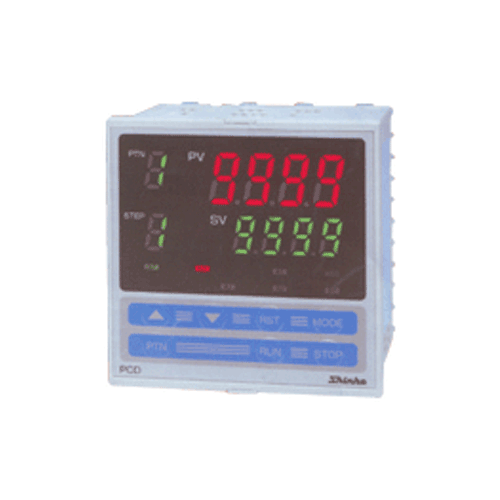
Programmable Controllers - Pcd-33a Series
CHEMICAL PROCESS, FOOD/PHARMA EQUIPMENT & ANALYTICAL INSTRUMENTS
Pro-Med Instruments (P) Ltd offers a wide range of programmable controllers - PCD-33A Series.
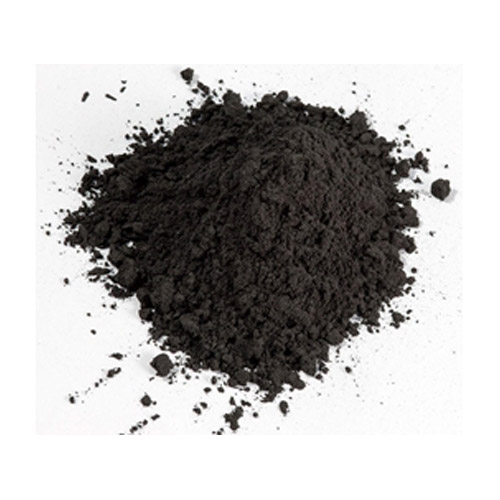
Gasket Graphite Powder
CHEMICAL PROCESS, FOOD/PHARMA EQUIPMENT & ANALYTICAL INSTRUMENTS
Arihant Packing & Gasket Company offers a wide range of gasket graphite powder.
Asahi Kasei expands 3D printing filament sales in North America
CHEMICAL PROCESS, FOOD/PHARMA EQUIPMENT & ANALYTICAL INSTRUMENTS
Asahi Kasei, a leading resin and compounding technology provider, has initiated the sales of 3D printing (3DP) filaments in North America through Asahi Kasei Plastics North America (APNA). The soft la Read more
latest News
Subscribe to iNoW

For Industry News on WhatsApp, Give a Miss Call on: +91 84228 74016