





Schedule a Call Back


More than half of India?s vehicles will be electric by FY33, Axis Capital Research
 Industry News
- Oct 05,23
A progressive recasting of PLI for battery manufacturing is critical to spur EV battery making in India, concludes Nishit Jalan, Lead Analyst ? Automobiles at Axis Capital Research after a several-months-long study of the evolving global EV battery ecosys
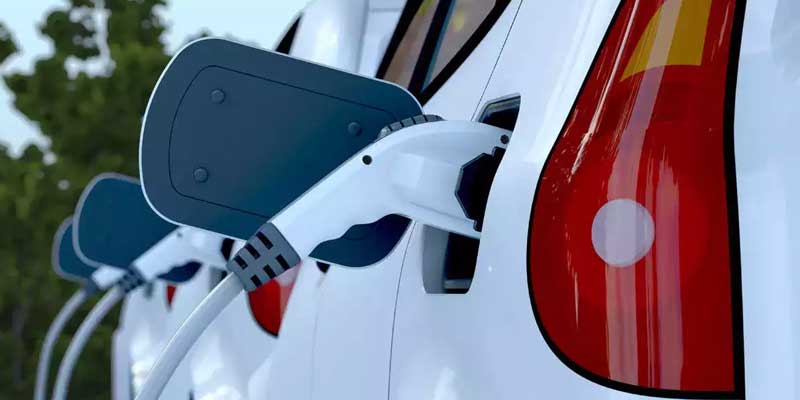
A progressive recasting of PLI for battery manufacturing is critical to spur EV battery making in India, concludes Nishit Jalan, Lead Analyst ? Automobiles at Axis Capital Research after a several-months-long study of the evolving global EV battery ecosystem and global OEM strategies. Given the sizable government intervention in most markets, Jalan and colleague Amar Kant Gaur focused substantially on studying industrial policies and expert views before benchmarking subsidy levels and conducting sensitivity analyses.
Report Highlights ? High incentives to drive EV adoption and 250 GWh battery demand by FY33E. Incentives comprise ? ~30-40% of the pre-subsidy price of EV PVs and 2Ws (higher than global markets). Overall incentives will cost the exchequer Rs 1.8 tn over FY23-28E, even as higher incentives drive EV penetration to 50% by FY33E. Sufficient scale, localization, and innovation can shrink the cost of EV ownership enough in the next five years to significantly lower the need for incentives. India will need capex of ~$30-33 bn (excluding major backward integration) to build the required Li-ion battery capacity of 330 GWh (250 GWh demand, 75% utilisation) in the next decade (70-75% of demand just for LFP). ? China controls global battery supply chain; US moves into the fray. China controls 65-70% of global battery capacity and 55-85% of global supply of battery components, having sold 5 mn EVs with 21% penetration in CY22. China?s dominance of the global EV supply chain began with a strategic long-term plan launched in 2001, focused on high subsidies (>$250 bn by FY26) and stringent local sourcing norms. Two decades later, the US entered the fray with its Inflation Reduction Act (2022), offering high subsidies ($370 bn over 10 years) on EV sales and battery production, contingent of course on local sourcing. ? India?s localisation efforts hobbled by tech and restrictive incentives. Localisation of battery packs (20-25% of battery cost) has begun in India and will reach 100% in the next 1-2 years. However, cell manufacturing will likely begin in 2-3 years given the technological limitations of domestic companies and limited interest from global players. As EV volumes grow, India OEMs will seek greater control of battery supply. India?s battery PLI scheme has come up short with tough timelines, demanding technology specs and onerous value addition it imposes, apart from low actual incentives. Jalan and Gaur point out that overcoming this challenge of localizing battery manufacturing in India hinges on a progressive overhaul of PLI for battery manufacturing. ? India OEMs to follow global OEMs taking control of battery supply. Global OEMs are looking closely at (1) in-house battery manufacturing, (2) JVs with battery makers, (3) acquiring stakes in battery companies, and (4) long-term agreements; we expect India OEMs to follow suit. The battle for controlling the EV supply chain already has interesting contenders in the Tata Group and Ola, both of which have announced related plans.
Nishit Jalan
Axis Capital Research
China
Tata Group
Ola
battery manufacturing
EV battery ecosystem
EV adoption
Related Stories
Electrical & Electronics

Offgrid Launches 10 MWh ZincGel Battery Pilot Facility in UK
Offgrid Energy Labs has launched a 10 MWh ZincGel pilot manufacturing line in the UK, taking its India-developed battery technology from laboratory innovation to commercial production.
Read moreAutomation & Robotics
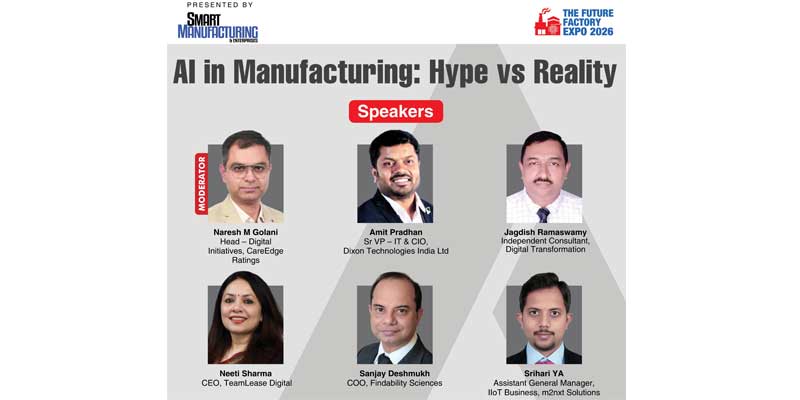
Future Factory Expo webinar explores real-world AI use in factories
Future Factory Expo (FFE) recently hosted a webinar bringing together senior leaders from manufacturing, digital transformation and workforce development to decode artificial intelligence's role on ..
Read moreAutomation & Robotics
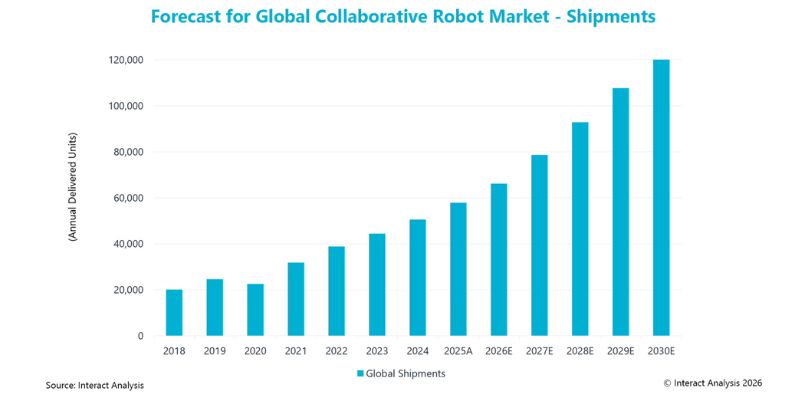
Cobot Shipments Set to More Than Double by 2030
Global collaborative robot shipments reached nearly 58,000 units in 2025 and are forecast to more than double from 2026 to 2030, led by China’s rising dominance.
Read moreRelated Products

Automotive Oil Pump
AUTO COMPONENTS & ACCESSORIES
Kalpak Auto Pvt Ltd offers a wide range of
automotive oil pump.
Tata Motors unveils facilities for development of Hydrogen propulsion tech
AUTO COMPONENTS & ACCESSORIES
Tata Motors, India?s largest automobile company, unveiled two state-of-the-art & new-age R&D facilities for meeting its mission of offering sustainable mobility solutions. The unveilings constitute of Read more
Tata Motors plans petrol powertrain for Harrier and Safari SUVs
AUTO COMPONENTS & ACCESSORIES
Tata Motors is in the process of developing a new petrol powertrain for its premium sports utility vehicles, the Harrier and Safari, as confirmed by a senior company official. Currently, these models Read more
latest News
Subscribe to iNoW

For Industry News on WhatsApp, Give a Miss Call on: +91 84228 74016