




Schedule a Call Back


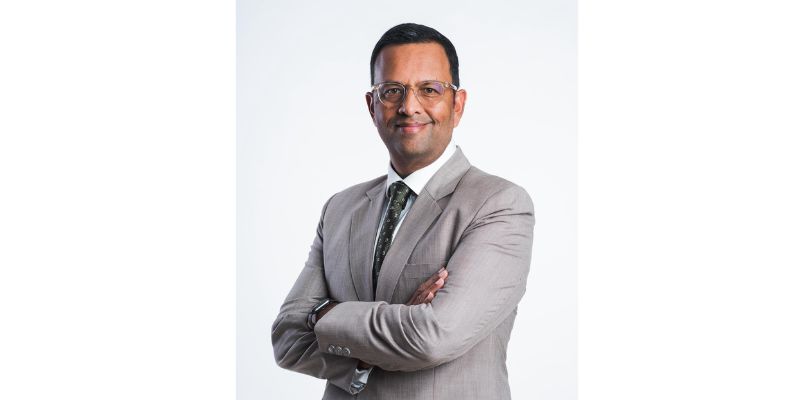
India is an important market for German engineering firms: Rajesh Nath
 Interviews
- May 08,26
In this interview with Rakesh Rao, Rajesh Nath, Managing Director, VDMA India, highlights how the evolving Indo-German partnership is expected to play a pivotal role in shaping future industrial ecosystems.
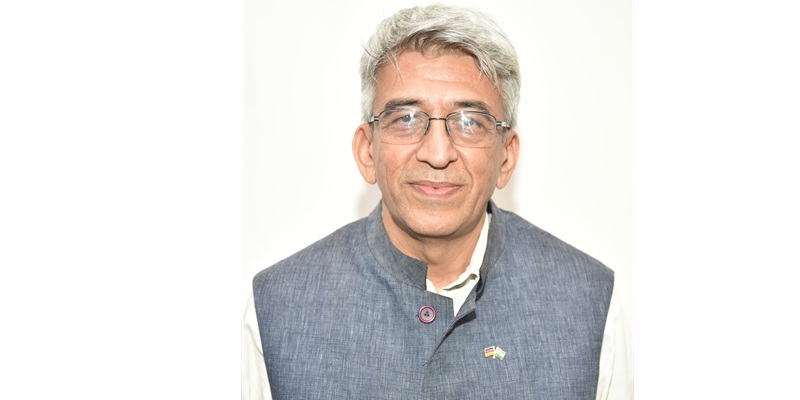
The global engineering sector is undergoing a structural transformation driven by sustainability, digitalisation and supply chain realignment. Germany continues to demonstrate resilience through innovation, high-value engineering and global partnerships, while India is emerging as a key strategic market and manufacturing hub. In this interview with Rakesh Rao, Rajesh Nath, Managing Director, VDMA India, highlights how the evolving Indo-German partnership is expected to play a pivotal role in shaping future industrial ecosystems.
German Chancellor Friedrich Merz visited India in January 2026. How significant was this visit in strengthening Indo-German industrial and economic ties?
The visit of German Chancellor Friedrich Merz to India in January 2026 was highly significant in reinforcing the strategic depth of Indo-German relations. At a time when global supply chains are undergoing realignment due to geopolitical tensions, Germany’s outreach to India signals a clear intent to diversify partnerships and reduce overdependence on limited geographies.
From Germany’s perspective, India represents not only a large and growing market but also a reliable partner for co-development and co-production. The visit strengthened cooperation in key areas such as advanced manufacturing, green energy, digital transformation, and skill development. For India, the visit reaffirmed access to Germany’s world-class engineering capabilities, particularly in Industry 4.0, precision manufacturing, and sustainability solutions. It also enhanced investor confidence and opened avenues for deeper industrial collaboration, joint ventures, and technology transfer. Overall, the visit marked a shift from transactional engagement to a more strategic, long-term industrial partnership.
How would you assess the performance of Germany’s engineering industry in 2025?
Germany’s engineering industry demonstrated notable resilience in 2025 despite a challenging global environment. The sector faced multiple headwinds, including high energy costs, inflationary pressures, weak demand in parts of Europe, and ongoing supply chain disruptions. However, strong export performance, particularly in Asia and North America, helped stabilize growth. Many companies adopted a cautious but adaptive approach—focusing on cost optimization, digital transformation, and diversification of markets and suppliers.
Additionally, there was a clear shift towards high-value, technology-driven solutions, allowing companies to maintain margins even in a subdued demand environment. Investments in automation, sustainability, and innovation continued, reinforcing Germany’s position as a global leader in engineering excellence.
What key trends are shaping demand for machine builders and the engineering sector?
The global engineering market today is undergoing a structural transformation driven by long-term megatrends rather than short-term economic cycles. Three major forces are shaping demand:
- Decarbonization and sustainability regulations, pushing industries to adopt cleaner and more energy-efficient technologies
- Digitalization and Industry 4.0 adoption, leading to demand for smart, connected, and data-driven machinery
- Supply chain resilience and localisation, encouraging companies to invest in flexible and regionally diversified manufacturing systems
Customers are increasingly seeking integrated solutions rather than standalone machines. There is a growing preference for equipment that offers predictive maintenance, real-time monitoring, energy efficiency, and scalability. This shift is redefining the role of engineering companies from equipment suppliers to solution providers and long-term partners.
What are the major challenges currently faced by manufacturers worldwide, and how are German engineering companies helping address them?
Manufacturers globally are navigating a highly complex operating environment. Key challenges include rising input and energy costs, shortage of skilled labour, supply chain disruptions, regulatory compliance pressures, and increasing expectations around sustainability. German engineering companies are playing a crucial role in addressing these challenges. They are providing advanced automation solutions that reduce dependence on manual labour and improve productivity. Their digital platforms enhance visibility and transparency across the production process, enabling better decision-making.
Furthermore, energy-efficient technologies and process optimisation solutions help manufacturers reduce operational costs while meeting environmental regulations. German firms also focus on lifecycle efficiency, ensuring reliability, durability, and long-term value, which is critical in today’s cost-sensitive environment.
Sustainability and automation are gaining increasing traction. How are German firms supporting industries in advancing on these fronts?
German firms are global leaders in integrating sustainability with advanced automation. They are helping industries transition to greener operations by offering energy-efficient machinery, low-emission production technologies, and solutions aligned with circular economy principles such as recycling and resource optimisation. In automation, German companies are moving beyond traditional systems to fully integrated smart manufacturing ecosystems. They are leveraging technologies such as AI, IoT, robotics, and digital twins to enable intelligent, self-optimising production processes.
Importantly, sustainability and automation are no longer separate agendas. German firms are combining both to deliver solutions that not only enhance productivity but also significantly reduce environmental impact, thereby supporting industries in achieving both economic and sustainability goals simultaneously.
How important is the Indian market for German engineering companies? How have Indo-German trade relations evolved over the years?
India is one of the most important and high-potential markets for German engineering firms. Its large domestic demand, rapid industrialisation, and strong policy push towards manufacturing make it a strategic priority. Over the years, Indo-German trade relations have witnessed steady growth, with engineering goods forming a major share of bilateral trade. German companies have increasingly moved beyond exports to establishing local manufacturing, R&D centers, and partnerships in India.
The relationship has evolved into a collaborative model, focusing on co-creation, skill development, and technology transfer. India is not just seen as a market but also as a production base and an innovation partner, especially in the context of global supply chain diversification.
In the context of global uncertainties and India’s renewed manufacturing push, what new opportunities does India offer to German engineering firms?
India offers a unique combination of stability, scale, and growth potential in an otherwise uncertain global environment. The government’s strong focus on initiatives such as Make in India, infrastructure development, and production-linked incentives has created significant opportunities. For German engineering companies, key opportunities lie in sectors such as infrastructure, renewable energy, electric mobility, industrial automation, and emerging areas like semiconductors and green hydrogen.
Additionally, India’s growing middle class and expanding industrial base are driving demand for advanced manufacturing technologies. German firms can leverage this by expanding local production, forming joint ventures, and using India as an export hub to serve other global markets.
How do you see the India–EU Free Trade Agreement influencing trade and industrial collaboration between Germany and India?
The India–EU Free Trade Agreement is expected to significantly enhance trade and investment flows between Germany and India. Reduced tariffs will make high-quality German machinery more accessible to Indian industries, while streamlined customs procedures will improve ease of doing business. Regulatory harmonisation will also play a crucial role in reducing compliance barriers and facilitating smoother technology transfer and collaboration.
Overall, the FTA will encourage deeper industrial partnerships, joint ventures, and co-innovation. It will also strengthen integration of Indian manufacturers into European value chains, creating a more robust and mutually beneficial trade ecosystem.
What major technological and operational trends will shape the global engineering industry over the next decade?
The next decade will be defined by transformative technological and operational shifts. Key trends include:
- Widespread adoption of AI and data-driven manufacturing
- Strong emphasis on sustainability and carbon neutrality
- Growth of flexible and modular production systems enabling mass customisation
- Increasing focus on regionalised and resilient supply chains
- Enhanced human-machine collaboration through robotics and automation
In addition, digital twins, predictive maintenance, and platform-based business models will redefine how engineering companies deliver value. The industry will increasingly move towards offering integrated solutions rather than standalone products.
What is your outlook for the German engineering industry and Indo-German relations in 2026?
The outlook for 2026 is cautiously optimistic. While global uncertainties such as geopolitical tensions and economic volatility persist, the fundamental demand drivers for the engineering sector remain strong. The German engineering industry is expected to benefit from continued demand for high-quality, sustainable, and technologically advanced solutions. Innovation, diversification of markets, and investment in digital and green technologies will be key growth drivers. Indo-German relations are set to strengthen further, driven by complementary strengths. Germany’s technological expertise and India’s scale, talent pool, and manufacturing ambitions create a powerful synergy.
This partnership is likely to evolve into a cornerstone of global industrial collaboration, contributing not only to economic growth but also to the development of sustainable and resilient industrial ecosystems.
Rajesh Nath
VDMA India
German Engineering
Indo-German Trade
Industry 4.0
Smart Manufacturing
Industrial Automation
Sustainability
Digitalisation
Global Supply Chains
German Chancellor
Friedrich Merz
Rakesh Rao
Related Stories
Other Industrial Products
RHI Magnesita, Khemka Refractories launch MINPRO recycling JV in India
MINPRO will establish a refractory recycling platform in Odisha to recover, process and reuse spent refractory materials and strengthen circular mineral supply chains.
Read moreMachine Tools & Accessories
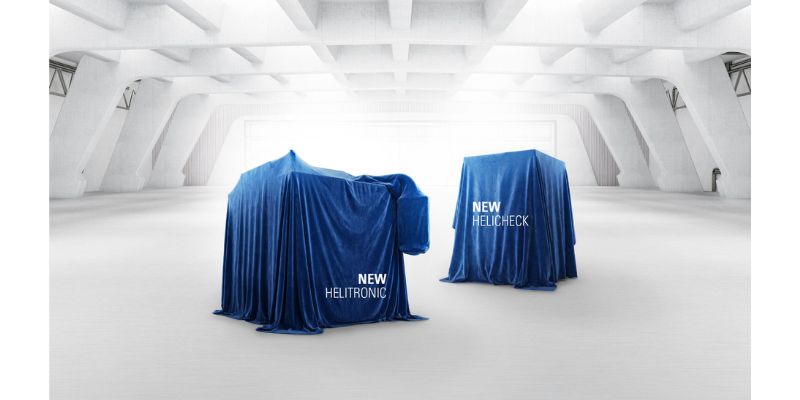
Walter to unveil new Helitronic and Helicheck at AMB and IMTS 2026
Walter will unveil new Helitronic and Helicheck machines at AMB and IMTS 2026, alongside solutions in grinding, measurement, EDM, software and automation.
Read moreSmart Manufacturing
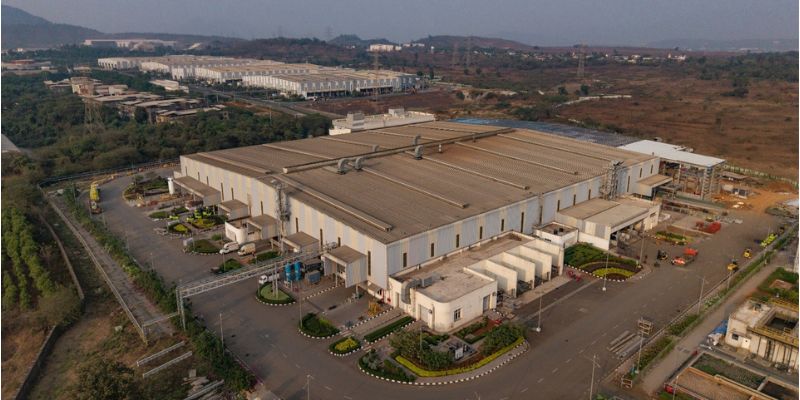
Godrej MHE begins operations at advanced Khalapur manufacturing facility
The facility will produce up to 6,000 material handling units annually, scalable to 15,000, for domestic and export markets.
Read moreRelated Products
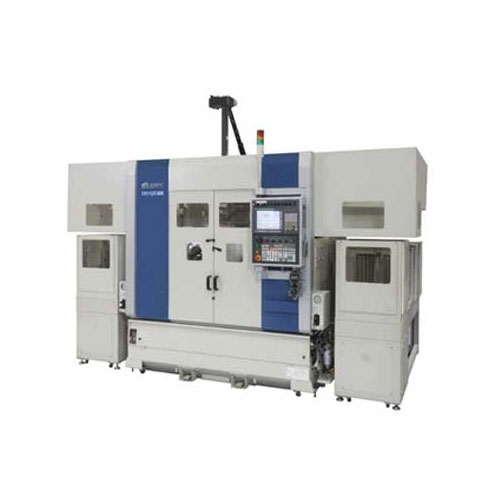
Compact Fmc - Motorum 3048tg With Fs2512
INDUSTRIAL AUTOMATION & TECHNOLOGY CONSULTANCY
Meiban Engineering Technologies Pvt Ltd offers a wide range of Compact FMC - Motorum 3048TG with FS2512.
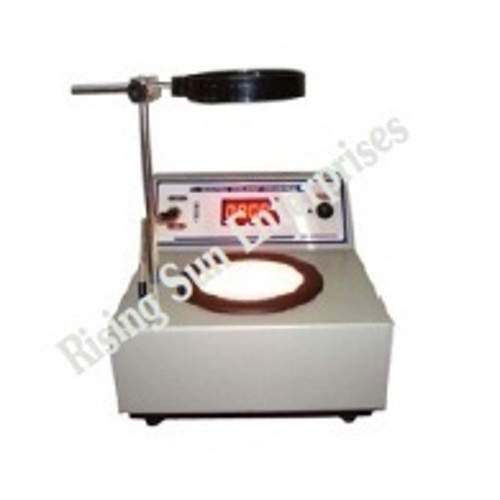
Digital Colony Counter
INDUSTRIAL AUTOMATION & TECHNOLOGY CONSULTANCY
Rising Sun Enterprises supplies digital colony counter.

Robotic Welding SPM
INDUSTRIAL AUTOMATION & TECHNOLOGY CONSULTANCY
Primo Automation Systems Pvt. Ltd. manufactures, supplies and exports robotic welding SPM.
latest News
Subscribe to iNoW

For Industry News on WhatsApp, Give a Miss Call on: +91 84228 74016