





Schedule a Call Back


Digitalisation and innovation drive Indian stainless steel industry growth
 Articles
- Sep 27,25
India’s stainless steel industry is entering a phase where digitalisation, smart factories, and advanced materials will drive competitiveness and sustainability. Sanjay Mishra, Chief Digital & Information Officer at Jindal Stainless, highlights how innovations like digital twins, AI, and traceability can transform India from a volume producer to a global leader in high-performance stainless steel.

The Indian stainless steel industry is at a decisive moment. The question today is not just how much we can produce, but how intelligently, cleanly, and competitively we can do it. Digitalisation, smart production, and advanced materials are no longer optional; they are the levers that will define our global standing. If we get this right, India will move from being a volume player to becoming a trusted supplier of high-performance, sustainable stainless steel.
A growing industry, a larger responsibility
The scale of India’s stainless steel story is significant. According to TechSci Research, the domestic stainless steel market is valued at around $ 8.01 billion in 2025 and is projected to reach nearly $ 12.90 billion by 2031, growing at a CAGR of 8.1 per cent. The Indian Stainless Steel Development Association (ISSDA) estimates current stainless steel consumption at about 4.8 million tonnes in FY25, an 8 per cent year-on-year increase. The per capita consumption also climbed from 2.5 kg in FY21 to 3.4 kg in FY25, with demand projected to grow 7–8 per cent annually over the next three years. Yet these figures must be placed in context. India’s per capita stainless steel consumption is still far behind countries like China, Japan, and South Korea, where it ranges between 15 and 35 kg. Even in finished steel overall, India stands at about 97.7 kg per person, compared to the global average of 219 kg. This gap is both a challenge and an opportunity: it shows how much headroom remains as India builds infrastructure, mobility, defence, and clean energy capacity.
Where technology is changing the game
The next phase of growth will be driven less by raw expansion and more by innovation. Several technology shifts stand out.
Digital twins and predictive intelligence are transforming asset-intensive operations. By replicating casting, melting, and finishing lines in real time, they enable predictive maintenance, yield optimisation, and energy efficiency. Combined with machine learning, they transform plants into self-learning systems that cut downtime and improve quality.
Advanced materials and high-performance grades are opening new markets. Demand is rising for duplex stainless steel, high-strength 300-series alloys, and corrosion-resistant grades. Computational material design, combined with R&D, is helping Indian producers meet global requirements in automotive, logistics, defence, and infrastructure.
Smart factories powered by Industry 4.0 tools—IoT sensors, AI, robotics, and real-time analytics—are reshaping the shop floor. Predictive models can now estimate tensile strength or yield strength from sensor data, reducing waste and destructive testing. Robotics in inspection and handling is making operations safer and more precise.
Sustainability and traceability are becoming non-negotiable. With mechanisms like the EU’s Carbon Border Adjustment Mechanism (CBAM), the ability to certify the carbon footprint, energy intensity, and scrap content of every coil will be a competitive requirement. Investments in renewable energy, hydrogen pilots, and carbon capture will need to be embedded into production, supported by digital tools for continuous monitoring and reporting.
Linking technology with business value
Technology adoption will succeed only if it is tied to outcomes. The question is not ‘Which tool do we deploy?’ but ‘how does this improve yield, reduce cost, cut emissions, and open new markets?’ At the same time, investments in people and culture are essential. Digital literacy on the shop floor, role-based training, and operator buy-in determine whether transformation endures. Equally important is building ecosystems—working with start-ups, technology partners, and academia—to accelerate innovation. In a sector where legacy assets dominate, modular retrofits, pilot projects, and agile scaling will matter more than greenfield perfection.
India’s moment to lead
India is now well-positioned to define the future of stainless steel globally. Domestic demand is rising; government policies like Make in India and PLI are supportive; and our talent base is strong. The opportunity lies in using this momentum to embed data, digital, and sustainability at the core of every process.
The logic must shift from ‘how much we produce’ to ‘how smartly and cleanly we produce it.’ Digital twins, AI-enabled optimisation, advanced grades, green energy, and traceability will be the pillars. If we seize this moment, India will not only close the gap with global averages but set new benchmarks for sustainable, high-performance stainless steel.
About the author

Sanjay Mishra is an industry veteran with nearly three decades of experience in Digital and Information Technology. In his current role as Chief Digital and Information Officer (CDIO) at Jindal Stainless, India's largest stainless steel manufacturer, he is responsible for spearheading strategic digitalisation and transformation initiatives aimed at making the organisation a digital powerhouse.
Sanjay Mishra
Jindal Stainless
Indian stainless steel industry
Digital transformation in steel
Smart factories
Advanced stainless steel grades
Digital twins
Sustainable manufacturing
Industry 4.0 in metals
Green steel innovation
Carbon traceability
Stainless steel
Related Stories
Smart Manufacturing
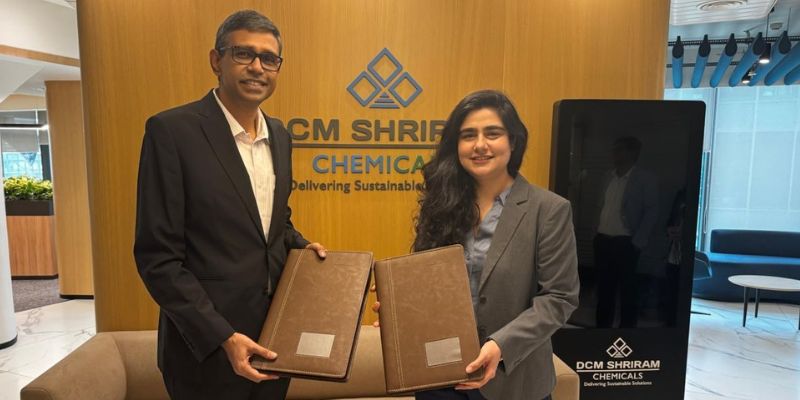
DCM Shriram Partners Serentica for 58 MW Hybrid Renewable Project
The project will supply renewable power to DCM Shriram Chemicals’ Bharuch plant and raise the company’s total renewable energy capacity to 176 MW peak.
Read moreAutomation & Robotics
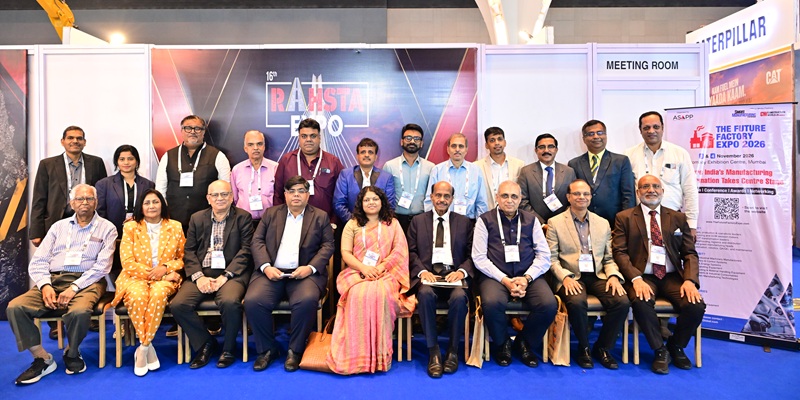
Future Factory Expo CXO Roundtable Charts Smart Transformation for SMEs
During the roundtable, hosted by Smart Manufacturing & Enterprises (SM&E) and The Future Factory Expo 2026, industry leaders outlined how SMEs can use practical digitisation, automation, skilling an..
Read moreSmart Manufacturing
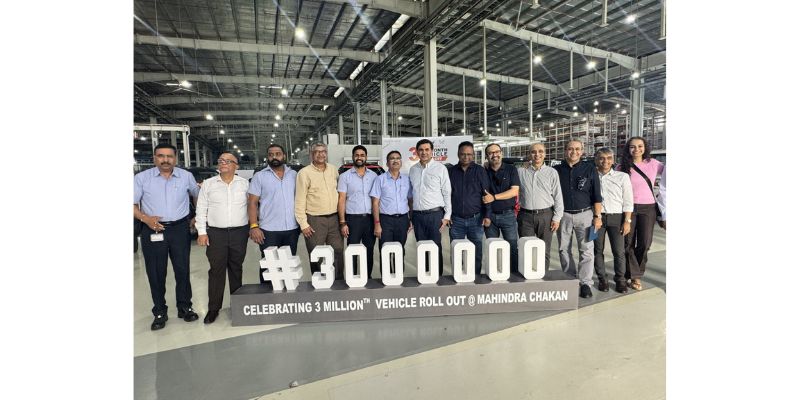
Mahindra’s Chakan Plant Crosses 3 million Vehicle Milestone
Mahindra’s Chakan facility has crossed three million vehicles, with the BE 6 marking its evolution into a flexible, digitally enabled hub for ICE and electric mobility.
Read moreRelated Products
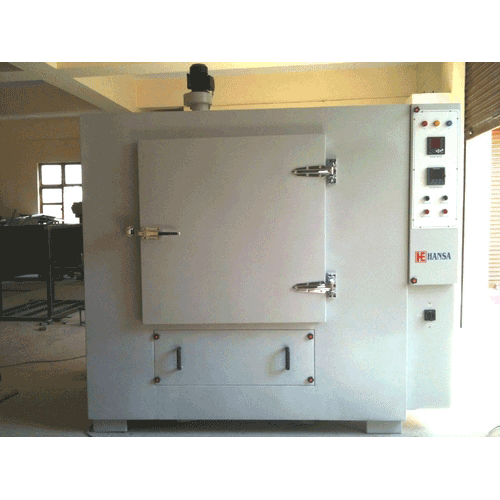
Heavy Industrial Ovens
INDUSTRIAL SUPPLIES
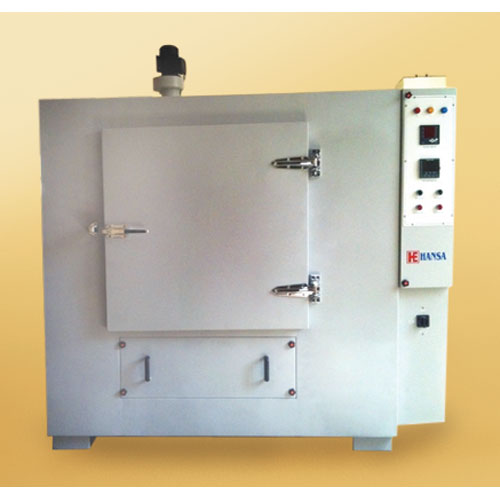
Hansa Enterprises offers a wide range of heavy industrial ovens.
High Quality Industrial Ovens
INDUSTRIAL SUPPLIES
Hansa Enterprises offers a wide range of high quality industrial ovens. Read more
Hydro Extractor
INDUSTRIAL SUPPLIES
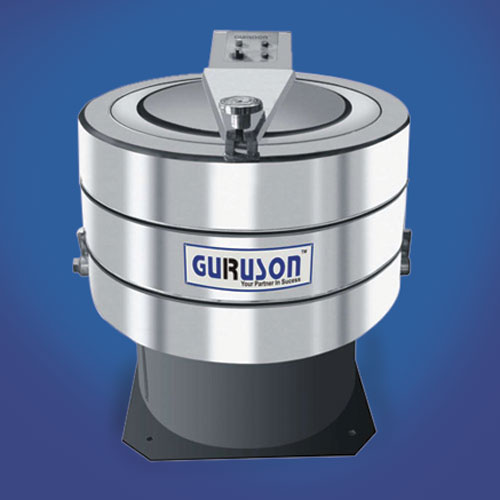
Guruson International offers a wide range of cone hydro extractor. Read more
latest News
Subscribe to iNoW

For Industry News on WhatsApp, Give a Miss Call on: +91 84228 74016