





Schedule a Call Back


5 Ways to eliminate end-of-line packaging bottlenecks in scaling facilities
 Articles
- May 28,26
End-of-line packaging bottlenecks in scaling manufacturing facilities reduce throughput and ROI, but can be mitigated through data-driven audits, automated box handling, robotic palletizing, appropriately sized wrapping equipment, and system integration, writes Emily Newton.

A production plant buys expensive, faster and more sophisticated machinery, and in theory, it’s a success. The machines are running faster and producing more, but shipments aren’t keeping pace, and finished goods are starting to pile up. The gap isn’t in the line of production itself — it’s generally at the very end, where packaging and palletizing can’t keep up.
This last leg might be a hindrance to overall throughput for many scaling facilities. It is crucial to identify and mitigate the bottlenecks that arise there.
The hidden costs of end-of-line inefficiency
End-of-line bottlenecks slow operations down, but they also erode the value of upstream investments. When packaging and palletizing can’t keep up, high-speed manufacturing equipment must be idled or run below capacity, leading to decreased ROI. This problem adds to the estimated $50 billion in annual losses from unscheduled downtime for industrial manufacturers. Facilities compensate with manual intervention, but this drives up labor costs and introduces variability into the process.
That variability shows up in real ways, especially in inconsistent wrapping and handling that can increase product damage rates. Over time, the bigger issue becomes what isn’t immediately visible — lost throughput. When finished goods can’t move efficiently through the final stage, facilities miss out on the full output their systems are capable of delivering, turning a scaling effort into a constrained operation.
Diagnosing the bottleneck
Before spending more money on end-of-line packaging automation, it’s important to know where the slowdown is actually occurring. A thorough review of the essential steps in the end-of-line process can help determine whether the challenge is due to equipment restrictions, manual workflows or mismatched system speeds.
Box and case automation
Company officials should start by evaluating box and case handling. If manual erection or packaging is still part of the workflow, it can quickly become a constraint as upstream speeds increase. Even with automation in place, systems must be aligned with the output of primary production lines. Otherwise, they risk falling behind and creating backlogs.
Palletizing
It’s important to assess how products are transferred from conveyors to pallets. Manual palletizing can be time-consuming, especially as volume rises, and this increases dependence on the workforce at peak times. That’s still a concern, given that the manufacturing industry is expected to add 3.8 million jobs by 2033, although 1.9 million may be unfilled due to the applicant skill gap. Facilities should evaluate whether robotic palletizing systems could enhance consistency and throughput while alleviating operator strain.
Pallet wrapping equipment
The wrapping phase is generally the last and most disregarded bottleneck. Delays are inevitable when one operator manually wraps pallets or when semi-automated equipment can’t keep up. Fully automated pallet wrapping systems can help maintain flow, increase load stability and ensure end-of-line packaging automation operates as a single system rather than a series of separate phases.
5 Ways to eliminate end-of-line packaging bottlenecks
Once bottlenecks are well-defined, the next step is to target them for upgrades and process improvements. It is important to resolve these issues to ensure end-of-line packaging automation can keep pace with the entire manufacturing output.
1. Conduct a data-driven line audit
Guesswork is one of the fastest ways to misdiagnose a problem. Before investing in end-of-line packaging automation, facilities need a clear, data-driven understanding of where delays occur. Operators can use sensors, line monitoring systems and performance-tracking tools to assess cycle times and identify slow areas. They can also determine whether the constraint lies in box packaging automation, palletizing or pallet wrapping equipment.
IoT-enabled packaging lines can even offer real-time alerts and performance data, enabling teams to respond to issues as they arise and establish a more responsive operation.
2. Right-size stretch wrapping equipment
A cookie-cutter approach to pallet wrapping tends to cause more difficulties than it solves. Facilities need equipment sized for their real throughput, not just their current configuration. Many growing enterprises use semi-automatic stretch wrappers to handle a few hundred loads per day, and they offer a significant ROI without the up-front cost of complete automation.
On the other hand, high-volume situations require fully automated systems to keep up with the constant flow. End-of-line packaging automation can remain efficient by matching production demand with the appropriate level of automation.
3. Automate case and box handling
The bottleneck often starts earlier than expected, which is often at the box itself. When case erection and sealing rely on manual processes, inconsistencies can quickly disrupt the entire line. Implementing box packaging automation creates a steady, predictable supply of ready-to-pack boxes and reduces the risk of micro-stoppages that ripple downstream.
This is an important element, as idle time and minor stoppages are known sources of performance loss in production processes. Stabilizing this upstream stage can help facilities make easier handoffs into palletizing and pallet wrapping equipment, keeping end-of-line packaging automation functioning at full capacity.
4. Deploy robotic palletizing
Manual palletizing is frequently the slowest and most unpredictable spot on the line. By replacing it with robotic palletizing devices, facilities can maintain a continuous, high-speed flow while decreasing dependency on labor and lowering unpredictability. This change increases stacking speed, improves consistency and helps ensure end-of-line packaging automation keeps pace with upstream production.
5. Integrate end-of-line systems
The greatest benefit of end-of-line enhancements lies in interconnected systems. Integration with a manufacturing execution system (MES) or an ERP platform provides real-time visibility and enables predictive maintenance. It also allows for dynamic adjustments to keep the line running in step with production demand.
Turning end-of-line efficiency into real throughput
Scaling production only works if every stage can keep up. By eliminating bottlenecks in box handling, palletizing and pallet wrapping equipment, facilities can be confident that their end-of-line packaging automation is contributing to overall output.
About the author:
Emily Newton is a tech and industrial journalist and the Editor-in-Chief of Revolutionized magazine. Subscribe to the Revolutionized newsletter for more content from Emily.
Image Courtesy: Magnific (Freepik)
End-of-line
packaging bottlenecks
palletizing
automation
manufacturing efficiency
throughput
ROI
box handling
robotic palletizing
industrial IoT
Emily Newton
Revolutionized magazine
Related Stories
Electrical & Electronics
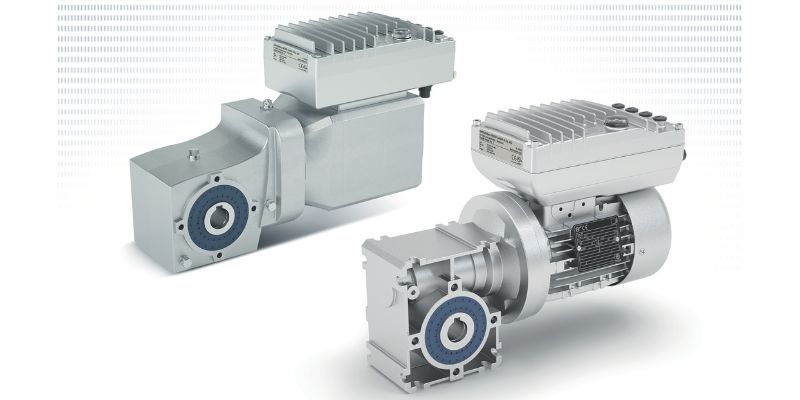
Nordac On Gains Expanded Functional Safety for Automation
Nord Drivesystems has expanded the Nordac On inverter with new safe motion functions for improved control and monitoring in automated production environments.
Read moreAutomation & Robotics
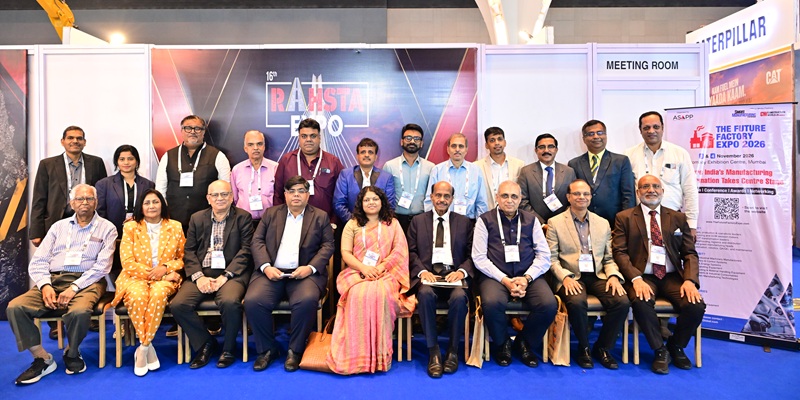
Future Factory Expo CXO Roundtable Charts Smart Transformation for SMEs
During the roundtable, hosted by Smart Manufacturing & Enterprises (SM&E) and The Future Factory Expo 2026, industry leaders outlined how SMEs can use practical digitisation, automation, skilling an..
Read moreAutomation & Robotics
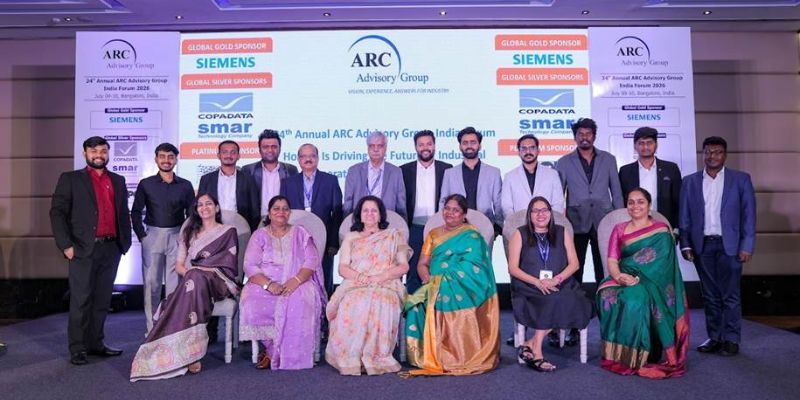
ARC India Forum Spotlights AI-Led Industrial Transformation
ARC Advisory Group’s 24th India Forum brought together 300-plus leaders to examine how AI is transforming industrial operations, manufacturing and supply chains.
Read moreRelated Products
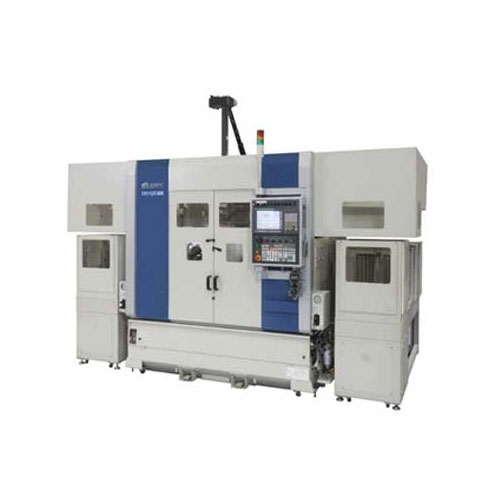
Compact Fmc - Motorum 3048tg With Fs2512
INDUSTRIAL AUTOMATION & TECHNOLOGY CONSULTANCY
Meiban Engineering Technologies Pvt Ltd offers a wide range of Compact FMC - Motorum 3048TG with FS2512.
Digital Colony Counter
INDUSTRIAL AUTOMATION & TECHNOLOGY CONSULTANCY
Rising Sun Enterprises supplies digital colony counter.

Robotic Welding SPM
INDUSTRIAL AUTOMATION & TECHNOLOGY CONSULTANCY
Primo Automation Systems Pvt. Ltd. manufactures, supplies and exports robotic welding SPM.
latest News
Subscribe to iNoW

For Industry News on WhatsApp, Give a Miss Call on: +91 84228 74016