








Schedule a Call Back


How data-driven optimisation works: Panchu Saha
 Articles
- Dec 20,24
Using advanced simulation software like AIRchitect, Atlas Copco evaluates compressor data, operation patterns, and system performance virtually.

Optimisation is about achieving the desired output with minimal resources, ensuring no compromise in performance or uptime. For compressed air systems, understanding key data such as pressure needs, compressor operation, flow patterns, and energy consumption is critical. Atlas Copco’s data-driven approach eliminates trial-and-error by providing virtual insights into optimisation scenarios like pressure adjustments, equipment upgrades, and system controls writes, Panchu Saha, Energy Manager-Compressor Technique Service, Atlas Copco (India) Private Limited.
What is optimisation?
Optimisation refers to the process of utilising minimal resources to achieve the same or required level of output without affecting performance or uptime. For instance, if the application requires compressed air at 5 bar, but the supply is 6.5 bar, reducing the pressure by 1 bar without compromising the application's performance can lead to significant energy savings. This is called optimisation.
Compressed air system data
Understanding compressed air system data is crucial for effective optimisation.
Key factors include:
• Pressure need: Manufacturers define their pressure requirements. The challenge arises when varying pressure ranges are needed within a plant. Utility teams often maintain the highest required pressure plus a safety margin. For example, if a plant's maximum requirement is 5 bar, a safety margin of 1 bar might result in maintaining 6 bar across the plant.
• Compressor operation: Multiple compressors are typically operated based on flow requirements, with individual pressure setpoints programmed into their controllers. Variations in pressure sensors or location can cause operational differences, even with small discrepancies (e.g., 0.05 bar), impacting machine behaviour.
• Flow patterns: Flow consumption can vary due to production schedules, shift changes, or maintenance. Understanding flow patterns helps optimise compressor usage. Leakage, a significant contributor to non-productive usage, must be addressed to ensure the success of optimisation efforts.
• Energy consumption: Existing energy consumption data is essential to evaluate optimisation potential and ensure a viable return on investment (ROI). Without this data, it is difficult to measure the benefits of implemented optimisation strategies.
Types of optimisation
1. Within the existing system (minor adjustments):
o Minimal or no capital investment required.
o Medium to low returns with an ROI of 6 months to 1 year.
2. System upgrades (new technology/equipment):
o Involves capital investments and equipment changes.
o ROI expectancy of 1 to 2 years.
Data-driven optimisation approach
At Atlas Copco, we recognise that every installation is unique. Our approach ensures tailored solutions through a detailed site understanding, irrespective of the compressor manufacturer.
Step 1: AIRScan Audit
AIRScan is a comprehensive service that evaluates compressed air systems to identify optimisation opportunities. Key parameters assessed include:
• Flow: Consumption vs. requirement, leakage levels, and artificial demand.
• Pressure: Availability vs. requirement, reasons for pressure drops, and solutions to reduce them.
• Power: Compressor performance vs. design expectations, identifying ways to reduce energy consumption.
• Energy: Analysis of specific energy consumption levels.
• Air Quality: Ensuring proper dew point levels to meet production needs without excessive drying energy.

Step 2: Simulation software
Using advanced simulation software like AIRchitect, Atlas Copco evaluates compressor data, operation patterns, and system performance virtually:
• Data loggers or SmartLink are used to gather operational data.
• Simulations provide a comprehensive view of system performance, enabling assessment of scenarios like pressure setting optimisation, receiver requirements, feasibility of central controllers, or compressor upgrades.
This virtual approach eliminates the need for trial-and-error in real-world settings, ensuring feasibility before implementation.
Understanding evolving demands is crucial for effective system optimisation. Identifying the limitations of your current compressed air system is the first step toward achieving energy efficiency for your business.
Once the existing system is analysed, we determine the total flow and energy requirements. Our expert team then evaluates the system using multiple options, such as:
• Optimising pressure settings
• Assessing receiver requirements for the current system
• Exploring the feasibility of a central controller
• Upgrading compressors
• Implementing combinations of these or additional measures
The advantage of this approach is that it eliminates the need for field-based trial and error. By simulating scenarios on a virtual platform, we ensure accurate and realistic results. After identifying the most suitable solution, we provide a comprehensive report tailored to your needs.
If an audit is required alongside or prior to the optimisation process, it will be communicated in advance to address system losses before initiating improvements.
Get in touch with Atlas Copco today for expert data optimisation solutions for your facility.
---------------------------------------------
About the author:
Panchu Saha is the Energy Manager for Compressor Technique Service at Atlas Copco (India) Private Limited.
Related Stories
Smart Manufacturing

Operational Optimisation: Automation – When And How Much?
As we put our efforts into optimising our operations, we journeyed from discussions on operational flow, including the “why”, “where”, “what” and “how”, before looking at data-based ..
Read moreIndustrial Safety & Security
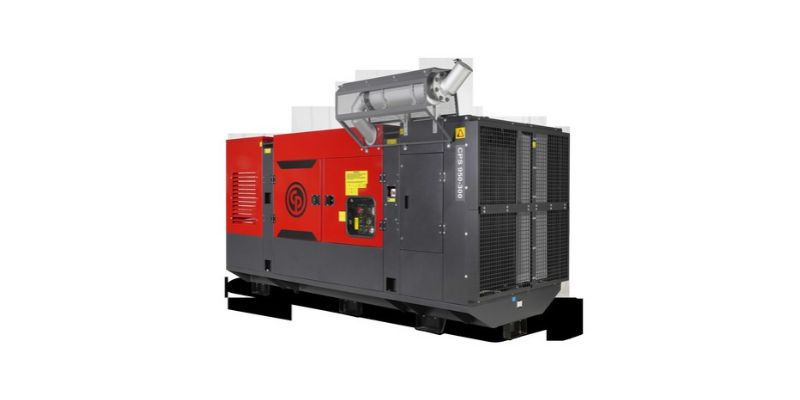
Chicago Pneumatic Launches CPS 950-300 Portable Air Compressor
Chicago Pneumatic India has launched the CPS 950-300 portable air compressor for waterwell, mining and solar foundation drilling applications, offering improved efficiency and operational versatilit..
Read moreSmart Manufacturing

Operational Optimisation: Turning Data into Smarter Decisions
As we put our efforts into optimising our operations, we now shift the discussion from operational flow to data-based operational decision-making. In this month’s column, Zurvan Marolia drives the..
Read moreRelated Products
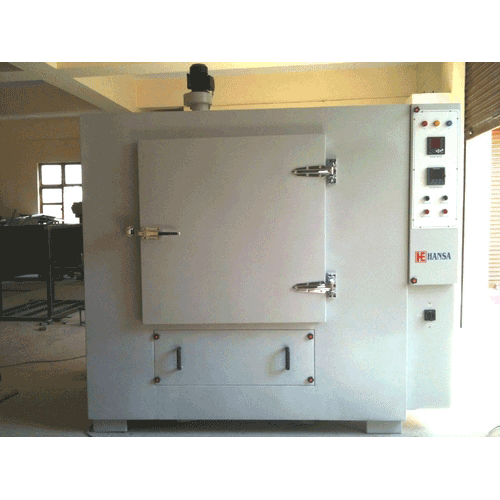
Heavy Industrial Ovens
INDUSTRIAL SUPPLIES
Hansa Enterprises offers a wide range of heavy industrial ovens.
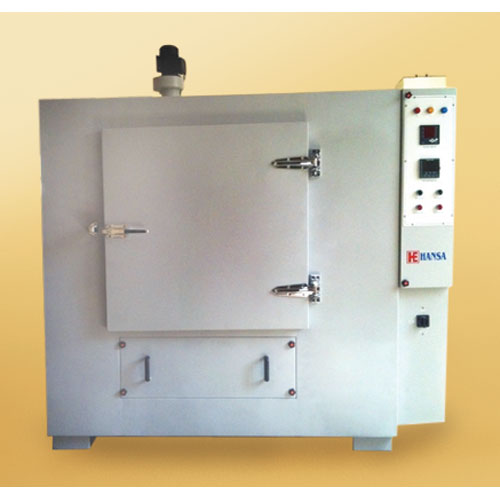
High Quality Industrial Ovens
INDUSTRIAL SUPPLIES
Hansa Enterprises offers a wide range of high quality industrial ovens. Read more
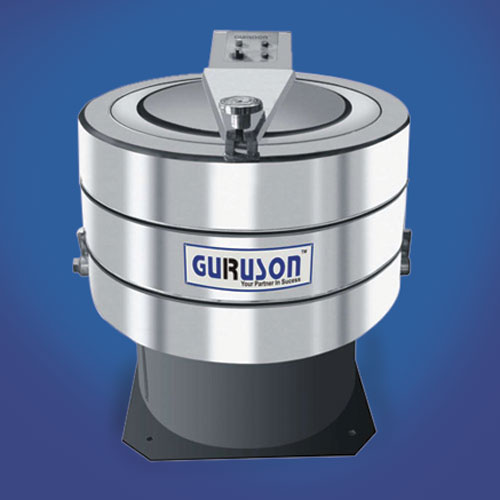
Hydro Extractor
INDUSTRIAL SUPPLIES
Guruson International offers a wide range of cone hydro extractor. Read more
latest News
Subscribe to iNoW

For Industry News on WhatsApp, Give a Miss Call on: +91 84228 74016